

Description
Product Overview
Tannase is a high-performance enzyme specifically designed for industrial applications that involve tannin hydrolysis. It effectively catalyzes the breakdown of tannins into simpler compounds, enhancing efficiency in processes such as beverage clarification, leather processing, and gallic acid production. Strategically, Tannase provides significant cost savings and process optimization, reducing chemical usage and improving product quality. Its robust activity and stability make it a preferred choice for large-scale industrial operations. By integrating Tannase, manufacturers gain a competitive edge in productivity, sustainability, and operational consistency.
Key Specifications & Technical Characteristics
- Chemical Composition: Pure tannin acyl hydrolase enzyme
- Activity Grade: Industrial-grade, optimized for high catalytic efficiency
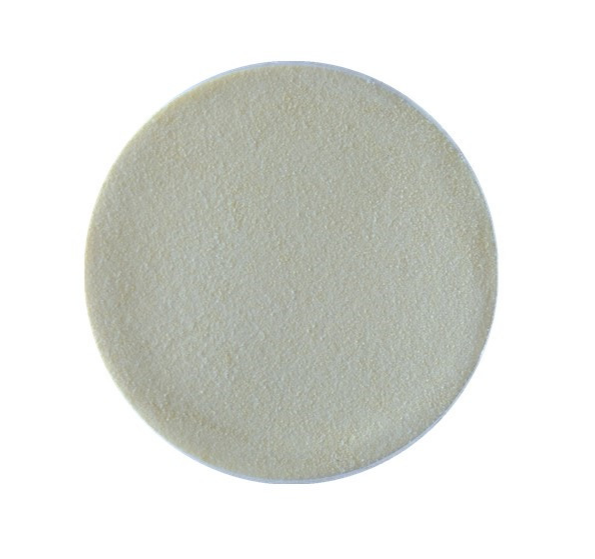
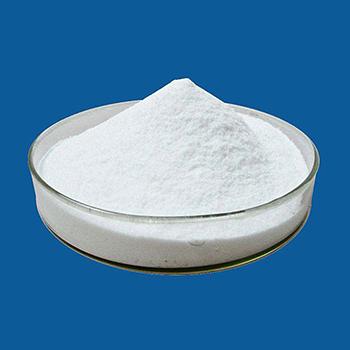
- Form: Powder or granular
- Color: Light brown to beige
- Particle Size: Fine granules for rapid dissolution
- Density: 0.5–0.7 g/cm³ (approx.)
- Packaging Options: 25 kg kraft paper bags with inner polyethylene lining; customizable bulk options available
- Shelf Life: 12–18 months under recommended storage conditions (cool, dry, airtight)
Core Industrial Applications
- Food & Beverage Industry: Clarification of wine, fruit juices, and other tannin-rich beverages to improve taste and clarity.
- Leather Industry: Reduces tannin content in hides, enhancing flexibility and quality of leather products.
- Pharmaceutical & Chemical Industry: Catalyzes the production of gallic acid, a key intermediate for antioxidants and drug synthesis.
- Performance Advantages: High enzyme stability under variable pH and temperature conditions ensures consistent conversion rates, outperforming traditional chemical treatments. Its precise action minimizes waste, reduces processing time, and enhances overall operational efficiency.
Competitive Advantages
- Quality Consistency: Batch-to-batch uniformity ensures predictable industrial performance.
- Supply Reliability: Secured production capacity with dependable delivery schedules for bulk orders.
- Logistics Capability: Optimized for global shipping, including sea and land transport.
- Price Competitiveness: Cost-efficient solution for large-scale operations without compromising quality.
- Sustainability: Reduces chemical usage and environmental footprint in industrial processing.
- Technical Support: Comprehensive documentation, handling instructions, and application guidance available for industrial buyers.
Commercial & Supply Information
- Minimum Order Quantity (MOQ): BULK 20 MT
- Loading Capacity: Approx. 20 MT per 20-foot container



Reviews
There are no reviews yet.