


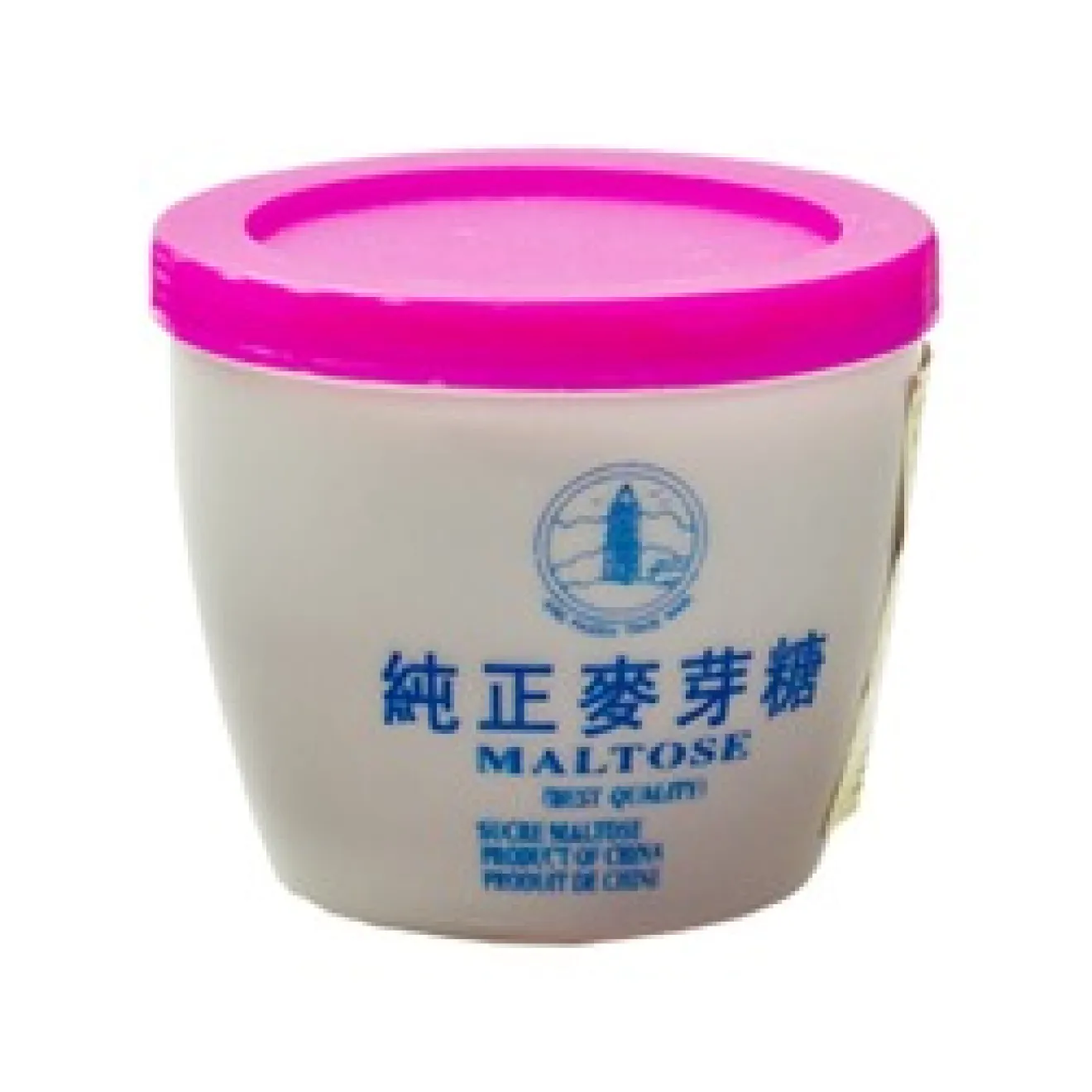
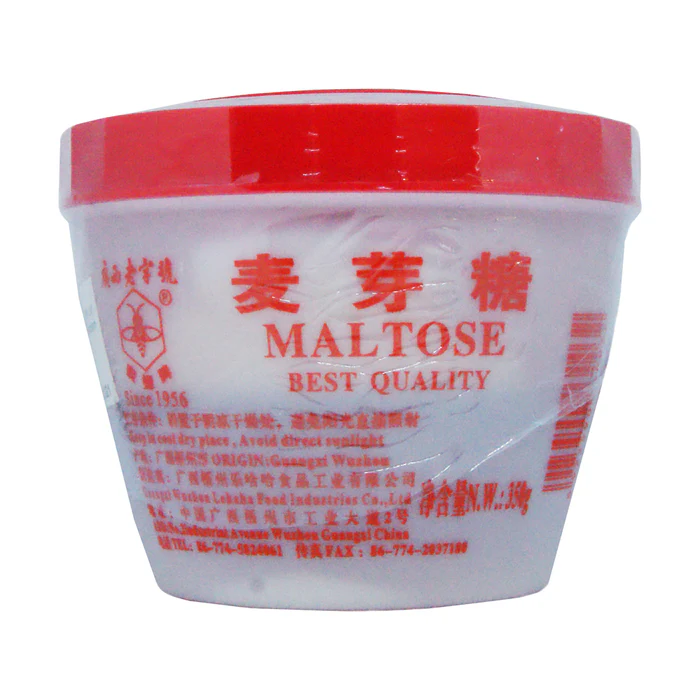

Description
1. Product Overview
Maltose is a naturally occurring disaccharide widely used as an industrial sweetener and energy source in food processing, fermentation, and pharmaceutical applications. Its high purity and predictable chemical profile make it a reliable ingredient for consistent product quality. Strategically, maltose is essential for industries seeking cost-efficient, stable, and versatile carbohydrate solutions. With its superior solubility and controlled sweetness, it enhances process efficiency and product performance in large-scale operations.
2. Key Specifications & Technical Characteristics
- Chemical Composition: C₁₂H₂₂O₁₁ (disaccharide of glucose)
- Purity Level / Grade: Industrial-grade ≥ 98%
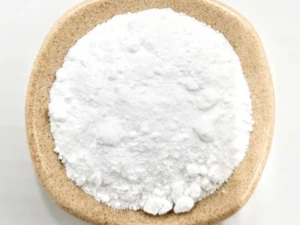
- Physical Form: White crystalline powder
- Particle Size: 40–60 mesh typical
- Density: Approx. 1.54 g/cm³
- Solubility: Highly soluble in water
- Moisture Content: ≤ 0.5%
- Packaging Options: 25 kg kraft bags, jumbo bags, or bulk containers
- Shelf Life: 24 months under dry, cool storage conditions
3. Core Industrial Applications
- Food & Beverage Industry: Used in baking, confectionery, brewing, and syrup production to control sweetness, texture, and fermentation rates.
- Fermentation & Biotechnology: Serves as a high-quality carbon source for microbial and enzymatic processes.
- Pharmaceutical Industry: Utilized as a stabilizer, excipient, or energy substrate in formulations.
- Advantages over Alternatives: Superior solubility, predictable sweetness, and minimal impurities ensure operational efficiency and product consistency.
4. Competitive Advantages
- Quality Consistency: Batch-to-batch uniformity ensures predictable process outcomes.
- Supply Reliability: Robust production and global distribution networks minimize supply disruption.
- Logistics Capability: Optimized for bulk transport and containerized shipping.
- Price Competitiveness: Economical sourcing without compromising quality.
- Sustainability: Manufactured under environmentally responsible processes.
- Technical Support: Full documentation, certificates of analysis (CoA), and application guidance available for industrial clients.
5. Commercial & Supply Information
- Minimum Order Quantity (MOQ): Bulk 20 MT
- Loading Capacity per Container: 20–22 MT per 20’ container



Reviews
There are no reviews yet.