
Description
1. Product Overview
Dulbecco’s Modified Eagle Medium (DMEM) with High Glucose (4.5 g/L) is a basal salt solution optimized for the in-vitro cultivation of a broad spectrum of mammalian cell lines, including adherent and suspension cells. This product is the industry-standard formulation for high-yield biomanufacturing, specifically engineered to support rapid cell proliferation, protein expression, and viral vaccine production. Its strategic market importance lies in enabling scalable, reproducible cell growth from R&D through to commercial bioprocessing, directly reducing batch failure risk and improving downstream yield per liter.
2. Key Specifications & Technical Characteristics
-
Chemical Composition: DMEM formulation containing 4.5 g/L D-Glucose, L-Glutamine (or stable GlutaMAX™ alternative), Phenol Red pH indicator, sodium pyruvate, and Earle’s salts; without HEPES (standard grade).
-
Purity Level: Sterile-filtered (0.1 µm), endotoxin ≤ 0.5 EU/mL, USP <85> bacterial endotoxins compliant; mycoplasma-negative.
-
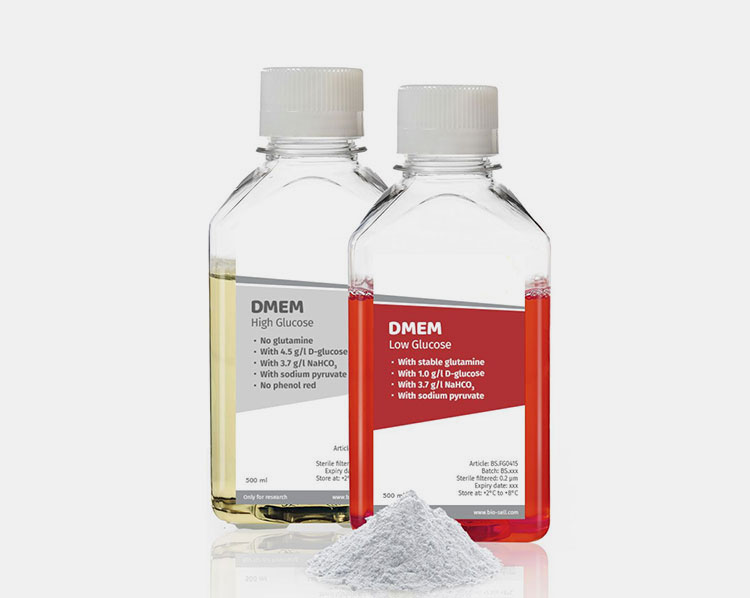
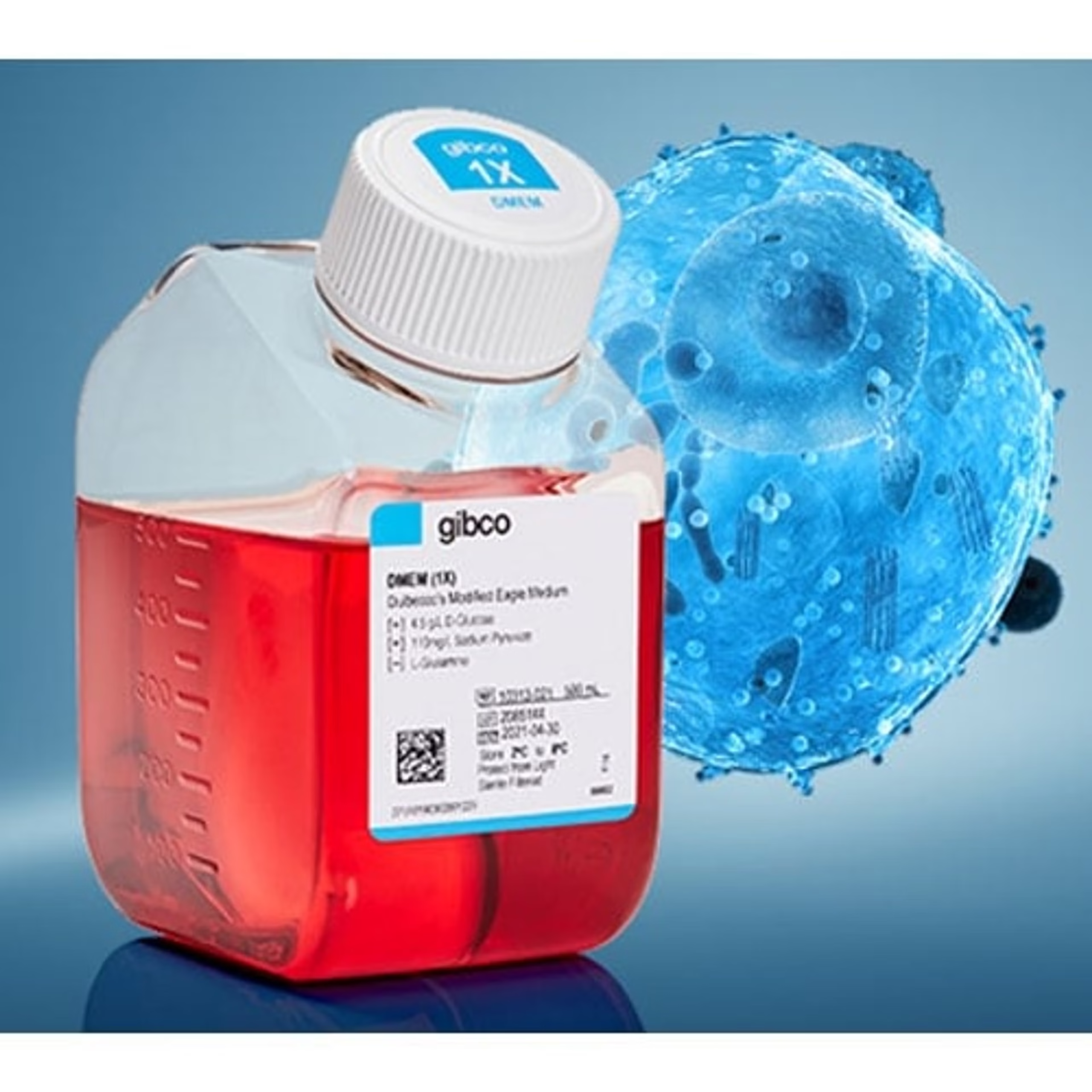
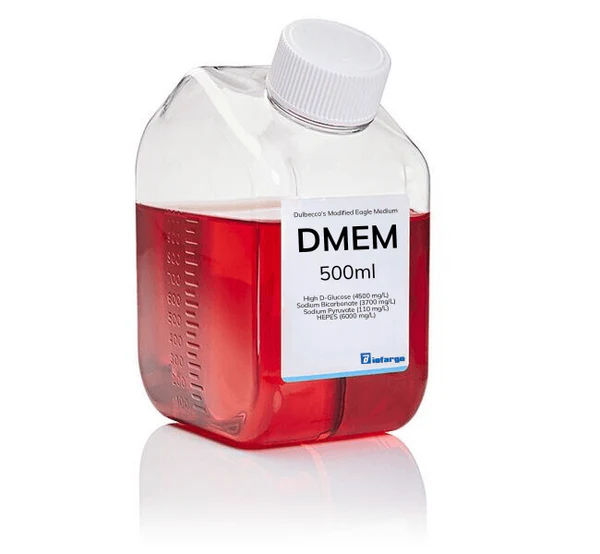
Physical Characteristics: Clear, pink to red liquid (pH 7.0–7.4 at 25°C); or off-white to light-yellow lyophilized powder.
-
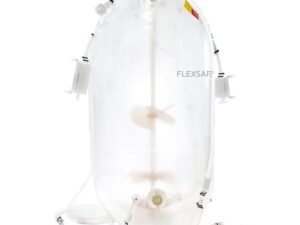
Packaging Options: Liquid: 500 mL, 1 L, 6 L, 10 L biocontainers. Powder: 1 kg, 5 kg, 10 kg multi-layered foil bags with desiccant.
-
Shelf Life: Liquid: 12 months at 2–8°C protected from light. Powder: 36 months at 15–30°C.
3. Core Industrial Applications
-
Primary Industries: Biopharmaceuticals (mAbs), vaccine manufacturing (Vero, HEK-293, MDCK cells), gene therapy (CHO, BHK-21), and academic/industrial R&D.
-
Operational Use Cases: Fed-batch and perfusion culture for monoclonal antibody production; viral vector amplification for AAV/LV; and high-density cell expansion for cell therapy intermediates.
-
Performance Advantage: High glucose concentration sustains longer logarithmic growth phases without toxic metabolite accumulation vs. low-glucose media. Superior buffering capacity under 5–10% CO₂ reduces pH drift compared to generic MEM or RPMI, increasing viable cell density by 20–35% in stirred-tank bioreactors.
-
Cost Efficiency: Reduced media change frequency (48–72 hours vs. 24 hours for standard DMEM) lowers labor and incubator operating costs by an estimated 18% per batch.
4. Competitive Advantages
-
Quality Consistency: Lot-to-lot variance <2% (by HPLC and osmolality); manufactured under cGMP (21 CFR Part 211) and ISO 13485 certified facilities.
-
Supply Reliability: Dual-source raw material strategy with 12-month rolling forecast capacity; safety stock held in regional hubs (NA, EU, APAC).
-
Logistics Capability: Ambient temperature powder logistics; liquid media shipped validated 2–8°C cold chain with real-time temperature loggers.
-
Price Competitiveness: Tier-1 quality at 15–20% below incumbent premium brands for bulk industrial commitments (≥1,000 L/yr equivalent).
-
Sustainability: 30% PCR-content packaging for dry media; liquid media offered in returnable, sterilizable stainless steel totes (100 L–1,000 L) reducing single-use plastic by 70%.
-
Technical Support: Full batch certificate of analysis (CoA), safety data sheet (SDS), and formulation map included. Dedicated bioprocess application engineers available for scale-up troubleshooting.
5. Commercial & Supply Information
-
Minimum Order Quantity (MOQ): BULK 20MT (equivalent to 20 metric tons of powder or 20,000 liters of liquid media). Smaller quantities available upon qualification for initial test batches.
-
Loading Capacity (MT per container): Dry powder: 20 MT per 20-ft dry container (palletized, 10 kg bags). Liquid DMEM (1 L bottles): 18 MT per 40-ft refrigerated container (2–8°C). Liquid in 1,000 L IBC totes: 20 MT per flatbed or bulk liquid ISO tank container.
Reviews
There are no reviews yet.