
Description
1. Product Overview
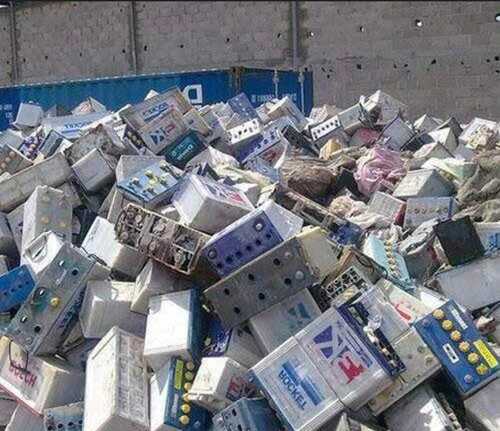
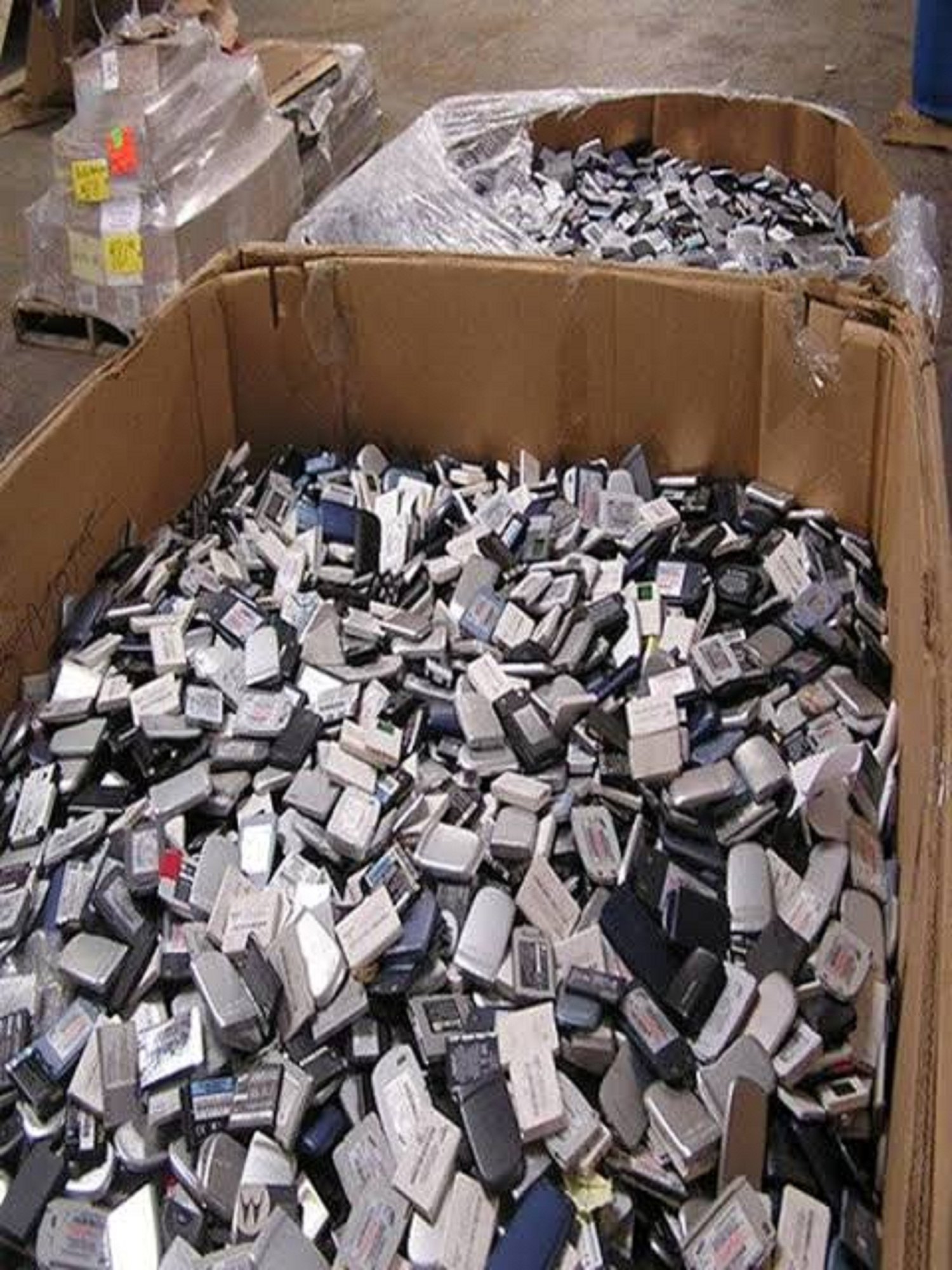
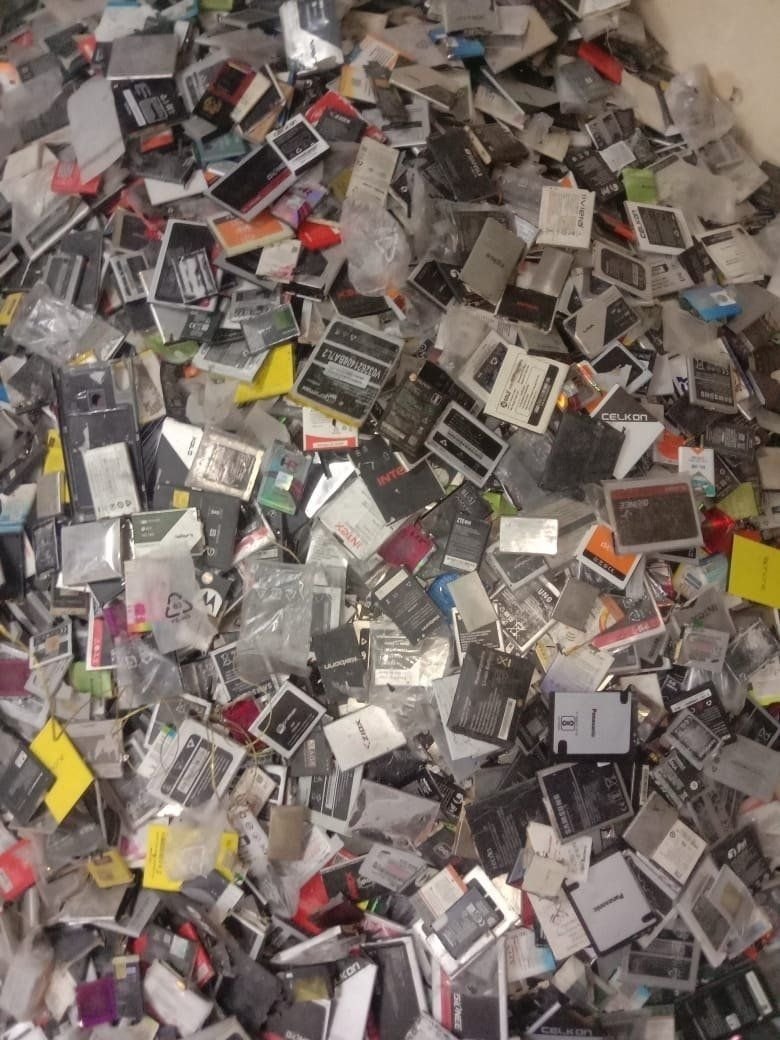
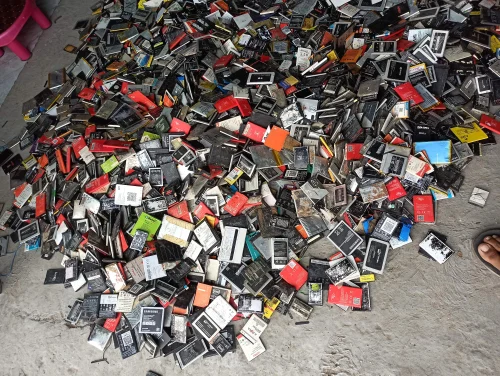
Lithium-Ion Battery Scrap consists of recovered and end-of-life lithium-ion battery materials generated from manufacturing rejects, production offcuts, and decommissioned battery packs. This material contains valuable critical metals such as lithium, cobalt, nickel, copper, and aluminum, making it a high-demand feedstock for advanced recycling and resource recovery operations. It is widely utilized by specialized battery recyclers, hydrometallurgical processors, and metal recovery facilities to extract strategic materials for reuse in new battery production and other industrial applications. As global demand for electric vehicles, energy storage systems, and portable electronics continues to surge, lithium-ion battery scrap has become a strategically important secondary resource in the circular battery economy.
2. Key Specifications & Technical Characteristics
- Material Composition: Lithium-ion battery components including cathode materials (LiCoO₂, NMC, NCA, LFP depending on source), graphite, copper foil, aluminum foil, electrolyte residues, and separator fragments
- Metal Content (Typical Range):
- Lithium (Li): 2–7%
- Cobalt (Co): 5–20% (depending on chemistry)
- Nickel (Ni): 5–15%
- Copper (Cu): 10–25%
- Aluminum (Al): 5–20%
- Purity / Grade: Industrial recycling-grade battery scrap; composition varies by battery chemistry and source stream
- Physical Form: Shredded battery materials, electrode sheets, cell fragments, or mixed battery scrap
- Color / Appearance: Mixed metallic and dark powder fragments (black mass may be present)
- Particle Size: Typically 5 mm – 100 mm depending on processing stage
- Density: Approximately 0.8 – 1.8 g/cm³ (varies with composition)
- Packaging Options:
- Jumbo bags (1 MT)
- Steel drums
- Bulk palletized containers
- Shelf Life: Stable under dry, controlled storage conditions; recommended protected storage to prevent moisture exposure
3. Core Industrial Applications
Battery Recycling & Material Recovery
Lithium-ion battery scrap serves as a critical input material for recycling facilities that recover lithium, cobalt, nickel, and manganese through hydrometallurgical or pyrometallurgical processes. These recovered metals are reintroduced into battery-grade supply chains.
Electric Vehicle (EV) Battery Supply Chain
Recycled materials extracted from this scrap are used to produce new cathode materials and battery-grade metal salts required by EV battery manufacturers.
Metallurgical Processing
Metal refiners process lithium-ion battery scrap to recover copper, aluminum, and other base metals for reuse in industrial manufacturing.
Energy Storage and Electronics Manufacturing Supply Loop
Recovered materials support the production of next-generation batteries for consumer electronics, grid storage systems, and renewable energy infrastructure.
Performance & Cost Advantages
Compared to primary mining sources, lithium-ion battery scrap offers a more cost-efficient and environmentally sustainable pathway to access critical battery metals while reducing dependency on virgin mineral extraction.
4. Competitive Advantages
- Consistent Quality Streams: Carefully sourced scrap from manufacturing and industrial battery streams ensures reliable metal content profiles
- Stable Supply Availability: Ongoing sourcing from production facilities and end-of-life battery channels ensures steady material flow
- Global Logistics Capability: Bulk export-ready packaging and containerized shipping for international recycling and refining partners
- Price Competitiveness: Cost-effective feedstock compared with mined raw materials or refined battery metals
- Sustainability Contribution: Supports circular economy initiatives by enabling recovery of critical battery metals and reducing environmental impact of mining
- Technical Documentation: Material composition data and shipment documentation available to support recycling and compliance requirements
5. Commercial & Supply Information
- Minimum Order Quantity (MOQ): BULK 20 MT
- Loading Capacity: 20–25 MT per 40’ container depending on packaging and material density
Reviews
There are no reviews yet.