
Description
1. Product Overview
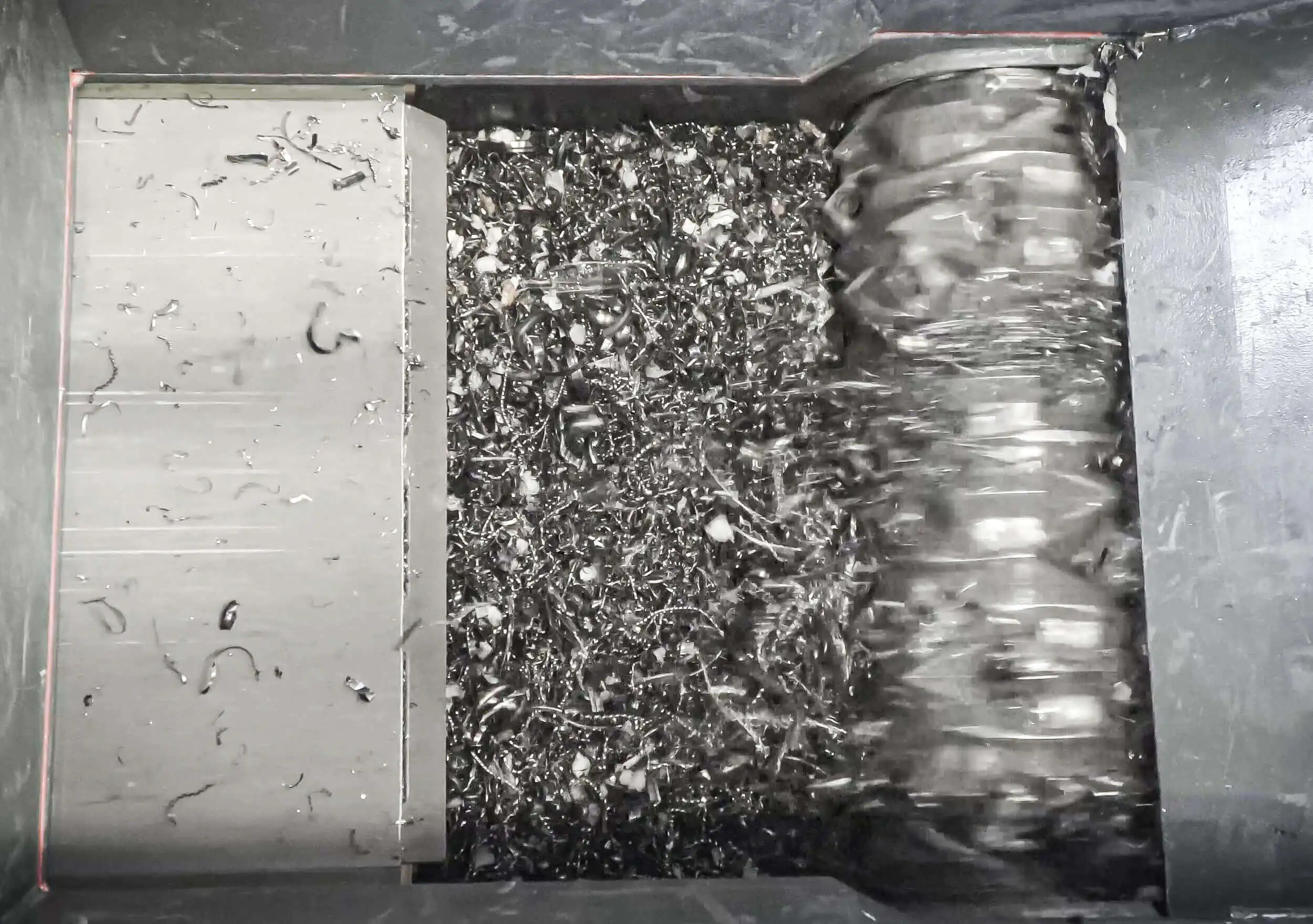
Metal Shredding Fines are fine particulate materials generated during the industrial shredding and processing of end-of-life metal products, including automobiles, appliances, and mixed scrap. This material contains valuable recoverable metal content along with mineral fractions, making it a strategic secondary resource for metal recovery, smelting operations, and industrial material processing. Metal shredding fines provide a cost-effective feedstock for metallurgical recovery while supporting circular economy initiatives in the global metals industry. As demand for recycled raw materials continues to rise, these fines play an increasingly important role in maximizing resource efficiency and reducing waste in large-scale metal recycling operations.
2. Key Specifications & Technical Characteristics
- Material Composition: Mixed ferrous and non-ferrous metal particles with residual mineral fractions, plastics, rubber, and oxides depending on shredding process
- Metal Content: Typically contains recoverable iron, aluminum, copper, zinc, and trace metals
- Purity Level / Grade: Variable depending on source stream and downstream separation processing
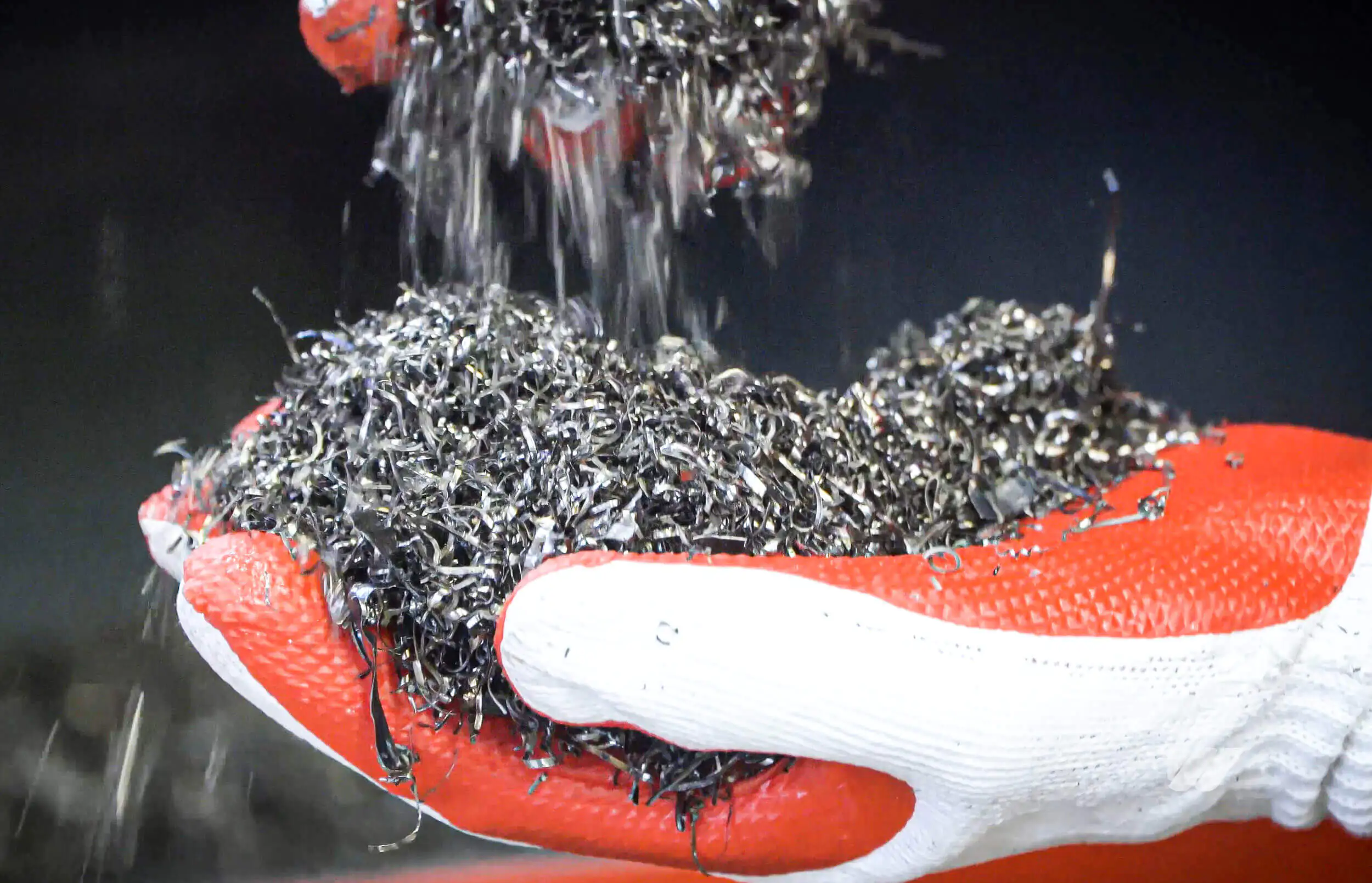
- Physical Form: Fine granular to powder-like particulate material
- Color: Dark grey to black with mixed metallic fragments
- Particle Size Distribution: Generally <10 mm; often ranging from dust-sized particles to small granules
- Bulk Density: Approximately 1.2–2.5 g/cm³ depending on composition
- Moisture Content: Typically low; may vary depending on storage conditions
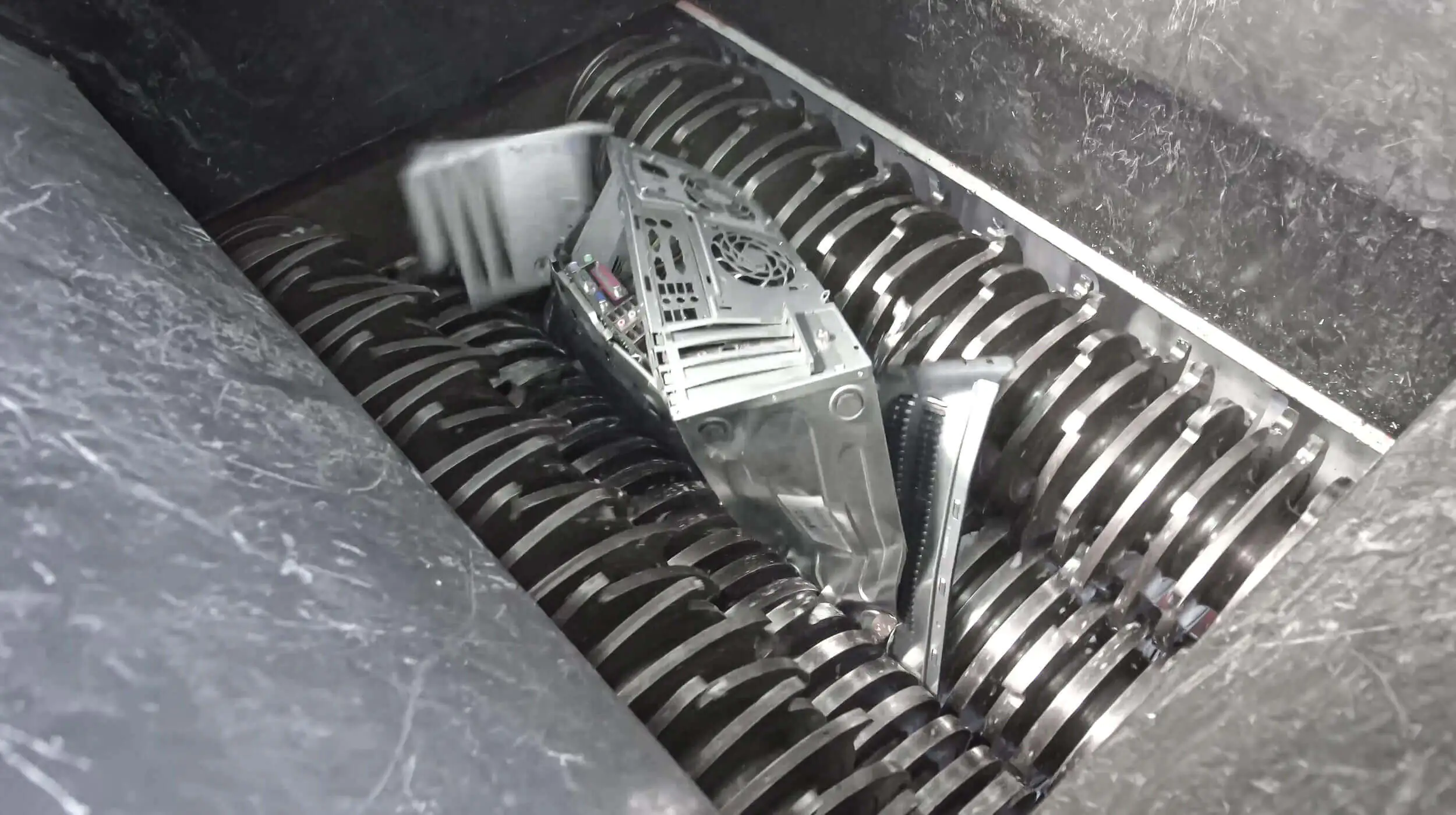
- Processing: Generated through industrial metal shredding, magnetic separation, and screening operations
- Packaging Options: Bulk loose loading, jumbo bags (1 MT), or bulk container shipment
- Shelf Life: Indefinite when stored in dry, covered conditions
3. Core Industrial Applications
Metal Shredding Fines are widely used in industries focused on resource recovery and metallurgical processing.
- Metal Recycling & Smelting: Utilized as feedstock for secondary metal recovery processes, allowing smelters to extract residual iron, aluminum, copper, and other valuable metals.
- Steel & Metallurgical Processing: Certain fractions are incorporated into sinter feed or blended with scrap materials to enhance metal recovery during high-temperature processing.
- Cement & Industrial Kilns: Mineral fractions can be used as alternative raw material inputs or as supplementary kiln feed in cement production.
- Industrial Resource Recovery: Specialized recovery plants process shredding fines to extract additional non-ferrous metals through advanced separation technologies.
Compared to untreated waste streams, metal shredding fines offer concentrated metal content and manageable particle sizes, improving processing efficiency and enabling higher recovery rates in metallurgical operations.
4. Competitive Advantages
- Resource Value: Contains recoverable ferrous and non-ferrous metals that can be economically extracted through established metallurgical processes
- Consistent Supply Streams: Generated continuously from large-scale metal shredding facilities and recycling operations
- Flexible Logistics: Suitable for bulk shipment and containerized transport to recycling and smelting facilities worldwide
- Cost-Effective Feedstock: Provides a lower-cost alternative to primary ore sources and certain scrap grades
- Environmental Benefits: Supports circular economy practices by maximizing recovery from end-of-life metal products and reducing landfill waste
- Technical Documentation: Material composition information and sampling data available to support procurement evaluation and processing compatibility
5. Commercial & Supply Information
- Minimum Order Quantity (MOQ): BULK 20 MT
- Loading Capacity: 20–25 MT per 20-ft container depending on moisture and packaging format
Reviews
There are no reviews yet.