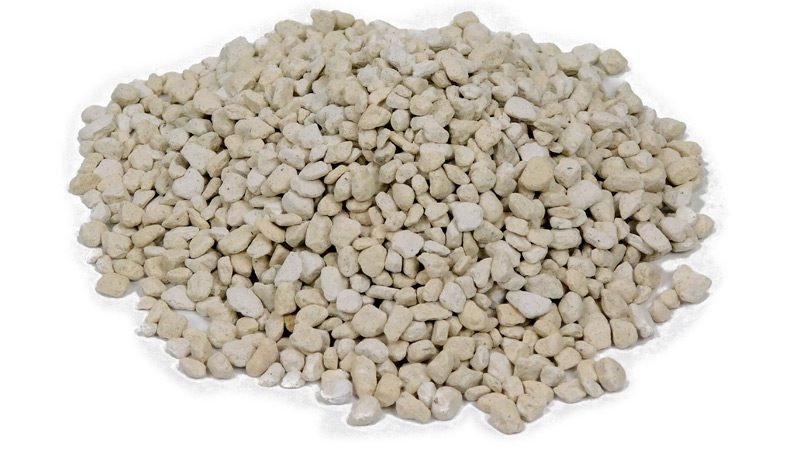
Potash

£318.75

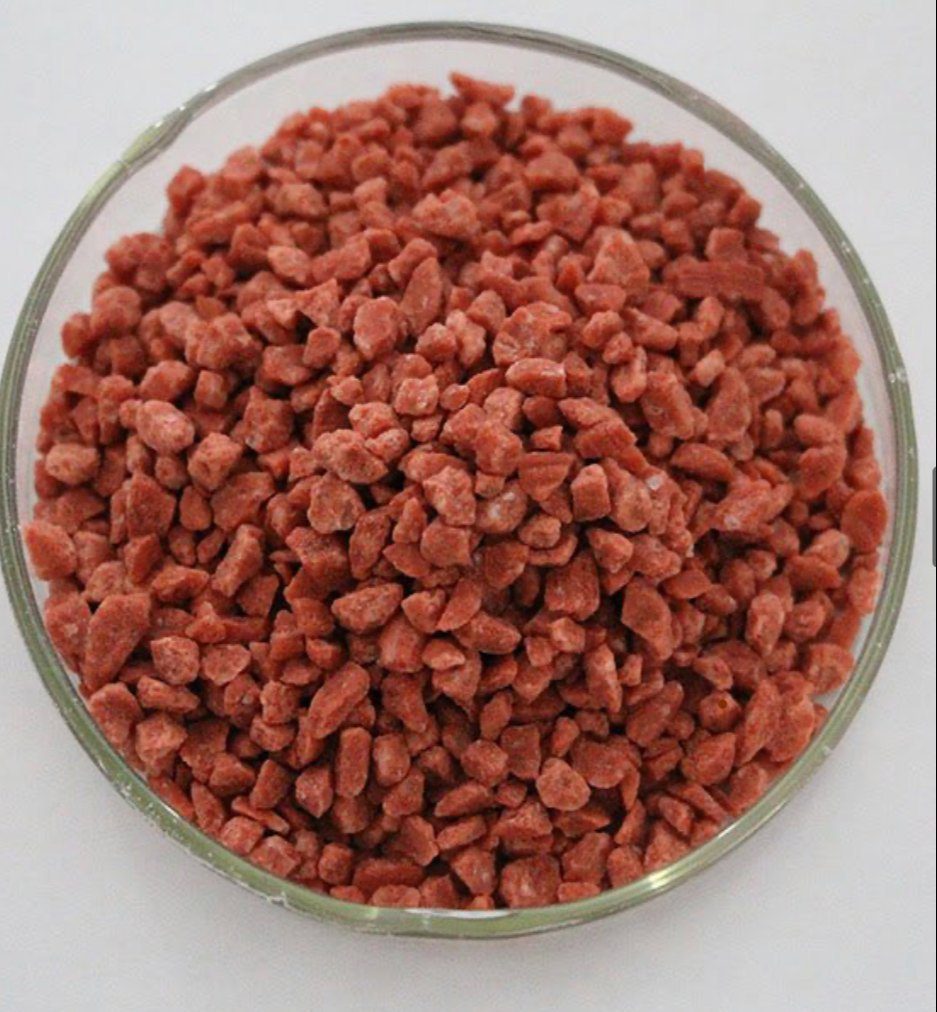
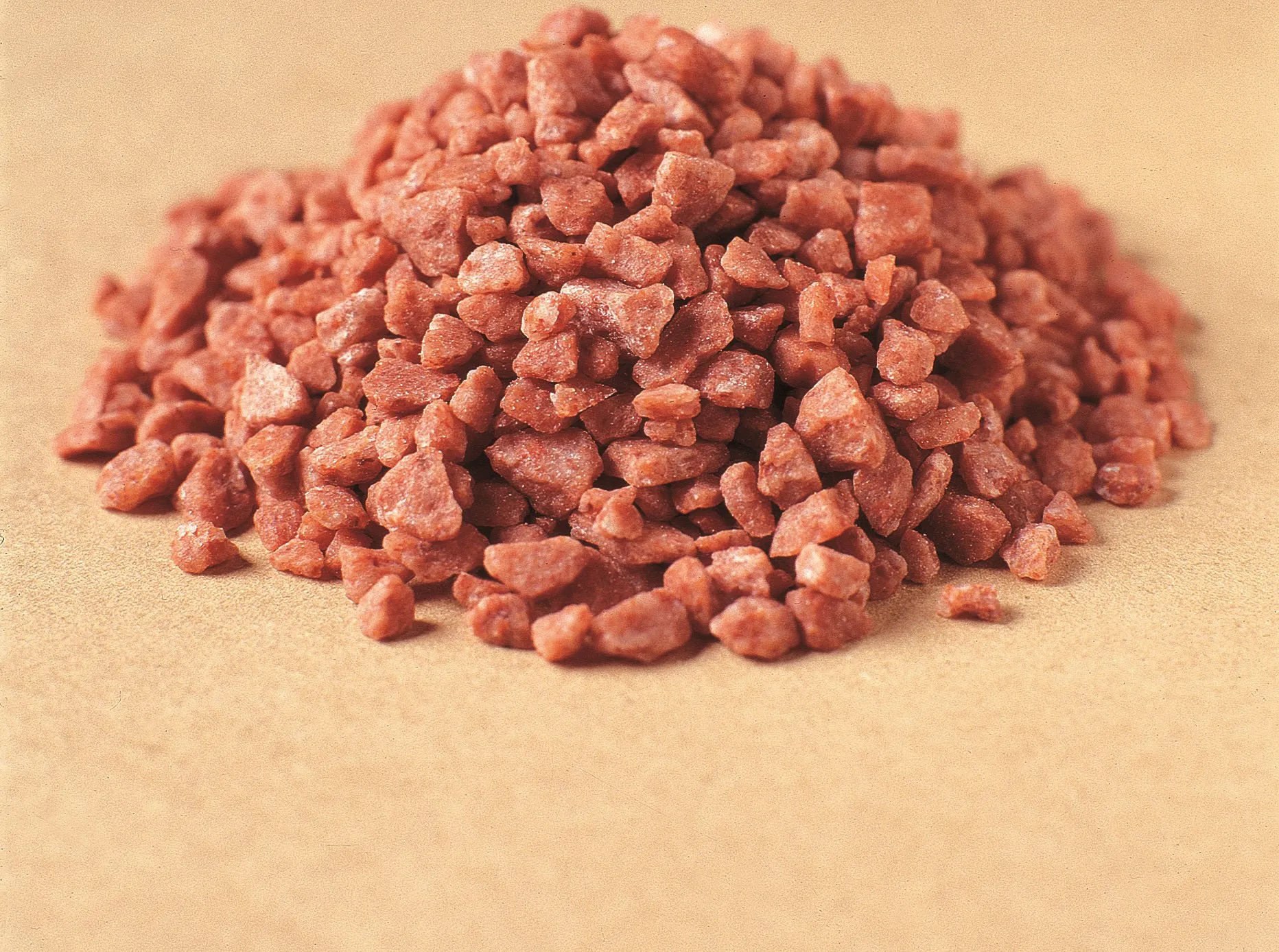
Potash, a vital component in the production of fertilizers, has been a crucial element in the development of modern agriculture. Derived from the ash of plants, this potassium-rich mineral has been used for centuries to enhance soil fertility and promote healthy plant growth. In the 19th century, the discovery of large potash deposits in Germany and France led to a significant increase in its production, making it more widely available to farmers. Today, potash is an essential nutrient for many crops, including corn, soybeans, and wheat, and its global demand continues to rise as the world’s population grows and food security becomes an increasing concern.

Description

Potash: Essential Nutrient and Vital Component of Global Agriculture

Potash, a term derived from the historical method of extracting potassium from wood ashes in pots, is a vital nutrient for plant growth and a cornerstone of modern agriculture. More accurately referred to as potassium chloride (KCl), potash is essential for healthy plant development, increased crop yields, and maintaining global food security.

Why is Potash Important?

Potassium is one of the three primary macronutrients – nitrogen, phosphorus, and potassium (NPK) – required by all plants. Unlike nitrogen and phosphorus which contribute to the plant’s structure, potassium plays a crucial role in numerous physiological processes within the plant. These include:

  • Water Regulation: Potassium influences the osmotic regulation within plant cells, helping them manage their water content and tolerate drought conditions.
  • Nutrient Uptake: It aids in the efficient absorption and transport of other vital nutrients like nitrogen and phosphorus throughout the plant.
  • Enzyme Activation: Potassium acts as a catalyst, activating enzymes involved in photosynthesis, carbohydrate metabolism, and other essential biochemical processes.
  • Protein Synthesis: It plays a role in the production of proteins, the building blocks of plant tissue.
  • Disease Resistance: Plants with adequate potassium levels are better equipped to resist diseases and pests.
  • Improved Crop Quality: Potassium contributes to improved crop quality, impacting factors like fruit size, color, and sugar content.

Without sufficient potassium, plants exhibit stunted growth, reduced yields, and increased susceptibility to stress. This translates directly into lower agricultural productivity and potential food shortages.

Sources and Production of Potash:

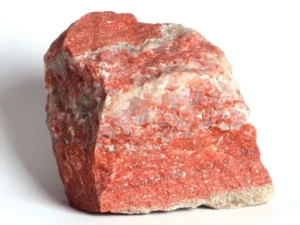
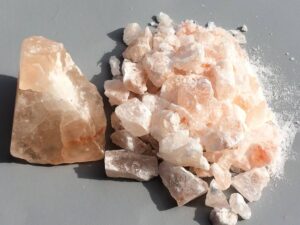
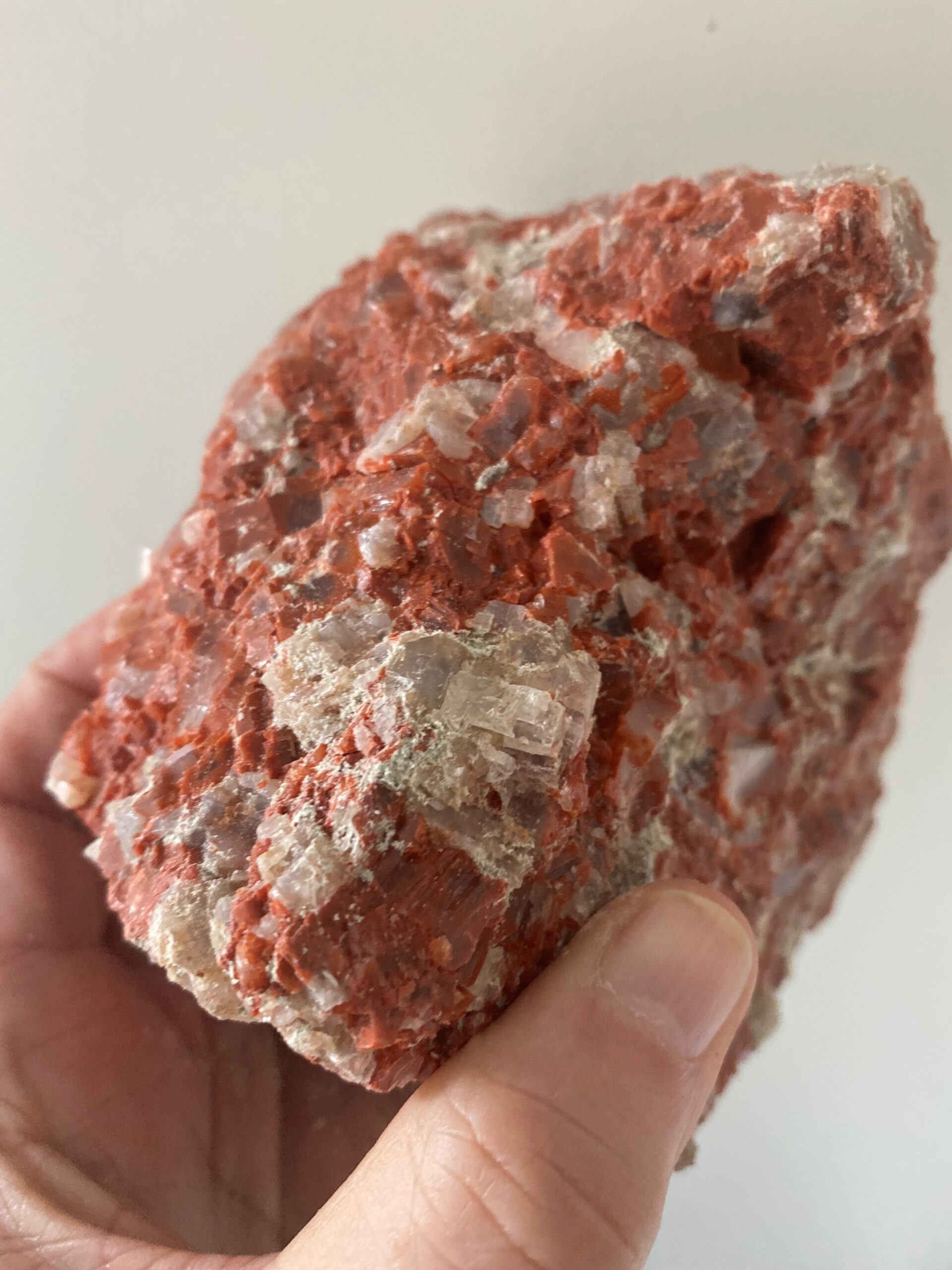
The majority of potash is mined from underground deposits of potassium-rich salts, primarily sylvite (KCl) and carnallite (KCl·MgCl₂·6H₂O). These deposits were formed millions of years ago by the evaporation of ancient seas and lakes.

Extraction methods vary depending on the depth and geology of the deposit. Common methods include:

  • Conventional Mining: Shafts are sunk into the earth, and the ore is mined using traditional techniques.
  • Solution Mining: Water is injected into the deposit to dissolve the potassium salts, and the resulting brine is pumped to the surface for processing.
  • Evaporation: In some regions with high evaporation rates, potash can be extracted from surface brines through solar evaporation.

After extraction, the raw ore undergoes processing to remove impurities and concentrate the potassium chloride. This typically involves crushing, screening, flotation, and crystallization.

Applications and Uses:

The primary application of potash is as a fertilizer in agriculture. It is typically applied directly to the soil, either as a granular fertilizer or in solution form, to provide plants with the necessary potassium for healthy growth and optimal yields.

Beyond agriculture, potash has various industrial applications, including:

  • Manufacturing of Detergents and Soaps: Potassium hydroxide, derived from potash, is used in the production of liquid soaps and detergents.
  • Production of Glass and Ceramics: Potash is used as a flux to lower the melting point of silica in glass and ceramic manufacturing.
  • Water Softening: Potassium chloride can be used in water softeners as a substitute for sodium chloride.
  • Pharmaceuticals: Potassium compounds are used in various pharmaceutical applications.
  • Road De-icing: Potassium chloride can be used as a de-icing agent, although it is less commonly used than sodium chloride.

Global Potash Market:

The global potash market is dominated by a few major producers, primarily located in Canada, Russia, Belarus, and China. The demand for potash is driven by the growing global population, increasing demand for food, and the need to improve agricultural productivity.

Challenges and Sustainability:

The potash industry faces several challenges, including:

  • Resource Depletion: While potash reserves are abundant, they are finite. Sustainable mining practices and exploration for new deposits are crucial.
  • Environmental Impact: Potash mining can have environmental impacts, including water pollution, land degradation, and greenhouse gas emissions. Responsible mining practices and environmental regulations are essential to minimize these impacts.
  • Market Volatility: Potash prices can be volatile, influenced by factors such as global demand, supply disruptions, and geopolitical events.

Conclusion:

Potash is an indispensable nutrient for plant growth and a vital component of global agriculture. Its importance in maintaining food security and supporting a growing population cannot be overstated. As demand for food continues to rise, the responsible and sustainable production and use of potash will be crucial for ensuring a healthy and well-fed planet. The industry must focus on sustainable mining practices, efficient fertilizer use, and research into alternative potassium sources to ensure its long-term viability and contribution to global food security.

Additional information

Price

per metric ton

Reviews

There are no reviews yet.

Be the first to review “Potash”

Your email address will not be published. Required fields are marked *

Add to cart