

Description
1. Product Overview
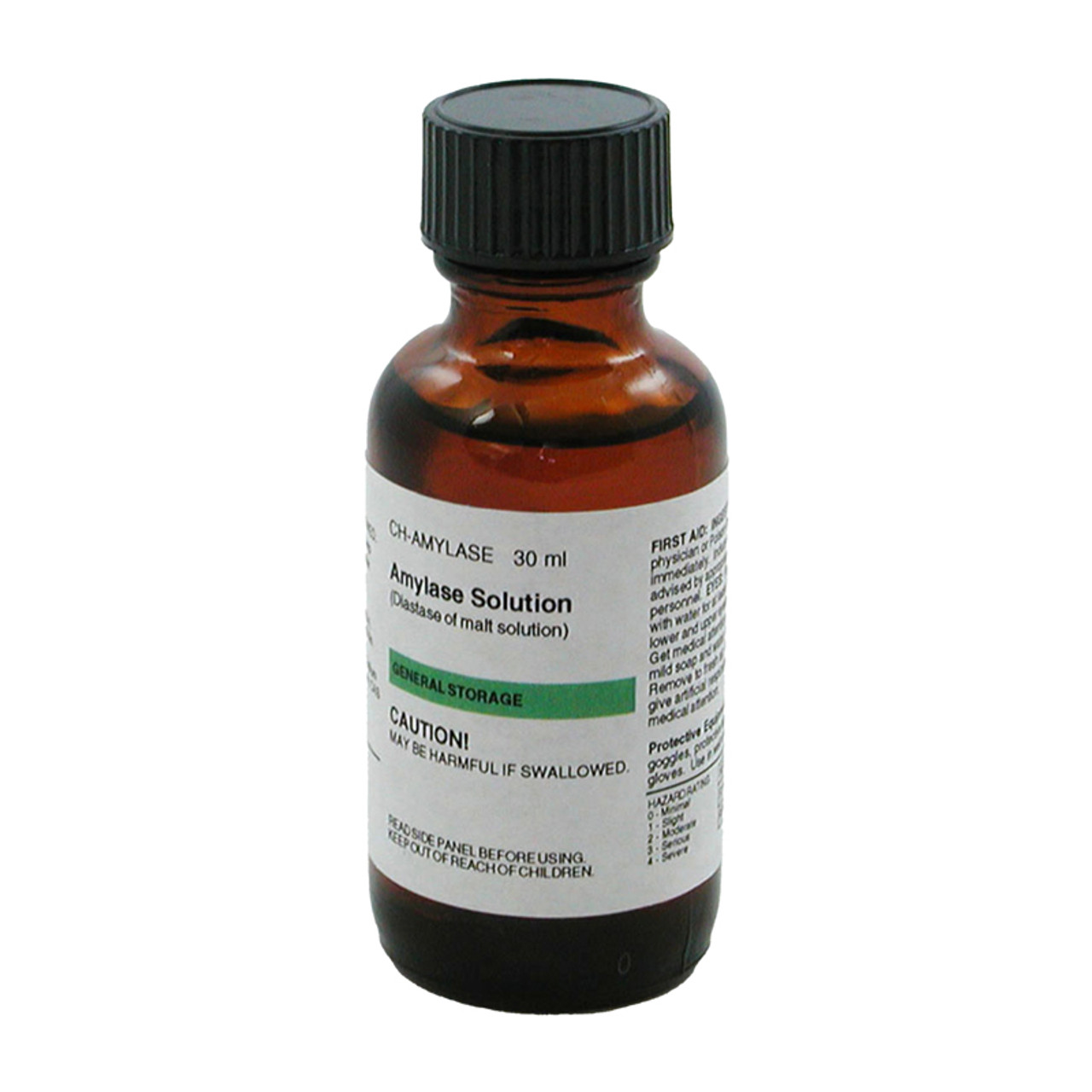
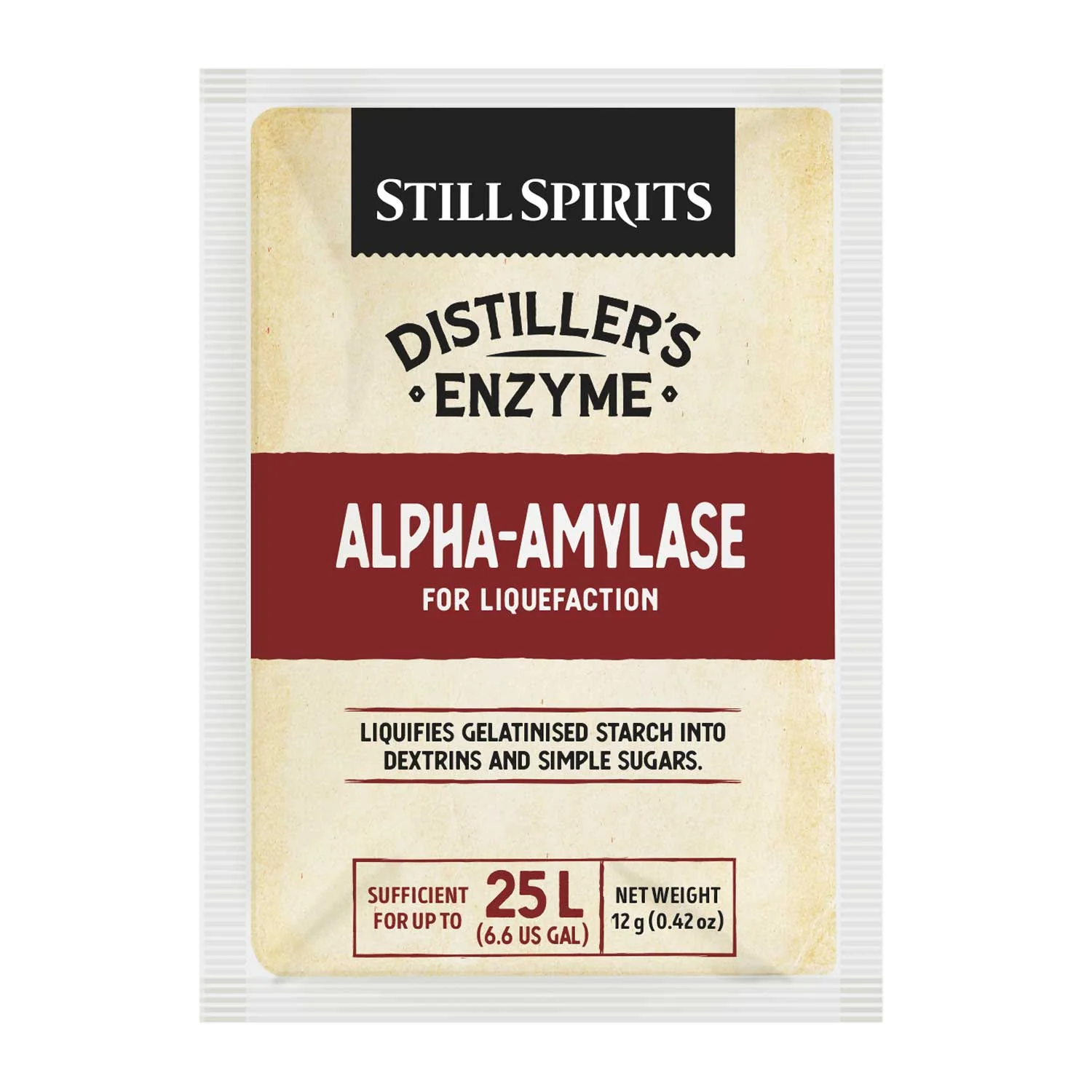
Amylase is a high-performance enzymatic catalyst specialized in the hydrolysis of starch into simpler sugars, offering precise and efficient biochemical conversion. It is widely utilized across industrial sectors including food processing, brewing, textiles, and biofuel production, where enzymatic efficiency directly impacts output quality and operational costs. This product delivers consistent activity under variable industrial conditions, ensuring optimal process yields and reduced energy consumption. Strategically, Amylase represents a critical input for companies aiming to enhance production efficiency, minimize waste, and maintain competitive advantage in starch-based operations. Its reliability and high activity make it an indispensable component for scalable, industrial-grade applications.
2. Key Specifications & Technical Characteristics
- Chemical Composition: Alpha-amylase enzyme derived from microbial fermentation
- Purity/Grade: Industrial-grade, ≥95% activity
- Form: Powder / Granular
- Color: Off-white to light yellow
- Particle Size: 50–200 μm
- Density: 0.45–0.55 g/cm³
- Packaging Options: 25 kg moisture-resistant bags, 500 kg jumbo bags
- Shelf Life: 12–18 months under recommended storage conditions (cool, dry, away from direct sunlight)
3. Core Industrial Applications
- Food & Beverage Industry: Starch conversion in brewing, baking, and sweetener production for consistent taste, texture, and sugar yield.
- Textile & Paper Processing: Desizing and starch removal to enhance fabric softness and paper quality.
- Biofuel Production: Efficient starch hydrolysis to fermentable sugars, improving ethanol yield and process efficiency.
- Detergent Industry: Incorporation in enzymatic formulations to enhance stain removal performance.
Why It Performs Better:
Amylase offers superior thermostability, broad pH tolerance, and high catalytic efficiency, outperforming traditional chemical hydrolysis methods in both yield and operational cost.
4. Competitive Advantages
- Quality Consistency: Industrial-grade production ensures batch-to-batch uniformity.
- Supply Reliability: Robust manufacturing and inventory guarantee uninterrupted supply.
- Logistics Capability: Optimized packaging for global shipping and bulk handling.
- Price Competitiveness: Cost-effective scale production with minimal operational overhead.
- Sustainability Benefits: Reduces chemical usage and energy consumption compared to traditional processes.
- Technical Support: Comprehensive documentation and application guidance available for industrial integration.
5. Commercial & Supply Information
- Minimum Order Quantity (MOQ): 20 MT
- Loading Capacity: 20 MT per standard 20’ container




Reviews
There are no reviews yet.