
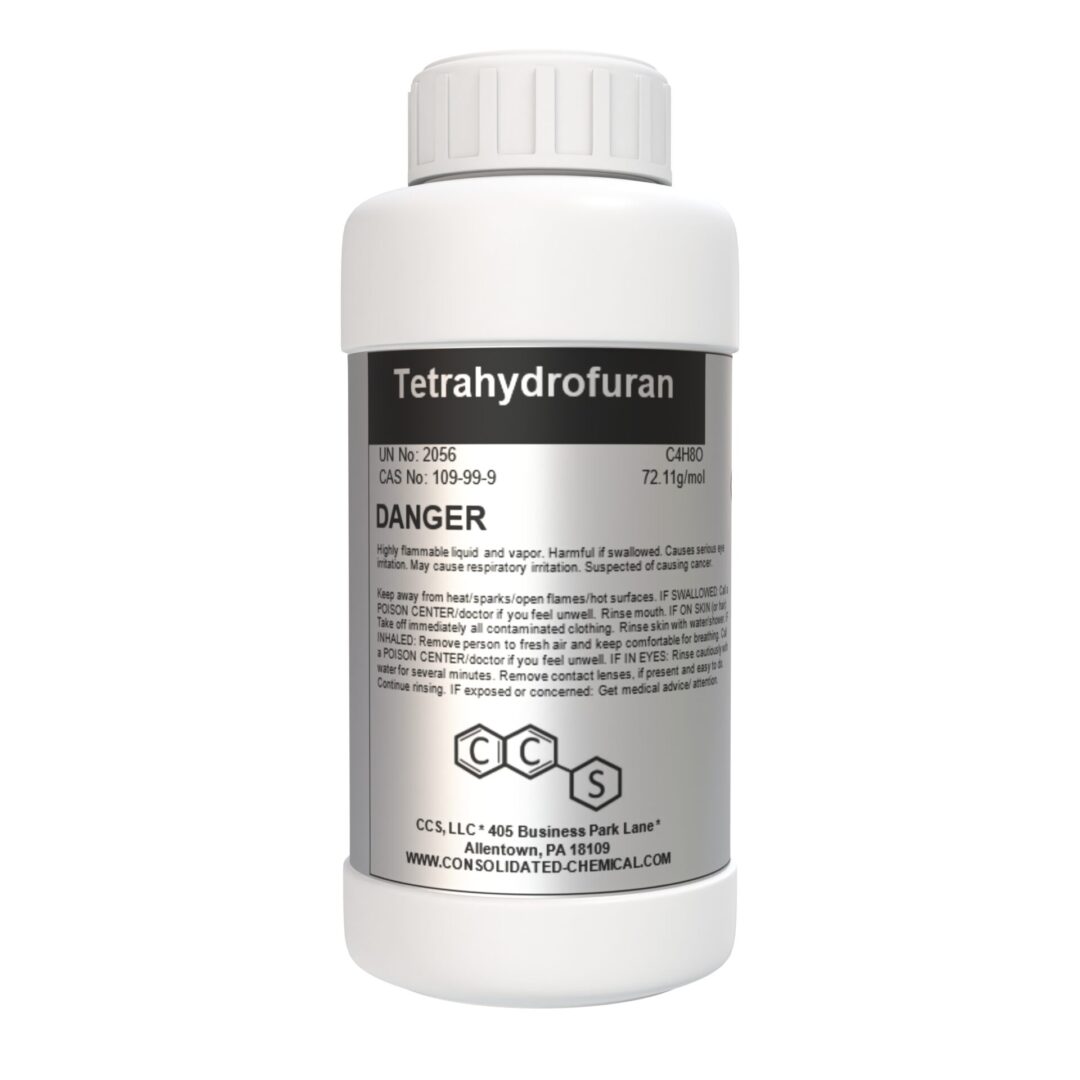


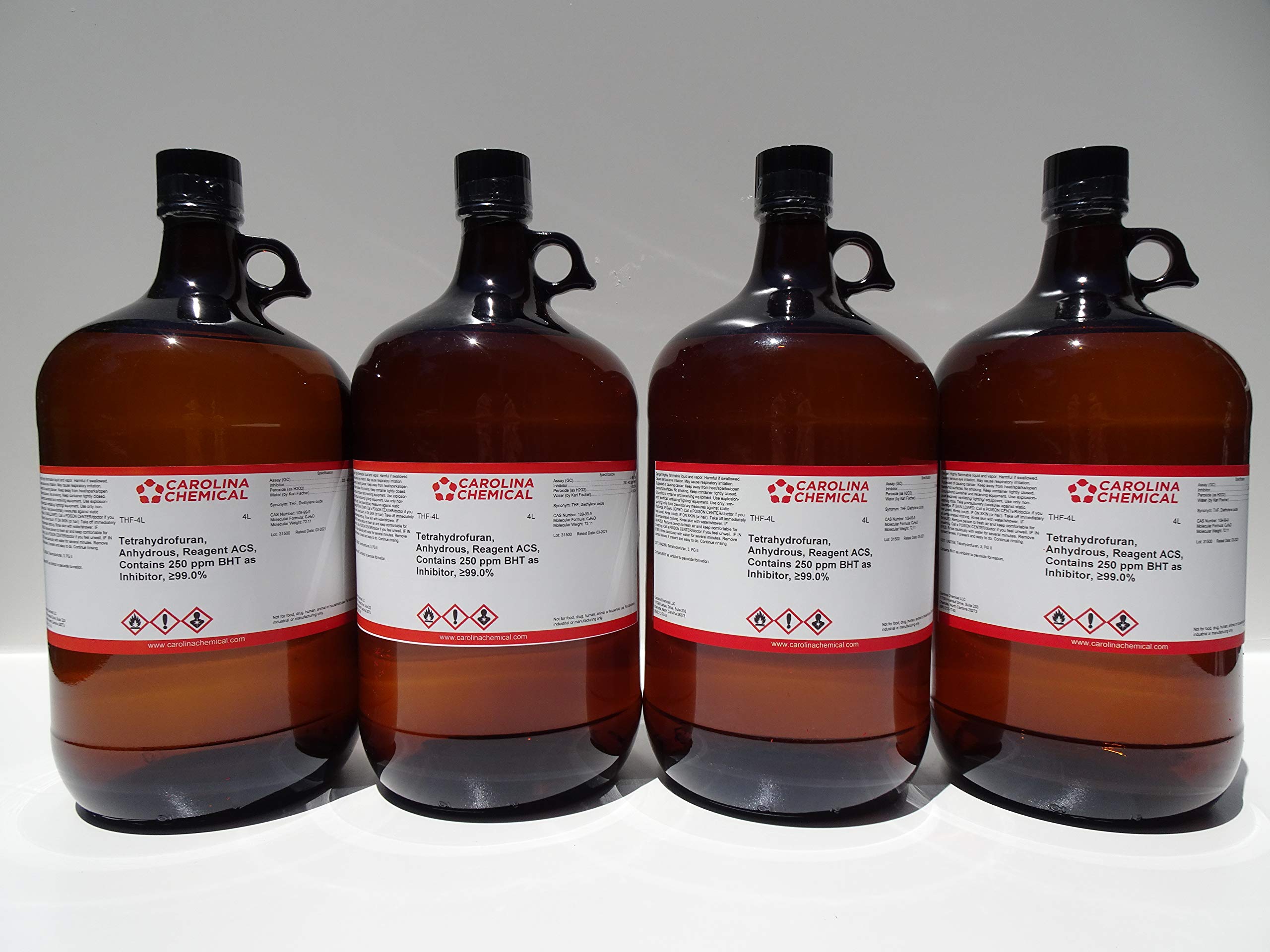



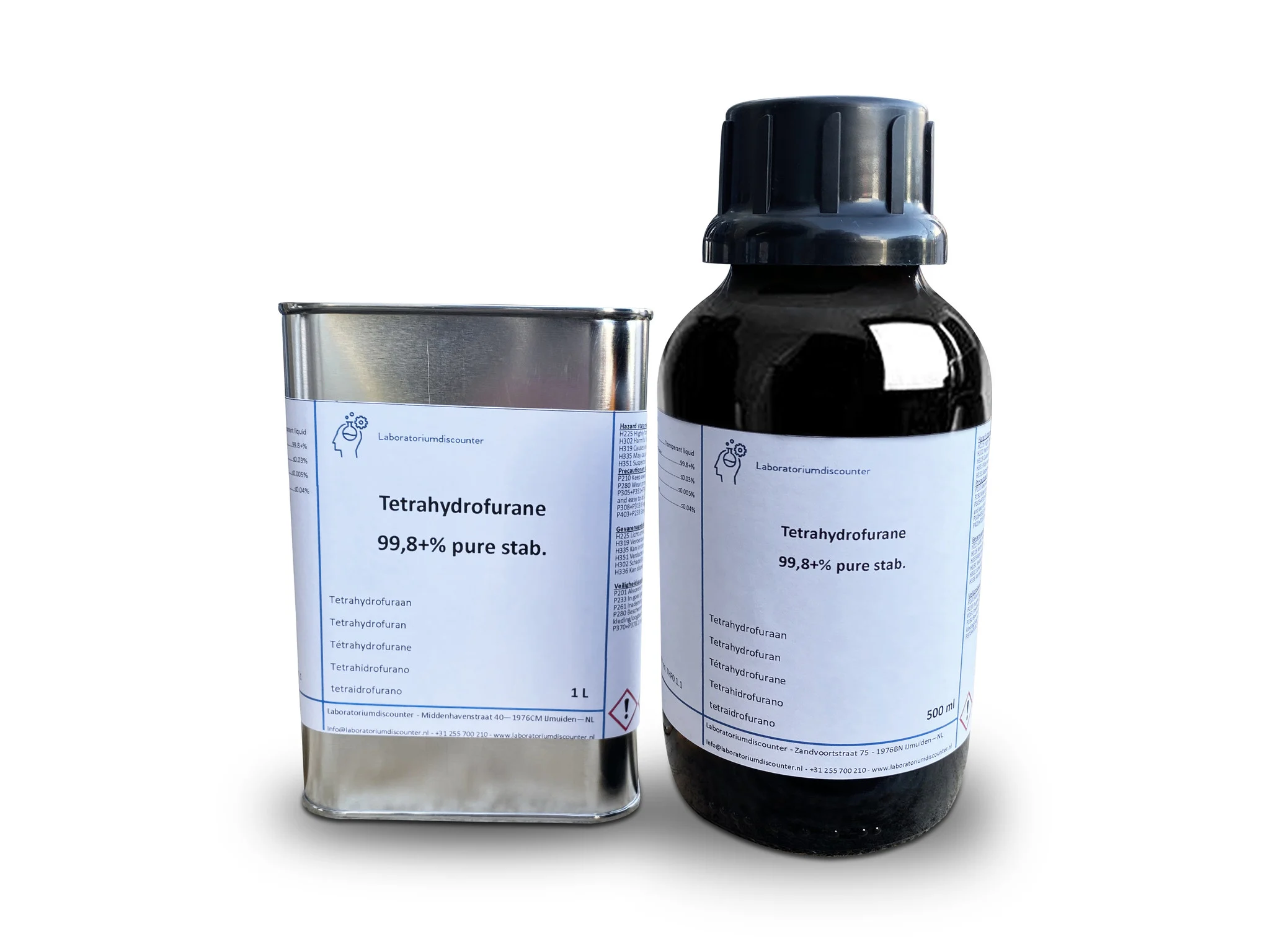
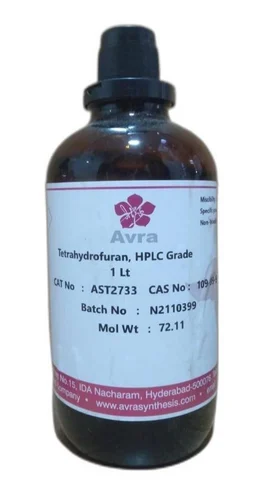


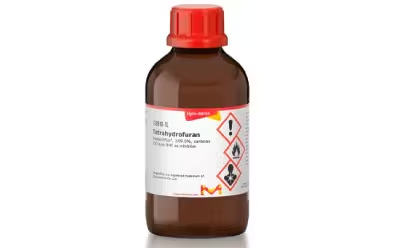
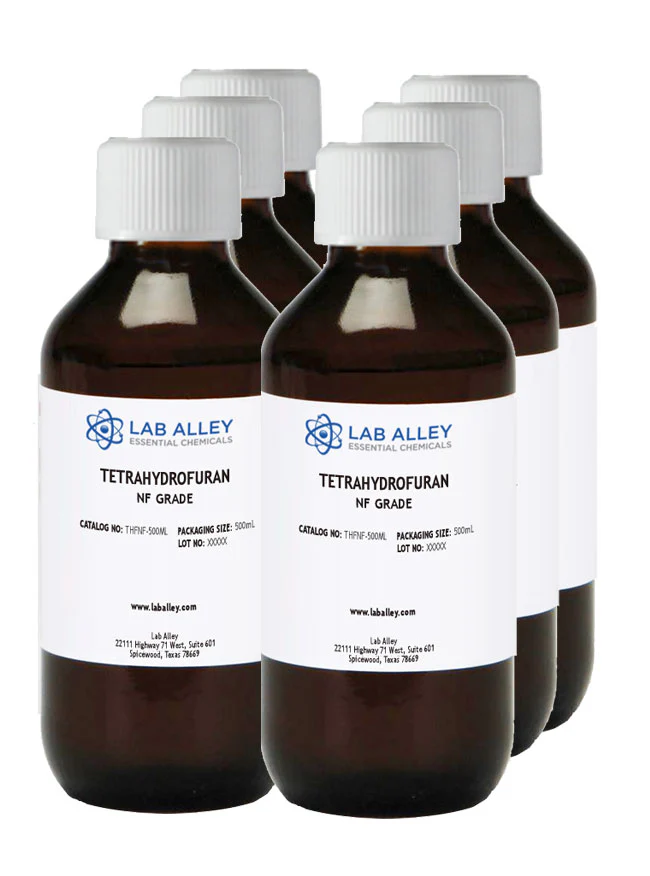

Description
Tetrahydrofuran (THF): A Versatile Solvent with a Wide Range of Applications
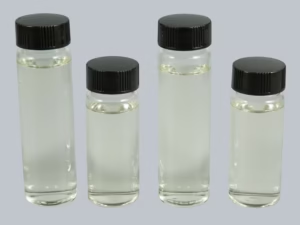
Tetrahydrofuran (THF), a cyclic ether with the chemical formula (CH₂)₄O, is a colorless, low-viscosity liquid widely recognized and utilized as a versatile aprotic solvent. Its unique chemical and physical properties make it indispensable across various industries and research fields. This article delves into the characteristics, applications, and potential hazards of THF, shedding light on its importance in modern chemistry and beyond.
Key Properties and Characteristics:
THF’s popularity stems from a combination of desirable properties:
- Excellent Solvent: THF is a powerful solvent capable of dissolving a wide range of polar and non-polar compounds, including polymers, resins, and many inorganic materials. This broad solubility makes it a valuable tool in various chemical processes.
- Relatively Low Boiling Point: With a boiling point of around 66°C (151°F), THF is easy to evaporate and remove from reaction mixtures, simplifying purification procedures.
- Complete Miscibility with Water: THF’s miscibility with water in all proportions adds to its versatility, allowing for the creation of solvent mixtures tailored to specific applications.
- Aprotic Nature: As an aprotic solvent, THF lacks acidic protons, making it ideal for reactions involving strong bases and organometallic reagents, where protic solvents would interfere.
- Relatively Stable: Under normal conditions, THF is relatively stable, making it easy to handle and store.
Diverse Applications Across Industries:
THF’s unique characteristics have led to its widespread use in numerous industries:
- Polymer Chemistry: THF is a key solvent in the production of polymers, particularly in the synthesis of polyurethane elastomers, PVC coatings, and adhesives. Its ability to dissolve a variety of polymers makes it essential for controlling polymerization processes and achieving desired material properties.
- Pharmaceutical Industry: In pharmaceutical research and manufacturing, THF is used as a solvent for chemical reactions, extractions, and purifications of drug candidates and active pharmaceutical ingredients (APIs). Its ability to solubilize various organic compounds and its relatively low toxicity make it a preferred choice.
- Laboratory Research: THF is a staple solvent in academic and industrial research laboratories. It serves as a reaction medium, extractant, and cleaning agent in various chemical and biological experiments.
- Industrial Cleaning: THF’s solvent power makes it effective in cleaning and degreasing surfaces, removing contaminants, and preparing surfaces for coating or bonding.
- Grignard Reagents: THF is an excellent solvent for Grignard reagents, crucial organometallic compounds used in organic synthesis for carbon-carbon bond formation.
- Chromatography: THF is used as a mobile phase in chromatography techniques, such as size exclusion chromatography (SEC), for separating and analyzing polymers and other macromolecules.
Safety Considerations and Handling:
While THF is a valuable solvent, it’s crucial to acknowledge and address potential safety concerns:
- Flammability: THF is highly flammable and can form explosive mixtures with air. Proper ventilation and precautions against ignition sources are essential during handling and storage.
- Peroxide Formation: THF can form explosive peroxides upon prolonged exposure to air and light. Storing THF under inert conditions and testing periodically for peroxide content are crucial safety measures.
- Health Hazards: THF can cause eye and skin irritation upon contact. Inhalation of vapors can lead to respiratory irritation and dizziness. Proper personal protective equipment (PPE), such as gloves, eye protection, and respiratory protection, should always be used when handling THF.
- Disposal: THF waste should be disposed of properly in accordance with local regulations.
Conclusion:
Tetrahydrofuran (THF) is a pivotal solvent with a wide range of applications spanning across numerous industries and research fields. Its unique combination of desirable properties, including its solvent power, relatively low boiling point, and aprotic nature, makes it an indispensable tool for chemists, material scientists, and researchers alike. However, it is crucial to be aware of the potential hazards associated with THF and to handle it safely and responsibly. By understanding its properties, applications, and safety considerations, users can harness the full potential of this versatile solvent while minimizing risks. As research and industry continue to evolve, THF is likely to remain a vital component in various chemical processes and technological advancements.


Reviews
There are no reviews yet.