
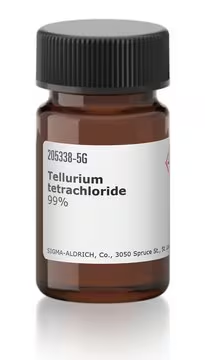
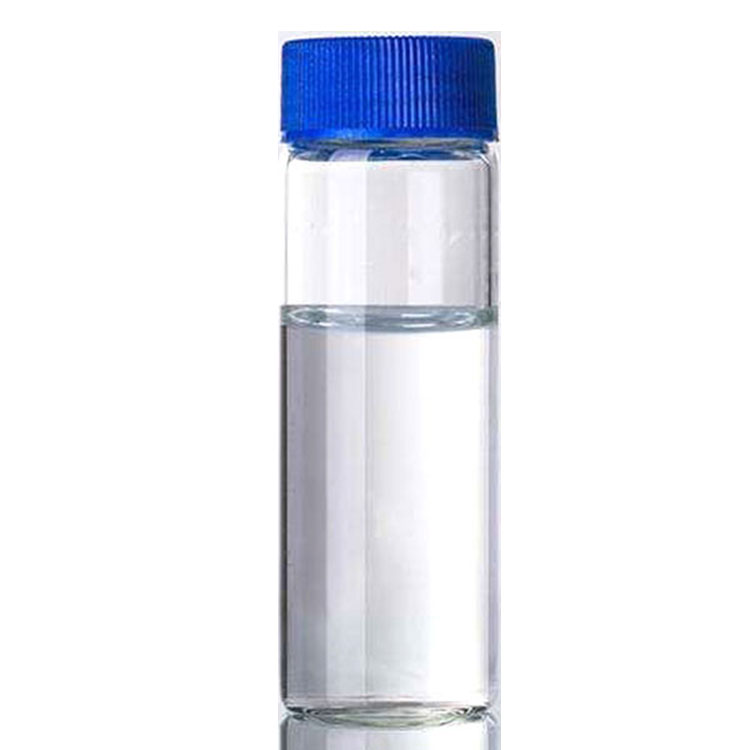
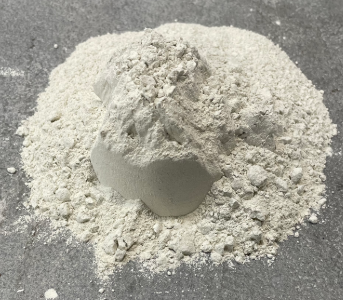
Description
Tellurium tetrachloride (TeCl4)
Overview
Tellurium tetrachloride is the covalently bonded compound of tellurium in the +4 oxidation state with four chlorine ligands. It is a moisture‑sensitive reagent that is used as a precursor for various tellurium compounds and in organic synthesis as a chlorinating/reagent.
- Formula: TeCl4
- Common name: Tellurium tetrachloride
Preparation (typical routes)
- Direct chlorination of tellurium metal at elevated temperature:
- Te + 2 Cl2 → TeCl4
- Oxidation/chlorination of tellurium halide intermediates:
- TeCl2 or TeO2 can be converted to TeCl4 under chlorine gas or in chlorinating environments.
Key properties
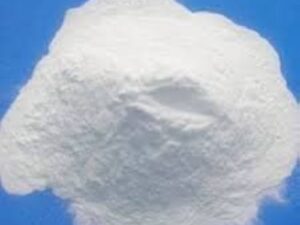
- Appearance: Often described as a colorless to pale yellow volatile liquid; it can be moisture sensitive.
- Stability: Reacts with water and oxygen in air; hydrolyzes upon contact with water to produce tellurium oxychloride species and HCl. Prolonged exposure to moisture can lead to TeO2 formation.
- Structure: In the gas phase it tends to be monomeric; in the solid state it can form polymeric aggregates or complexes depending on conditions.
- Reactivity: Acts as a chlorinating agent and a precursor for a variety of tellurium compounds.
Reactions to know
- Synthesis (example):
- Te + 2 Cl2 → TeCl4
- Hydrolysis (high level):
- TeCl4 reacts with water to give Te-containing oxychloride species and HCl; prolonged hydrolysis can yield TeO2.
- Use in synthesis:
- TeCl4 can be used to prepare organotellurium compounds via halide exchange or oxidative addition reactions in organic chemistry.
Typical uses
- Precursor for preparing tellurium(IV) compounds.
- Reagent in organotellurium chemistry and various chlorination steps.
- Intermediate in the preparation of tellurium oxides and oxychlorides.
Safety and handling
- Hazards: Corrosive and toxic; fumes can contain HCl during hydrolysis. Strong irritant to eyes, skin, and respiratory system.
- Storage: Keep dry and in a tightly sealed container under inert atmosphere (e.g., nitrogen or argon) to minimize hydrolysis.
- Handling tips: Work in a well‑ventilated fume hood; wear appropriate PPE (gloves, goggles, lab coat).

Reviews
There are no reviews yet.