

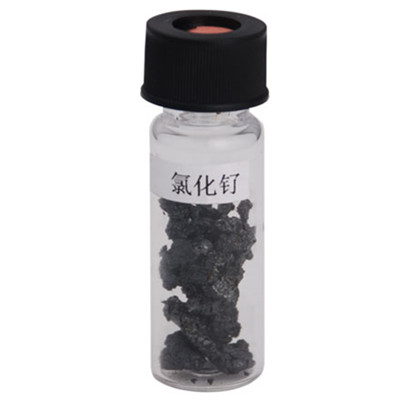
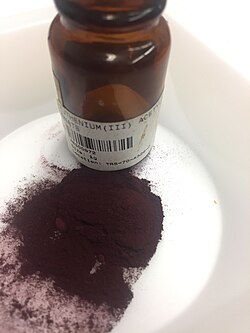
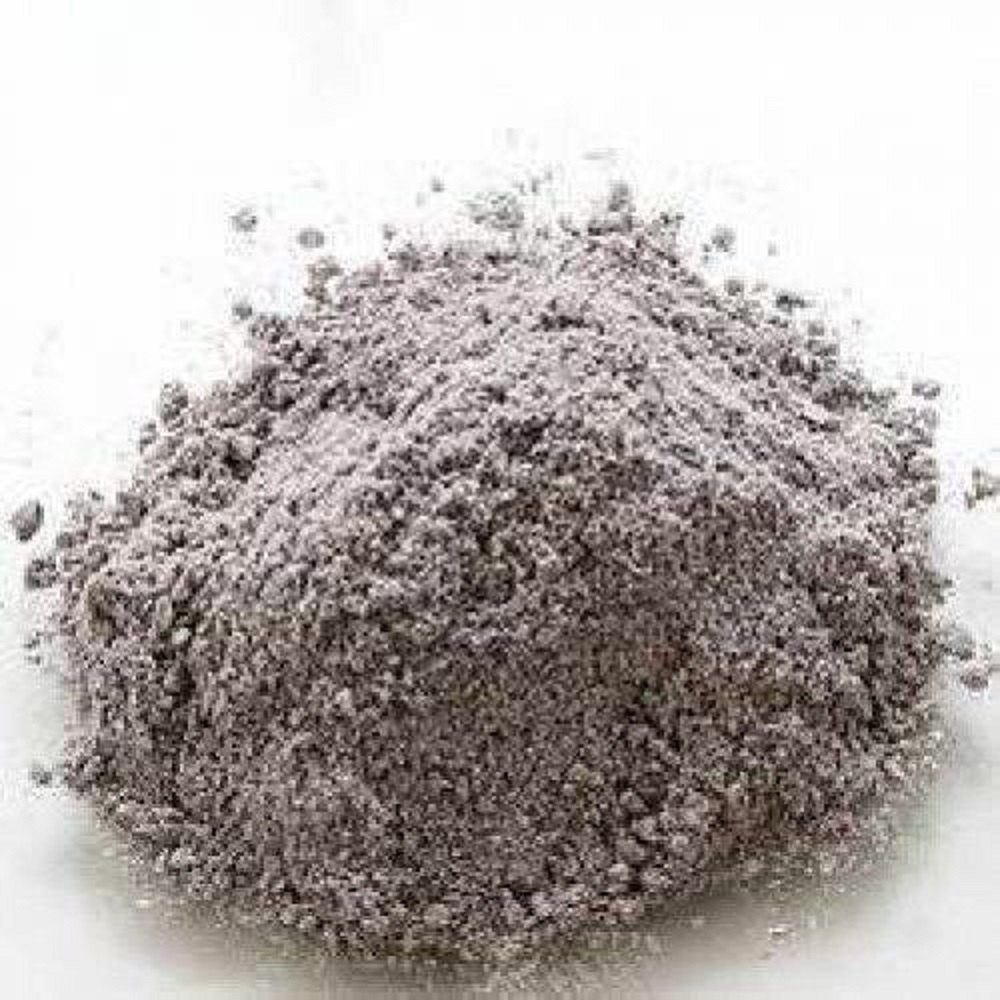
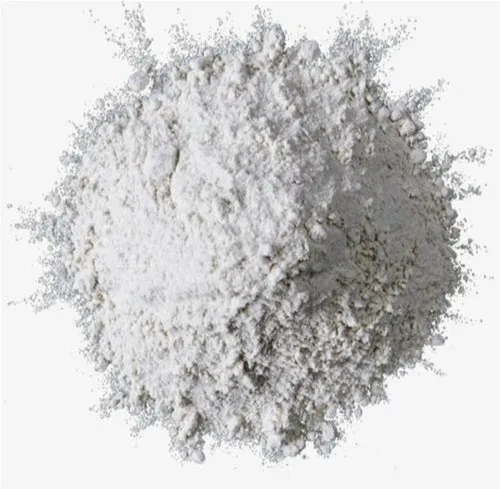
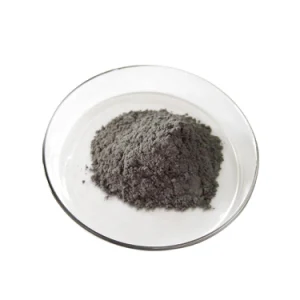
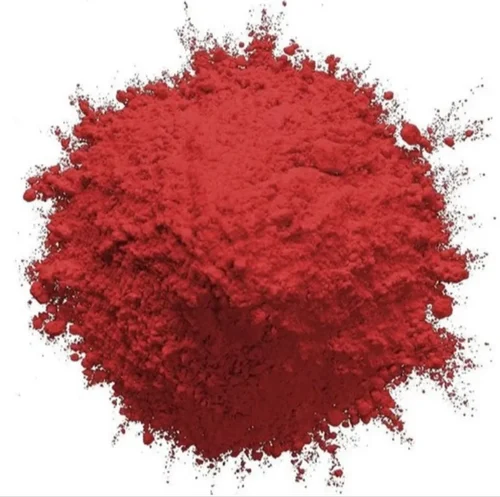
Description
Ruthenium Acetylacetonate: Properties, Synthesis, and Applications
Introduction
Ruthenium acetylacetonate, a coordination compound of ruthenium, has emerged as a significant player in various fields of chemistry, particularly in catalysis, material science, and organic synthesis. As a metal-organic complex, it serves as a versatile compound that combines the unique properties of ruthenium with the chelating capabilities of acetylacetone (acac), resulting in appealing characteristics for various applications.
Structure and Properties
The chemical formula of ruthenium acetylacetonate is commonly represented as Ru(C5H7O2)2. In this complex, the ruthenium atom is coordinated to two acetylacetonate ligands, exhibiting a square planar or octahedral geometry depending on the surrounding environment and the oxidation state of ruthenium.
Ruthenium, a member of the platinum group metals, is known for its catalytic properties, making this compound particularly valuable. Its ability to support multiple oxidation states—typically +2 or +3—allows it to participate in various redox reactions. The chelating nature of the acetylacetonate ligands increases the stability of the metal complex while enhancing its solubility in organic solvents.
Synthesis
Ruthenium acetylacetonate can be synthesized through several methods. A common approach involves the reaction of ruthenium trichloride (RuCl3) with acetylacetone in a suitable solvent, such as ethanol or water. The general reaction proceeds as follows:
[ \text{RuCl}_3 + 2 \text{Acac} \rightarrow \text{Ru(Acac)}_2 + 3 \text{HCl} ]
The synthesis conditions—including temperature, solvent choice, and concentration—can significantly influence the yield and purity of the final product. Following synthesis, purification methods such as recrystallization or chromatography may be employed to isolate high-purity ruthenium acetylacetonate.
Applications
Ruthenium acetylacetonate has found diverse applications due to its unique properties:
- Catalysis: As a catalyst in organic reactions, ruthenium acetylacetonate is often employed in hydrogenation processes, facilitating the conversion of unsaturated compounds to saturated ones. It also serves as a precursor in the development of catalysts for olefin metathesis, a crucial process in the production of various polymers and chemicals.
- Material Science: In the realm of materials chemistry, ruthenium acetylacetonate is utilized as a precursor for thin film deposition, particularly in the creation of ruthenium-containing films. These films have applications in microelectronics, semiconductors, and as protective coatings due to their robustness and conductivity.
- Organic Synthesis: Ruthenium complexes, including acetylacetonate derivatives, are also relevant in various organic synthesis strategies, such as C–C and C–H bond formation. Its effectiveness in catalyzing cross-coupling reactions makes it a valuable tool for synthesizing complex organic molecules.
- Bioinorganic Chemistry: Studies have explored the bioactivity of ruthenium compounds. Ruthenium acetylacetonate and its derivatives are investigated for their potential antitumor properties and ability to interact with biological systems, offering potential therapeutic applications.
Conclusion
Ruthenium acetylacetonate is a remarkable compound with multifaceted applications across various fields of chemistry. Its unique properties, coupled with the versatility of ruthenium as a transition metal, make it a prominent subject in the study of catalysis, material science, and synthetic organic chemistry. As research advances, further exploration of this compound may uncover even more innovative applications, reinforcing its role as a crucial component in modern chemistry.


Reviews
There are no reviews yet.