
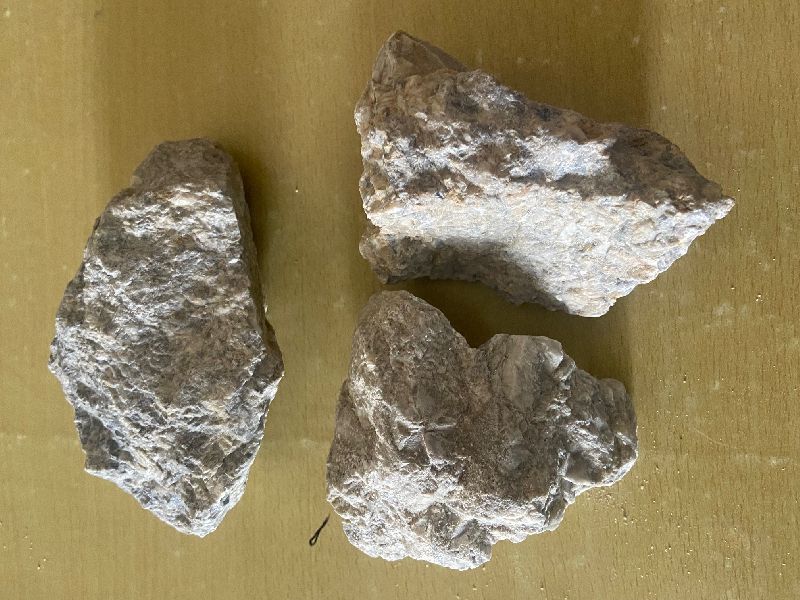
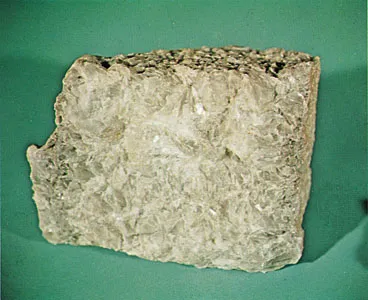
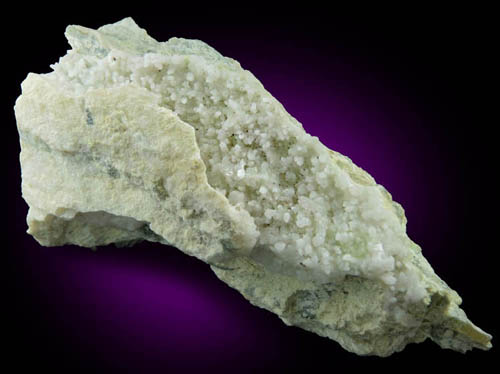
Description
Magnesite: The Magnesium-Rich Mineral with a Versatile Role
Magnesite, a mineral composed primarily of magnesium carbonate (MgCO3), is a fascinating and important material with a surprising range of applications. From its origins deep within the earth to its use in industrial processes and even as an ornamental stone, magnesite boasts a story as complex and varied as its chemical formula.
Formation and Occurrence:
Magnesite typically forms in two primary ways. Firstly, it can be formed as a result of hydrothermal alteration of ultramafic rocks, such as peridotite and serpentine. When carbon dioxide-rich fluids react with these rocks rich in magnesium-bearing minerals like olivine and serpentine, magnesite precipitates out. This process often results in massive deposits of cryptocrystalline magnesite.
Secondly, magnesite can also form as a secondary mineral in sedimentary environments, often associated with dolomite and other carbonate rocks. In these settings, magnesium-rich brines react with existing carbonates to produce magnesite. This type of magnesite tends to be more crystalline and may be associated with veins and cavities.
Magnesite deposits are found across the globe, with significant occurrences in Austria, Brazil, China, Greece, Russia, Slovakia, and the United States.
Physical Properties:
Magnesite exhibits a range of physical properties that contribute to its utility:
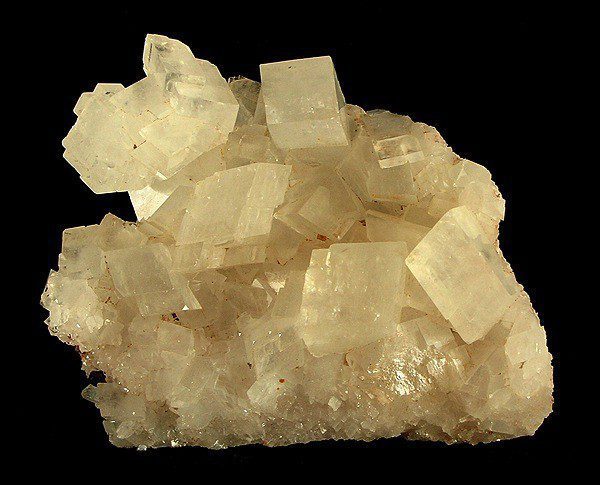
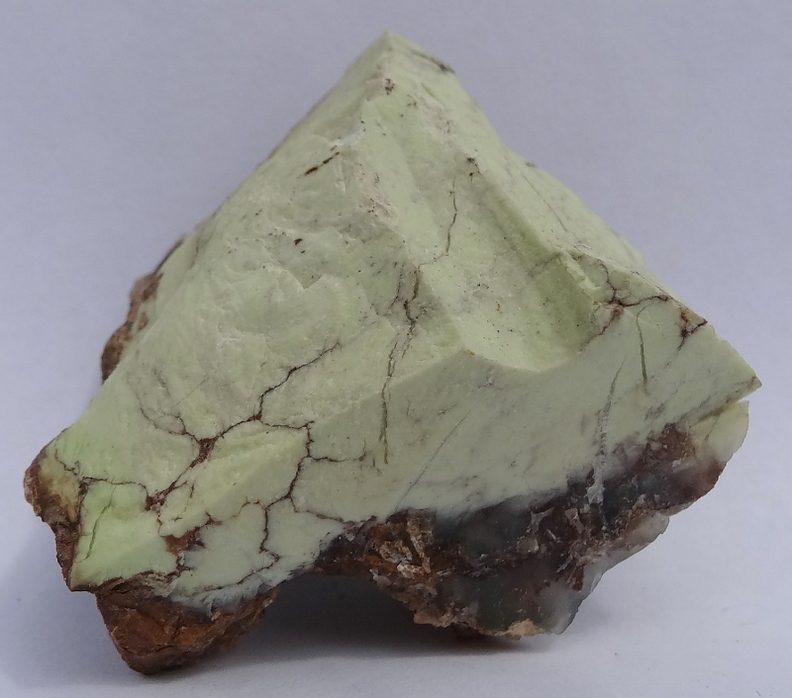
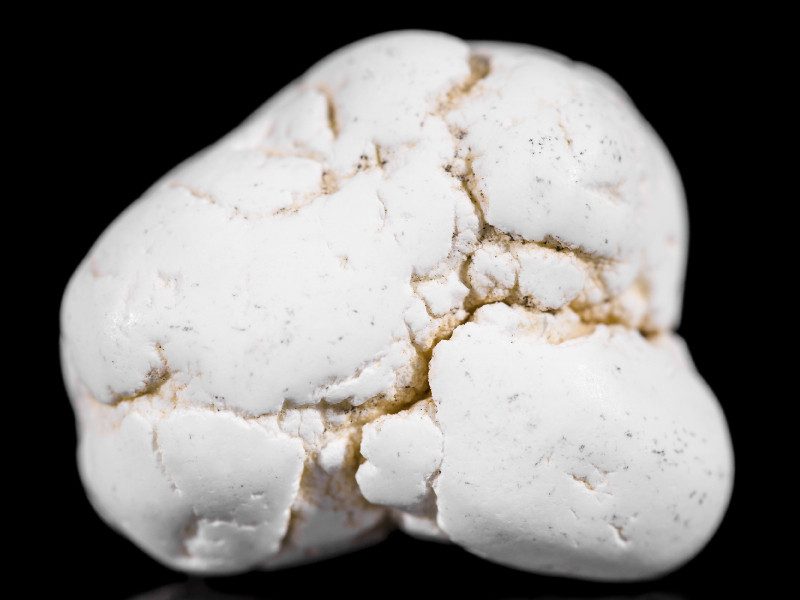
- Color: Typically white, grayish-white, yellowish, or brownish.
- Luster: Vitreous to dull.
- Hardness: Relatively soft, ranging from 3.5 to 4.5 on the Mohs scale.
- Streak: White.
- Cleavage: Perfect rhombohedral.
- Fracture: Conchoidal to uneven.
- Specific Gravity: 2.9 to 3.1.
One of the key identifying characteristics of magnesite is its reaction with cold, dilute hydrochloric acid. While the reaction is slow, it helps distinguish magnesite from similar-looking carbonate minerals like calcite, which reacts vigorously.
Uses and Applications:
The versatility of magnesite lies in its ability to withstand high temperatures and its magnesium content. This leads to a diverse range of applications:
- Refractory Materials: The most significant use of magnesite is in the production of refractory bricks and linings for furnaces, kilns, and other high-temperature industrial equipment. After being calcined (heated to high temperatures), magnesite is converted to periclase (MgO), which is highly resistant to heat and chemical attack. These materials are crucial in the steel, cement, and glass industries.
- Magnesium Oxide Production: Magnesite serves as a primary source of magnesium oxide (MgO), also known as magnesia. MgO is utilized in a wide array of applications including:
- Fertilizers: As a source of magnesium, an essential plant nutrient.
- Animal Feed: To supplement magnesium in animal diets.
- Chemical Manufacturing: As a chemical feedstock in the production of various magnesium compounds.
- Pharmaceuticals and Health Products: Magnesium oxide is used in antacids and laxatives.
- Construction Materials: Magnesium oxide-based cements and plasters are gaining popularity as alternatives to traditional Portland cement. These materials offer advantages such as faster setting times, improved fire resistance, and potential for carbon sequestration.
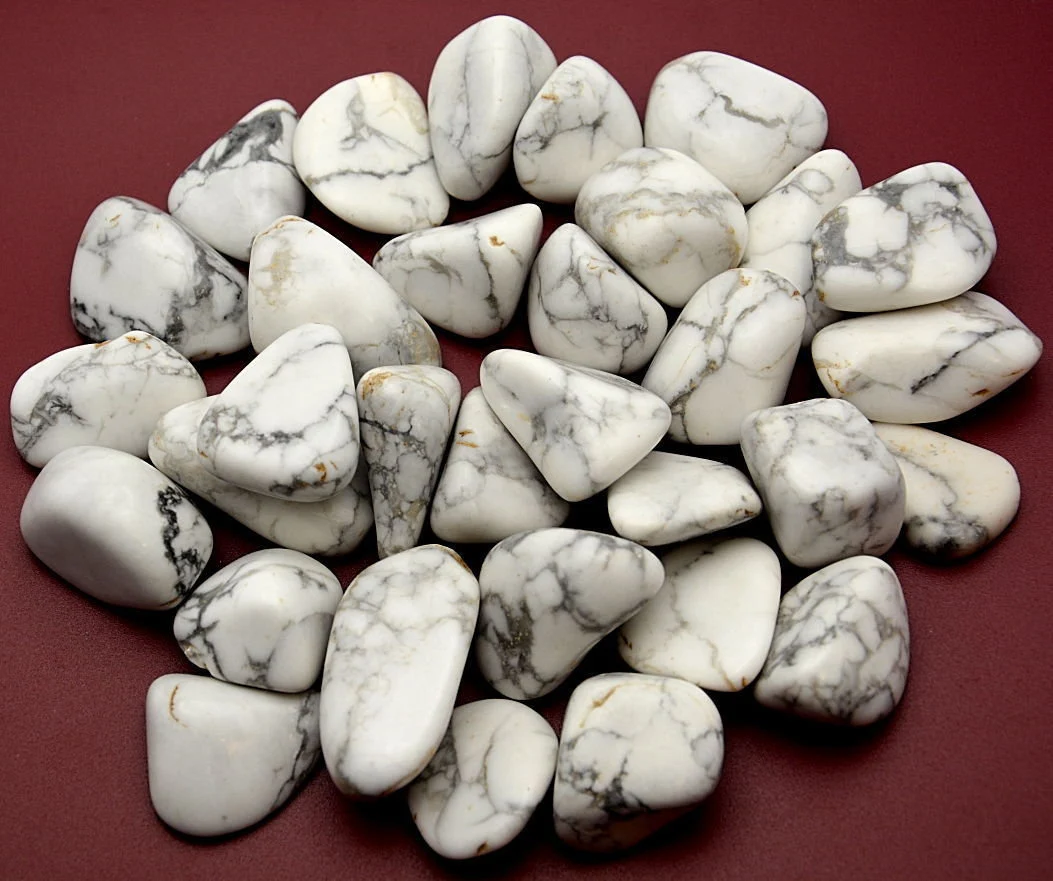
- Ornamental Stone: Fine-grained, massive magnesite with attractive patterns can be polished and used as an ornamental stone for carvings, jewelry, and decorative objects.
Environmental Considerations:
The mining and processing of magnesite can have environmental impacts, including habitat disruption, dust generation, and the potential for water contamination. Responsible mining practices, proper waste management, and reclamation efforts are crucial to minimize these impacts. Furthermore, research is ongoing into more sustainable methods of magnesite processing, such as carbon capture and utilization technologies to reduce the carbon footprint associated with its production.
In Conclusion:
Magnesite is a vital mineral resource with a crucial role to play in various industries. Its remarkable properties, particularly its heat resistance and magnesium content, make it an indispensable material for refractories, chemical production, and even construction. While the environmental challenges associated with its extraction and processing must be addressed responsibly, magnesite remains a valuable and versatile mineral in our modern world. Its story, from its geological origins to its diverse applications, is a testament to the ingenuity of humans in harnessing the earth’s resources.

Reviews
There are no reviews yet.