
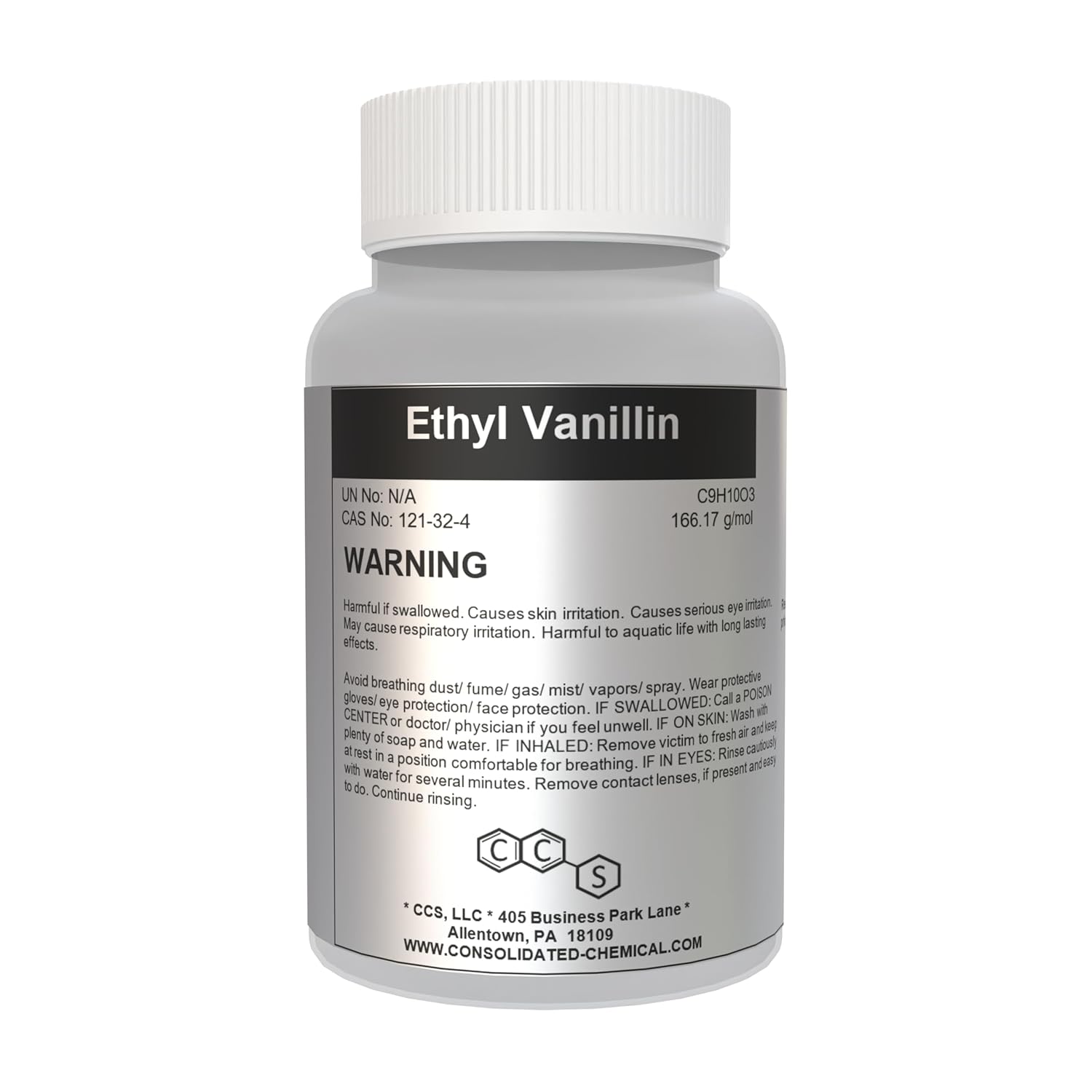
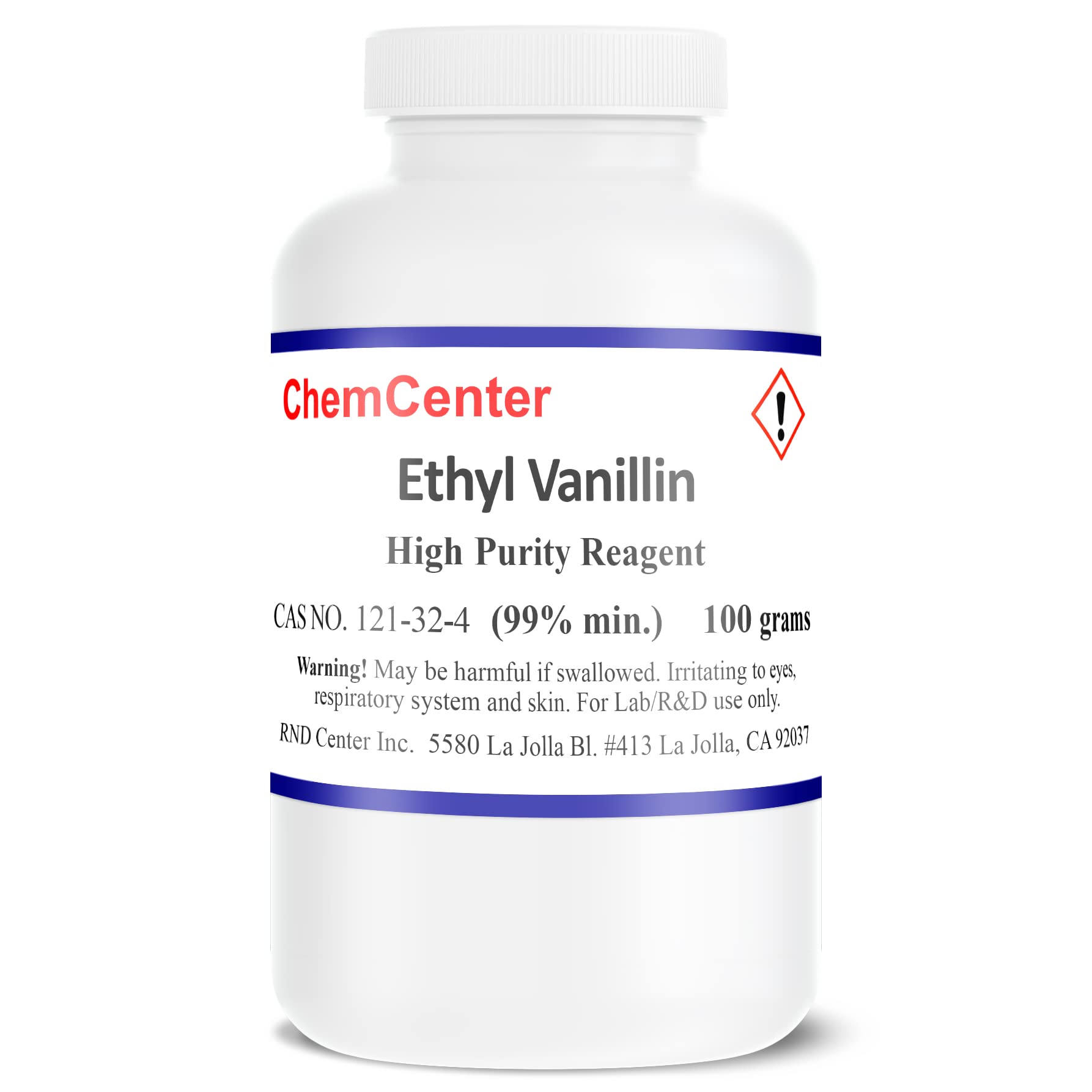
Description
Ethyl Vanillin: A Synthetic Star in the World of Flavor and Fragrance
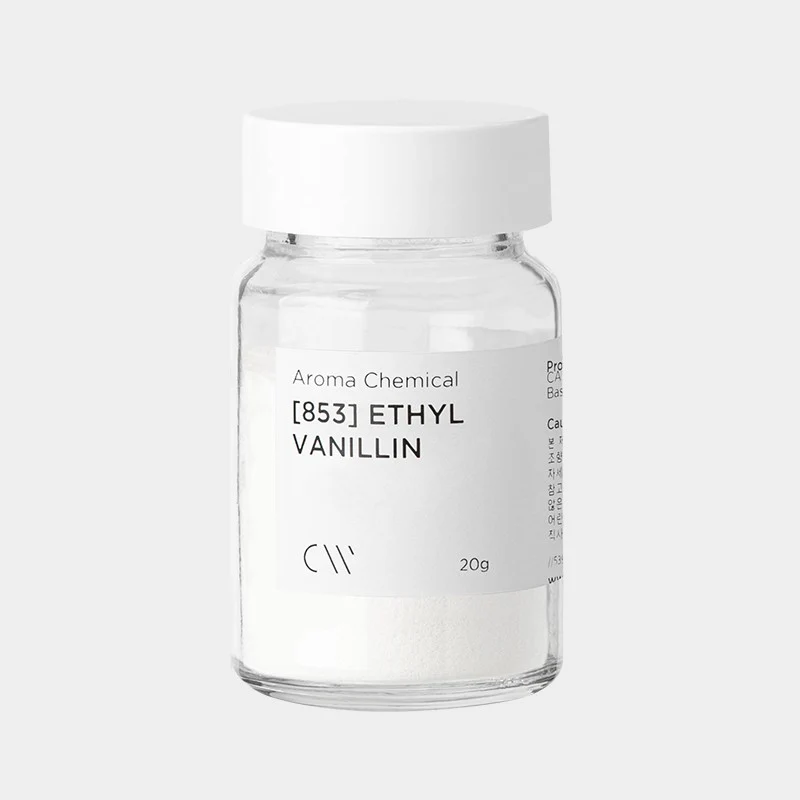
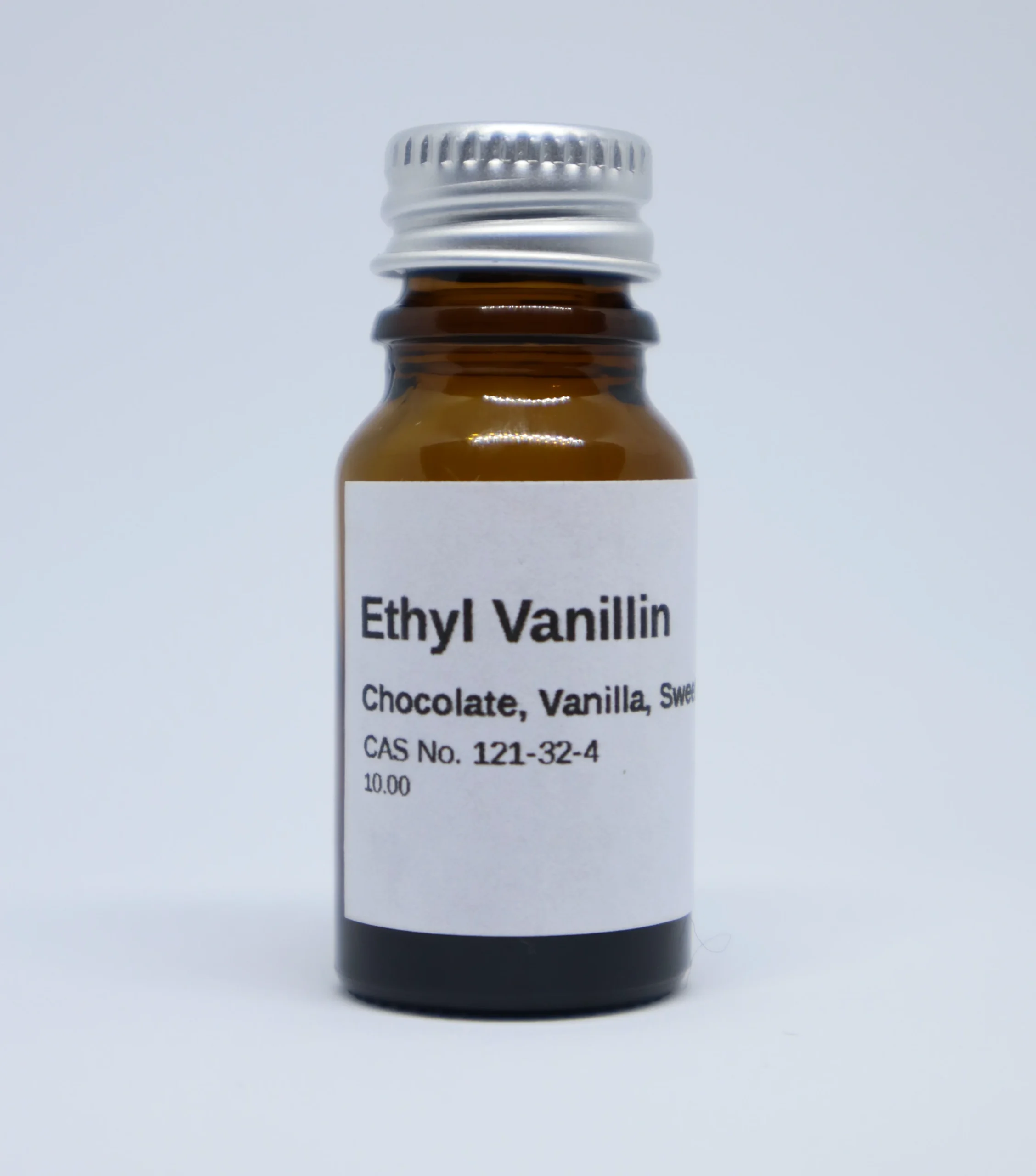
Ethyl vanillin, a close cousin of the more familiar vanillin, is a synthetic flavoring agent prized for its intense, sweet, and creamy vanilla aroma. While vanillin naturally occurs in vanilla beans, ethyl vanillin is a lab-created alternative that offers several advantages, primarily its significantly stronger flavor profile and lower production cost. This has made it a ubiquitous ingredient in a wide range of food products, fragrances, and even pharmaceuticals.
A Stronger Sibling: Understanding the Chemistry
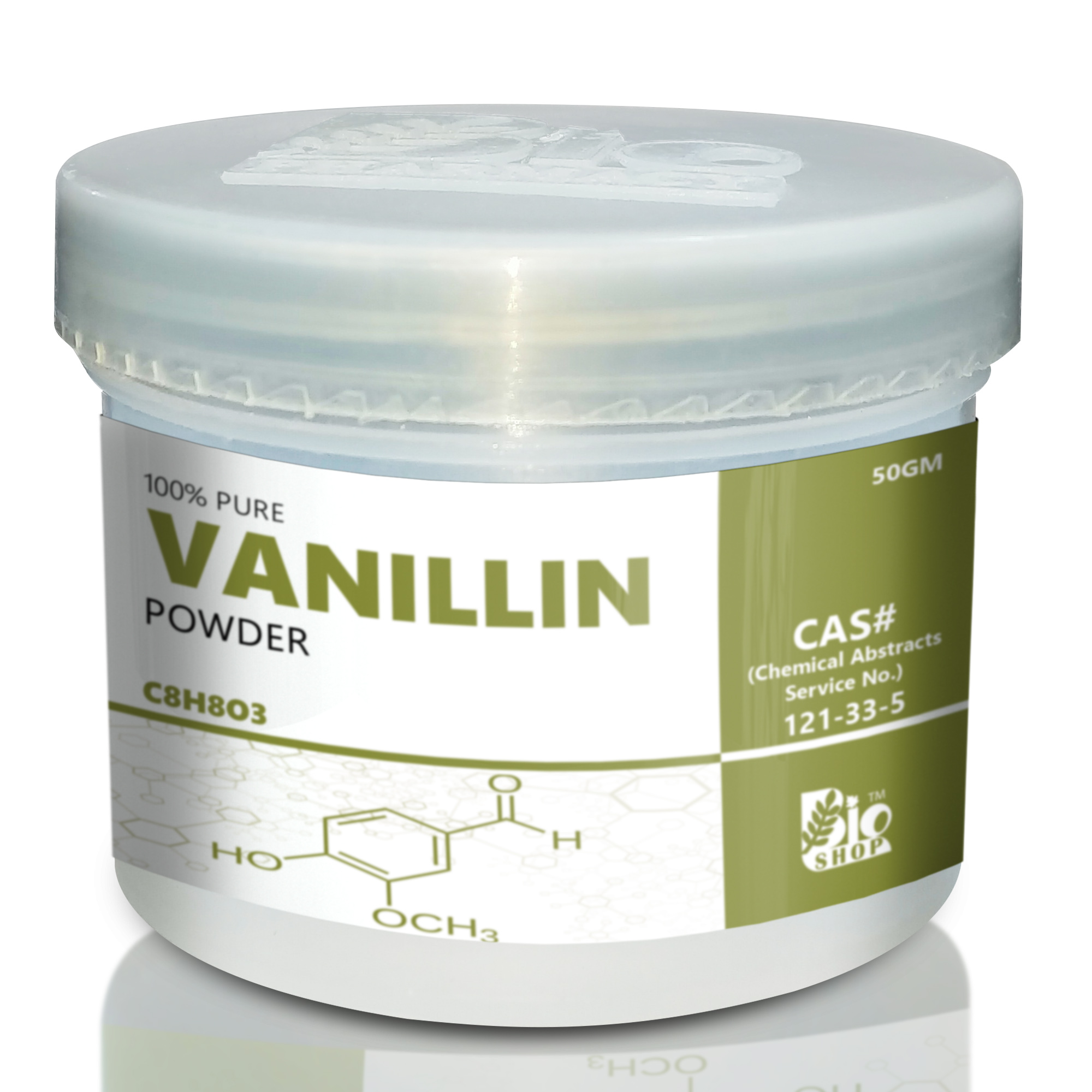
The key difference between vanillin and ethyl vanillin lies in a single chemical group. Ethyl vanillin possesses an ethyl group (C2H5) in place of the methyl group (CH3) found in vanillin. This seemingly minor alteration results in a vanilla flavor approximately 2.5 to 3 times stronger than natural vanillin. This increased intensity allows manufacturers to use smaller quantities of ethyl vanillin to achieve the desired vanilla impact, making it an economically attractive option.
Applications Across Industries:
The versatility of ethyl vanillin has cemented its place in numerous industries:
- Food and Beverage: This is perhaps its most visible domain. Ethyl vanillin is a staple ingredient in:
- Baked goods: Cakes, cookies, pastries, and muffins benefit from its enhanced vanilla aroma.
- Chocolate and confectionery: It amplifies the sweetness and richness of chocolates, candies, and ice cream.
- Beverages: Soft drinks, flavored milks, and even some alcoholic beverages utilize ethyl vanillin to impart a captivating vanilla note.
- Processed foods: It often finds its way into cereals, puddings, and other packaged goods to enhance their flavor appeal.
- Fragrance: The sweet and creamy nature of ethyl vanillin makes it a popular ingredient in perfumes, lotions, soaps, and other personal care products. It acts as a base note, providing warmth and depth to a fragrance composition.
- Pharmaceuticals: Ethyl vanillin can mask unpleasant tastes in medications, making them more palatable for consumption. It’s sometimes employed in the production of chewable tablets and syrups.
The Synthetic vs. Natural Debate:
The use of ethyl vanillin, like other synthetic flavorings, often sparks debate about the merits of natural versus artificial ingredients. While natural vanillin extracted from vanilla beans is often perceived as superior, its cost and the labor-intensive extraction process make it significantly more expensive. Ethyl vanillin offers a commercially viable alternative, providing a consistent and powerful vanilla flavor at a lower price point.
However, some argue that natural vanillin offers a more complex and nuanced flavor profile, while ethyl vanillin can sometimes have a slightly harsher or artificial aftertaste. Concerns about the environmental impact of vanilla bean cultivation and harvesting are also a factor when considering the sustainability of both options.
Safety and Regulation:
Ethyl vanillin is generally recognized as safe (GRAS) by regulatory bodies like the U.S. Food and Drug Administration (FDA) and the European Food Safety Authority (EFSA) when used in appropriate amounts. These organizations have established acceptable daily intake (ADI) levels to ensure consumer safety.
Looking Ahead:
Ethyl vanillin will undoubtedly remain a crucial ingredient in the flavor and fragrance industries. Ongoing research explores ways to optimize its production, minimize any potential drawbacks, and potentially create even more nuanced and appealing synthetic vanilla flavorings. As consumer demand for affordable and flavorful products continues to grow, ethyl vanillin’s role in shaping our sensory experiences is likely to only expand further.
In conclusion, ethyl vanillin is a synthetic flavoring agent that has revolutionized the food and fragrance industries. Its intense vanilla aroma, cost-effectiveness, and versatility have made it an indispensable ingredient in a wide range of products, demonstrating the power of chemical ingenuity in enhancing our daily lives. While the debate between natural and synthetic ingredients persists, ethyl vanillin offers a practical and widely accepted solution for achieving that beloved vanilla flavor we all enjoy.


Reviews
There are no reviews yet.