
Description
1. Product Overview
Cobalt Hydroxide (Co(OH)₂) is a high-purity, inorganic crystalline compound essential for the production of advanced battery cathode materials, specifically for lithium-ion batteries used in electric vehicles (EVs) and energy storage systems. Its primary industrial use is as a precursor to cobalt salts and as a key dopant in nickel-cobalt-manganese (NCM) and nickel-cobalt-aluminum (NCA) battery chemistries. Strategically, with the global EV market expanding at over 20% annually, securing a reliable, high-grade cobalt hydroxide supply is critical for cathode active material (CAM) manufacturers seeking to maximize energy density, cycle life, and thermal stability. This product delivers the purity and consistency required to meet the stringent demands of Tier 1 automotive battery supply chains.
2. Key Specifications & Technical Characteristics
-
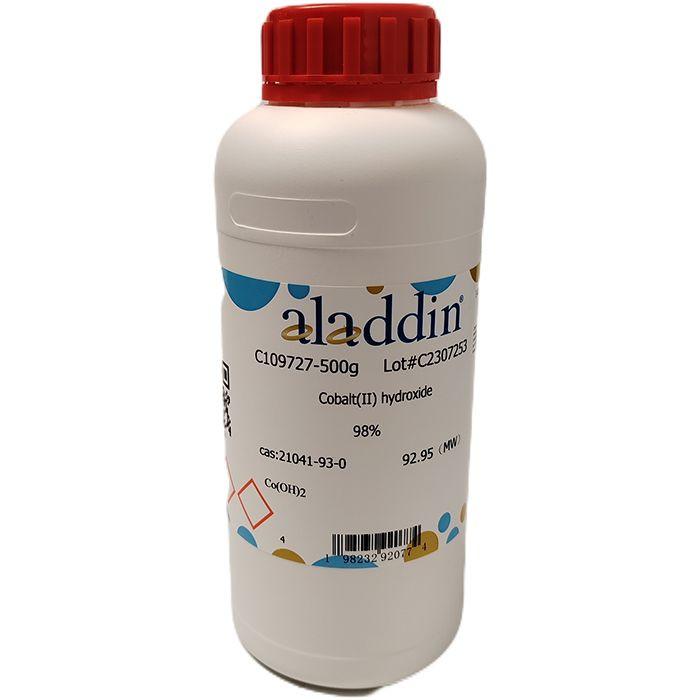
Chemical Composition: Cobalt(II) hydroxide, Co(OH)₂ (CAS: 21041-93-0)
-
Purity Grade: Battery-grade, minimum 99.8% Co(OH)₂ basis (typical 99.9%)
-
Impurity Control (max): Cu < 50 ppm, Fe < 50 ppm, Zn < 50 ppm, Ca < 100 ppm, Mg < 100 ppm, Na < 200 ppm, Water insolubles < 0.05%
-
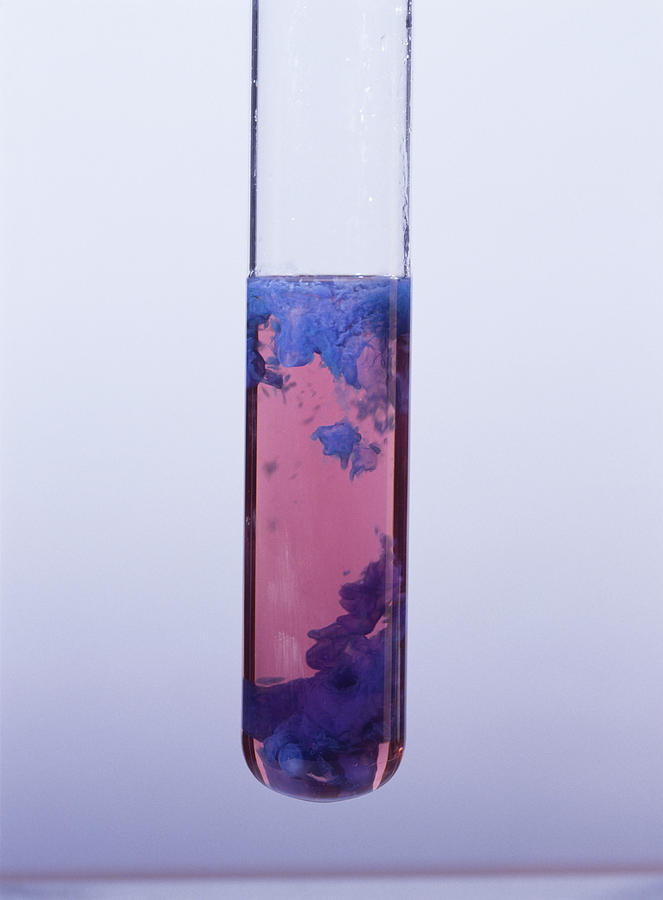
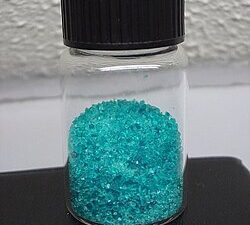
Physical Form: Rosy-red to pink fine powder
-
Particle Size (D50): 5–15 µm (customizable per buyer SOW)
-
Tap Density: 1.2–1.8 g/cm³
-
BET Surface Area: 8–15 m²/g (optimized for precursor reactivity)
-
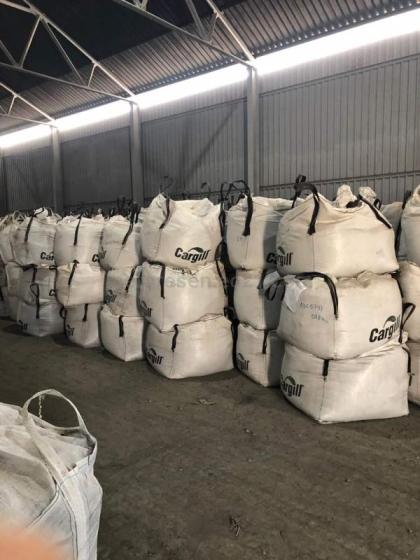
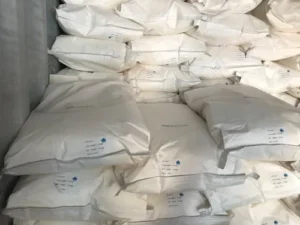
Packaging Options: 25 kg laminated aluminum foil bags, 500 kg or 1,000 kg flexible intermediate bulk containers (FIBCs), or customer-specific vacuum-sealed drums
-
Shelf Life: 24 months when stored in original sealed packaging under dry, ambient conditions (avoiding CO₂ exposure)
3. Core Industrial Applications
-
Primary Industries: Electric vehicle battery manufacturing, consumer electronics energy storage, specialty alloy production, and ceramic pigment sectors.
-
Operational Use Cases:
-
Battery Precursor Synthesis: Direct conversion to cobalt sulfate (CoSO₄) for NCM/NCA cathode active material.
-
Electroplating & Additives: Use as a cobalt source in hard-facing alloys, diamond tooling, and rechargeable battery electrode binders.
-
Catalysts & Pigments: Hydrogenation catalysts and cobalt blue/violet ceramic stains.
-
-
Performance Advantages: Compared to cobalt oxide (Co₃O₄) or cobalt carbonate, this hydroxide form offers higher reactivity in acid dissolution, lower carbon footprint (less calcination energy), and superior yield in sulfate conversion – reducing processing time by up to 15% and acid consumption by 10–12% for CAM manufacturers.
4. Competitive Advantages
-
Quality Consistency: Statistical process control (SPC) with batch-to-batch CV < 2% on key purity parameters; full traceability from ore source to final packaging.
-
Supply Reliability: Multi-continent refining partnerships (DRC, China, Australia origins) with 50,000 MT annual throughput, guaranteeing 12–18 month contract stability.
-
Logistics Capability: Hazardous material (Class 8, PG II) certified; direct container loading from portside warehouses in Shanghai, Rotterdam, and Houston.
-
Price Competitiveness: Direct ex-works pricing model using LME cobalt reference minus fixed discount; volume-based tiering reduces $/kg by 3–7% over standard distributor rates.
-
Sustainability & Documentation: ISO 14001-certified production; full conflict minerals reporting (RMI standard) and Scope 3 emissions data available. Includes certificate of analysis (CoA), safety data sheet (SDS), and lot-specific XRF/ICP-MS test reports.
5. Commercial & Supply Information
-
Minimum Order Quantity (MOQ): 20 metric tons (MT) – BULK 20MT
-
Loading Capacity: 20 MT per standard 20-foot dry container (optimized palletization) or 45 MT per 40-foot high-cube container using flexible bulk bags.
-
Lead Time: 15–30 days after purchase order confirmation and letter of credit establishment.
-
Incoterms Supported: EXW (Shanghai/Rotterdam), FOB (major port), CIF (buyer’s nominated port subject to credit approval).
Reviews
There are no reviews yet.