
Description
1. Product Overview
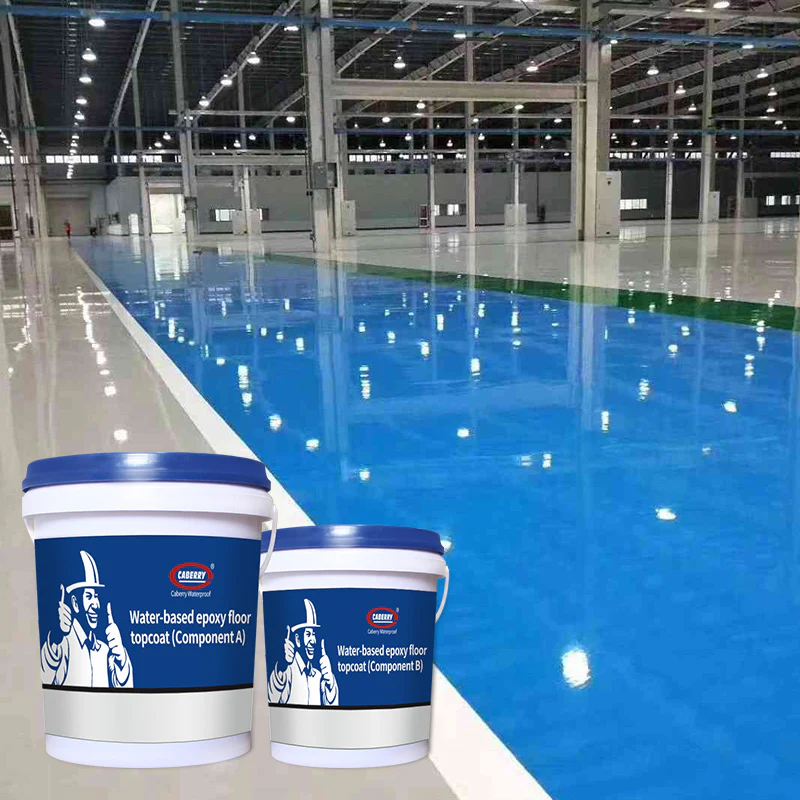
Epoxy Flooring is a high-performance, thermosetting resin system composed of epoxy polymers and specialized hardeners, formulated to create seamless, durable, and chemically resistant floor surfaces. It is primarily utilized in industrial environments—such as manufacturing plants, warehouses, and pharmaceutical facilities—where mechanical strength and contamination control are critical. The key value proposition lies in its ability to extend substrate life by over 10x compared to conventional concrete seals while reducing total cost of ownership through minimal maintenance. Strategically, this product is essential for global B2B operations seeking to comply with ISO 45001 safety standards and lean manufacturing principles, where floor integrity directly impacts throughput and worker safety.
2. Key Specifications & Technical Characteristics
-
Chemical Composition: 100% solids bisphenol A/epichlorohydrin epoxy resin combined with polyamine or polyamide hardener; VOC < 50 g/L (solvent-free grade)
-
Purity Level: Reactive solids content: 99.5% – 100% (no inert fillers in premium grade)
-
Physical Characteristics:
-
Form: Two-part liquid (resin + hardener)
-
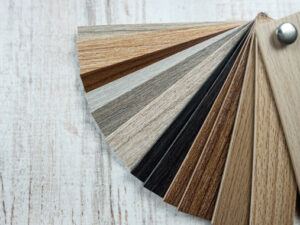
Color: Clear to pigmented (RAL or custom)
-
Particle size: N/A (non-particulate); film thickness: 300–3,000 microns
-
Density (mixed): 1.4 – 1.8 g/cm³
-
Hardness: Shore D 80–85
-
Tensile strength: > 25 MPa
-
-
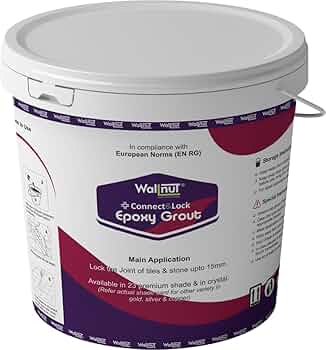
Packaging Options: 20 kg pails (component A + B kits); 200 kg drums; 1,000 kg IBC totes
-
Shelf Life: 24 months in unopened, climate-controlled (10–30°C) containers
3. Core Industrial Applications
-
Primary Industries: Automotive manufacturing, aerospace, food & beverage processing, chemical plants, cold storage logistics, and electronics cleanrooms.
-
Operational Use Cases:
-
Heavy-load zones: Forklift aisles and assembly lines – withstands 50+ N/mm² point loading without delamination
-
Chemical containment: Secondary containment areas – resists acids (10% H₂SO₄), alkalis, and solvents for 72+ hours
-
Hygiene-critical rooms: Pharmaceutical GMP zones – seamless, anti-microbial additive option, eliminates 99.9% of bacterial trapping joints
-
-
Performance Advantage: Outperforms polyurethane and cementitious urethanes in compressive strength (> 80 MPa vs. 40 MPa) and thermal stability (-30°C to +80°C). Efficiency gain: 75% faster recoat time (8 hours to foot traffic) vs. traditional cement toppings (48 hours), reducing downtime cost by up to $5,000/day per production line.
4. Competitive Advantages
-
Quality consistency: ISO 9001:2025 certified batch traceability; every lot tested for pot life, abrasion resistance (Taber CS-17, < 80 mg loss/1,000 cycles), and gloss retention (> 90% after 500 hrs UV)
-
Supply reliability: Redundant manufacturing in three continents (NA, EU, SEA) with 98.5% on-time-in-full (OTIF) performance; safety stock held for 150+ SKUs
-
Logistics capability: Temperature-controlled supply chain from plant to site; real-time IoT tracking for shelf life integrity
-
Price competitiveness: Tiered pricing for 20+ MT annual contracts; 8–12% below European and North American branded equivalents due to vertically sourced epichlorohydrin
-
Sustainability: Low-VOC (< 50 g/L) formulation meets LEED v4.1 MR Credit; 30% bio-renewable carbon content (available on select grades); 100% recyclable packaging
-
Technical support: Free application engineering, on-site mixing verification, and 15-year system warranty upon certified installation
5. Commercial & Supply Information
-
Minimum Order Quantity (MOQ): 1,000 kg (IBC totes or mixed palletized pails)
-
BULK 20MT Loading Capacity: 20 metric tons per 20’ standard container (20 MT net) – configurable as 20 x 1,000 kg IBCs or 100 x 200 kg drums
-
Loading capacity (MT per container): 20 MT net per 20’ dry container; 24 MT per 40’ HC container (using double-stacked IBCs, subject to hazardous transport regulations – UN3082, Class 9)
Reviews
There are no reviews yet.