



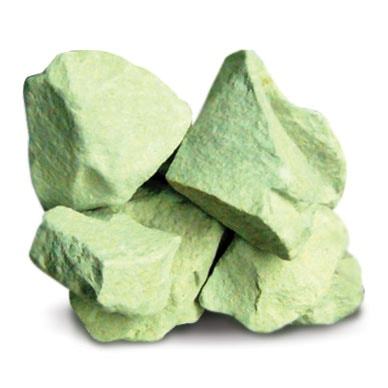
Description
Zeolite: The Amazing Molecular Sieve with a Thousand Uses
Zeolite. The name might not be familiar to everyone, but this unassuming material plays a crucial role in a surprisingly wide range of applications, from cleaning our water to refining our fuel. Often described as “molecular sieves” due to their unique structure, zeolites are crystalline aluminosilicates with a porous framework that allows them to selectively absorb or separate molecules based on their size and shape. This article explores the fascinating properties of zeolites and delves into some of their most important applications.
What are Zeolites? A Look at the Structure
Think of a honeycomb, but instead of wax, imagine a rigid, three-dimensional framework of aluminum, silicon, and oxygen atoms. This is the basic structure of zeolite. This framework creates intricate networks of pores and channels that are incredibly uniform in size. These pores are what give zeolites their unique abilities.
The size of these pores is incredibly precise, ranging from just a few angstroms (one angstrom is one ten-billionth of a meter). This allows zeolites to act as “molecular sieves,” selectively allowing certain molecules to pass through while blocking others. Think of it like a strainer, but on a molecular level.
Furthermore, zeolites often contain exchangeable cations (positively charged ions) like sodium, potassium, or calcium within their framework. These cations can be easily exchanged with other ions in a solution, adding another layer of versatility to the material.
Natural vs. Synthetic Zeolites
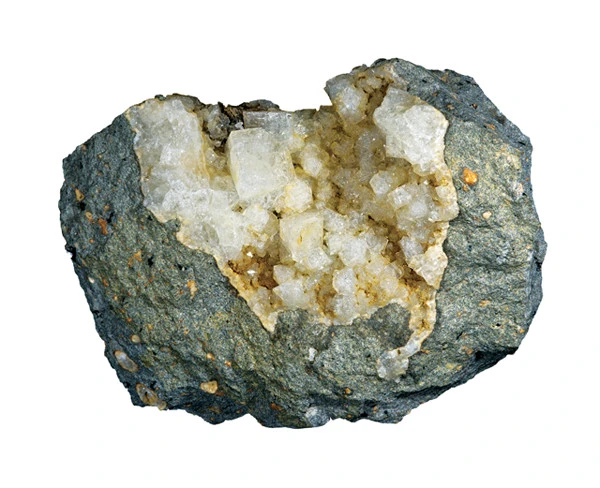
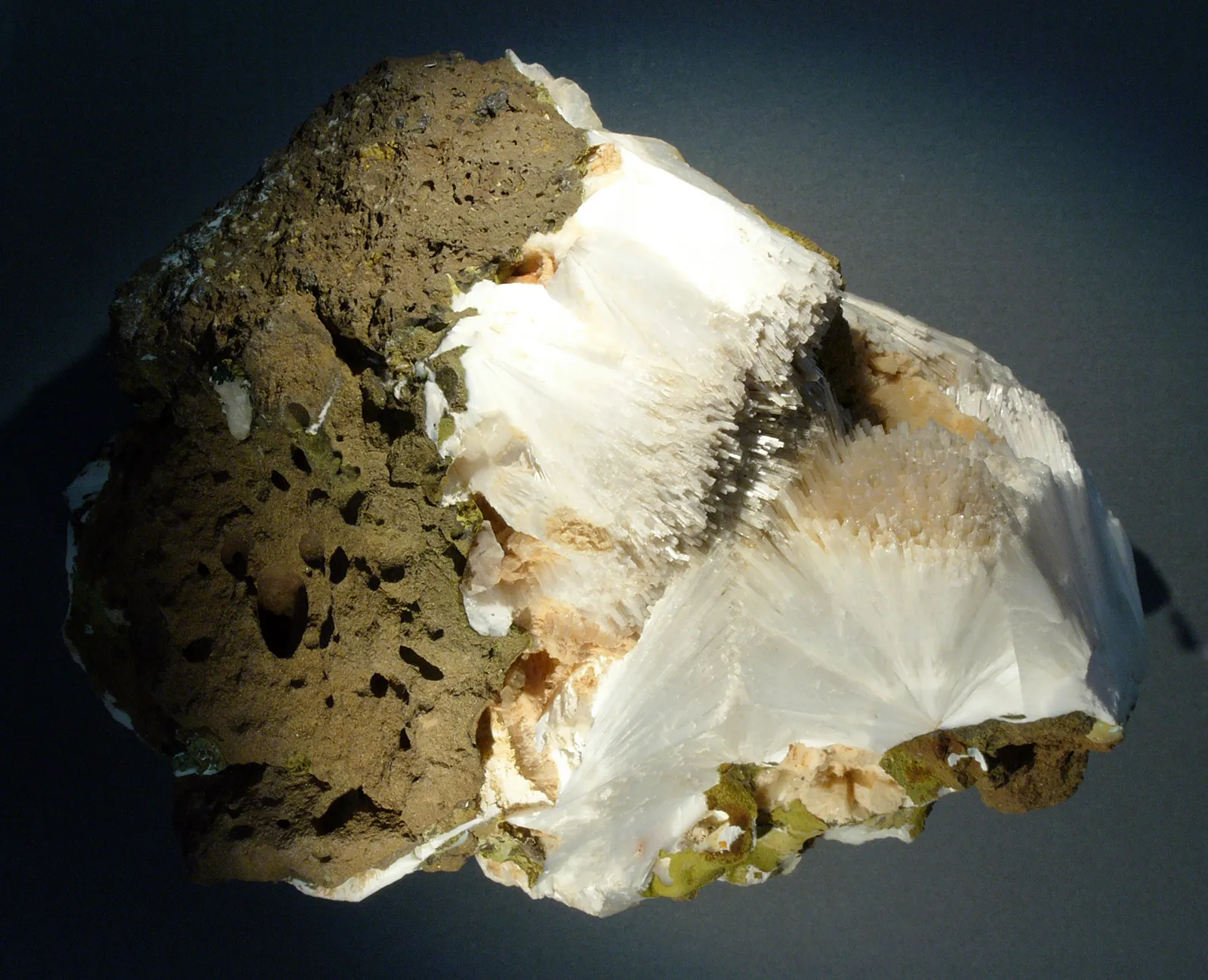
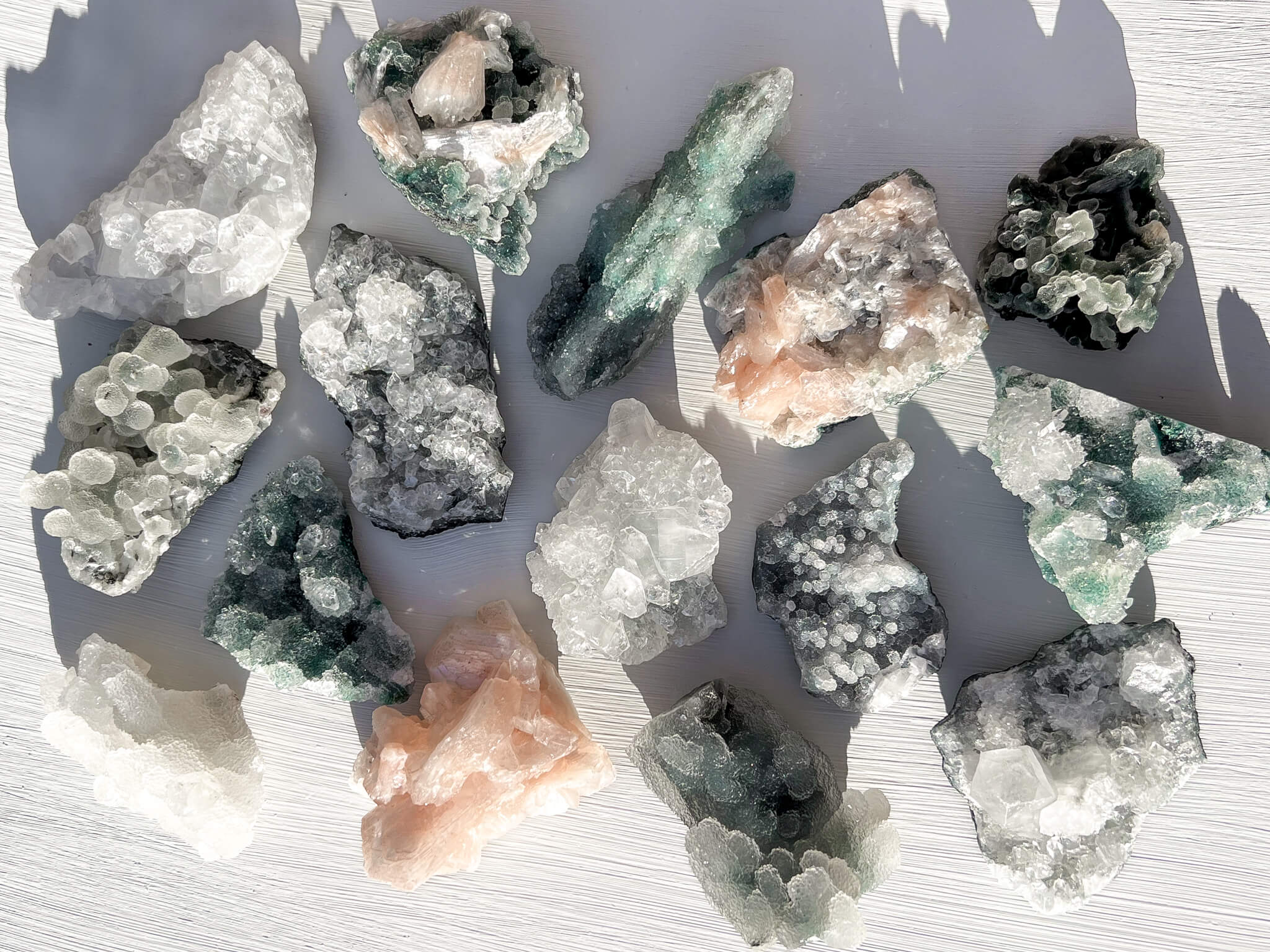
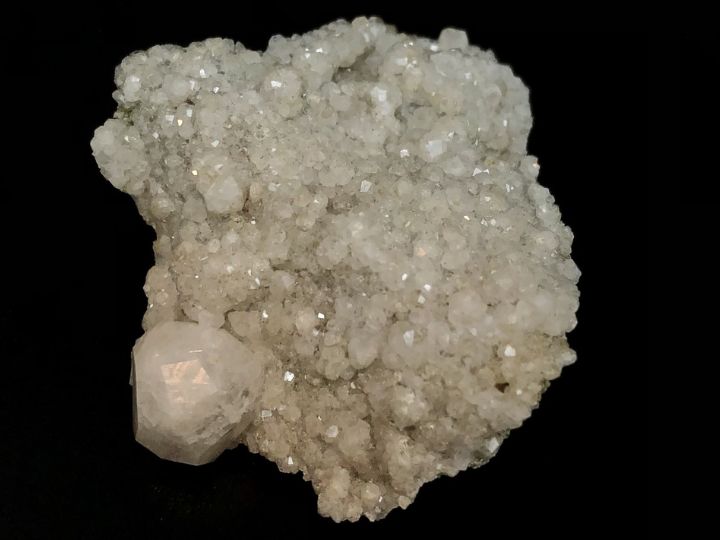
While zeolites can be found naturally, the majority used in industrial applications are synthetic. Natural zeolites are formed over millions of years through the reaction of volcanic rocks and ash with alkaline groundwater. However, their purity and pore size can vary significantly, making them less predictable for specific applications.
Synthetic zeolites, on the other hand, are manufactured under controlled conditions, allowing for precise control over their composition, pore size, crystal structure, and other properties. This allows researchers and engineers to tailor-make zeolites for specific tasks, maximizing their efficiency and effectiveness.
The Versatile Applications of Zeolite
The unique properties of zeolites have led to their widespread use in a diverse range of industries:
- Water Purification: Zeolites are highly effective at removing contaminants from water, including heavy metals, ammonia, and radioactive isotopes. Their porous structure allows them to trap these pollutants, leaving behind clean and safe drinking water. They are commonly used in water filters for both household and industrial applications.
- Detergents: Zeolites are added to laundry detergents as water softeners. They bind to calcium and magnesium ions, which are responsible for water hardness, preventing them from interfering with the detergent’s cleaning action. This helps to improve the effectiveness of the detergent and reduce the amount needed.
- Catalysis: Zeolites are widely used as catalysts in the petroleum refining and petrochemical industries. Their large surface area and unique pore structure provide an ideal environment for chemical reactions to occur. They can catalyze processes like cracking, isomerization, and alkylation, which are essential for producing gasoline, plastics, and other valuable chemicals.
- Agriculture: Zeolites can improve soil quality and nutrient utilization in agriculture. They can retain water and nutrients, like nitrogen and potassium, and release them slowly to plants as needed. This reduces fertilizer runoff and improves crop yields.
- Nuclear Waste Management: Some zeolites have a remarkable ability to selectively adsorb radioactive isotopes, making them valuable in the treatment of nuclear waste. They can be used to remove radioactive contaminants from wastewater and to immobilize radioactive materials for long-term storage.
- Medical Applications: Researchers are exploring the use of zeolites in a variety of medical applications, including drug delivery, wound healing, and even cancer therapy. Their ability to selectively adsorb and release molecules makes them promising candidates for targeted drug delivery systems.
The Future of Zeolites
The research and development of new zeolites and their applications are ongoing. Scientists are constantly exploring ways to improve their performance, reduce their cost, and expand their use in new areas. From developing more efficient catalysts to creating novel materials for environmental remediation and medical applications, the potential of zeolites is vast and continues to be unlocked.
In conclusion, zeolites are a fascinating and versatile class of materials with a wide range of applications that impact our daily lives. From the water we drink to the fuel we use, zeolites play a silent but crucial role in making our world cleaner, safer, and more efficient. As researchers continue to unlock the secrets of these molecular sieves, we can expect to see even more innovative and impactful applications of zeolites in the future.


Reviews
There are no reviews yet.