
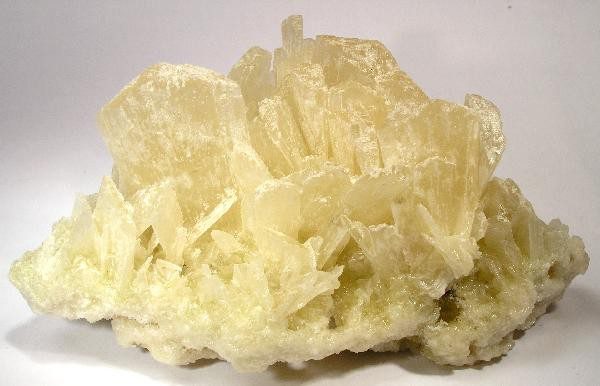
Description
Trona: A Humble Mineral with a Surprisingly Big Impact
You might not have heard of trona, but this unassuming mineral plays a vital role in numerous industries, from manufacturing glass to producing detergents and even baking soda. While it may not be as glamorous as gold or diamonds, trona’s abundance and versatility make it a cornerstone of modern life.
What is Trona?
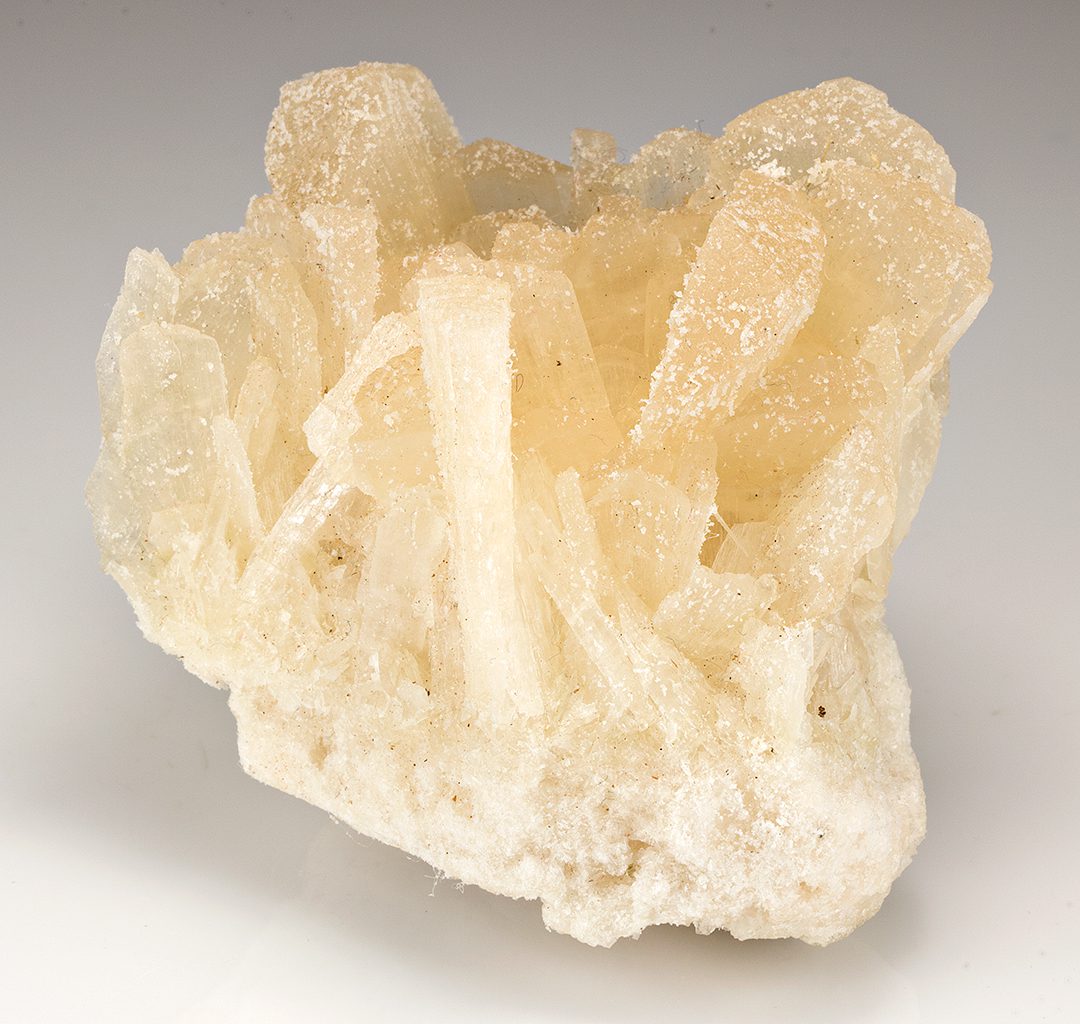
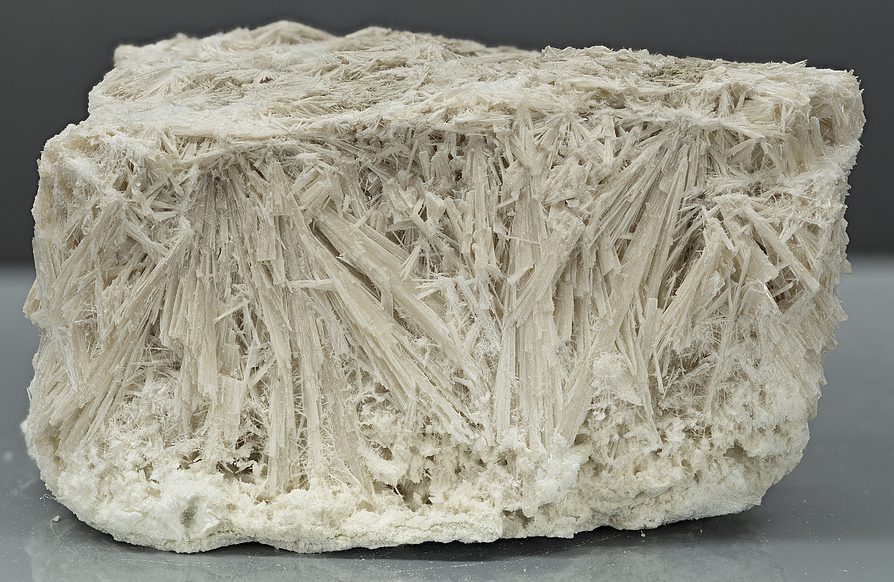
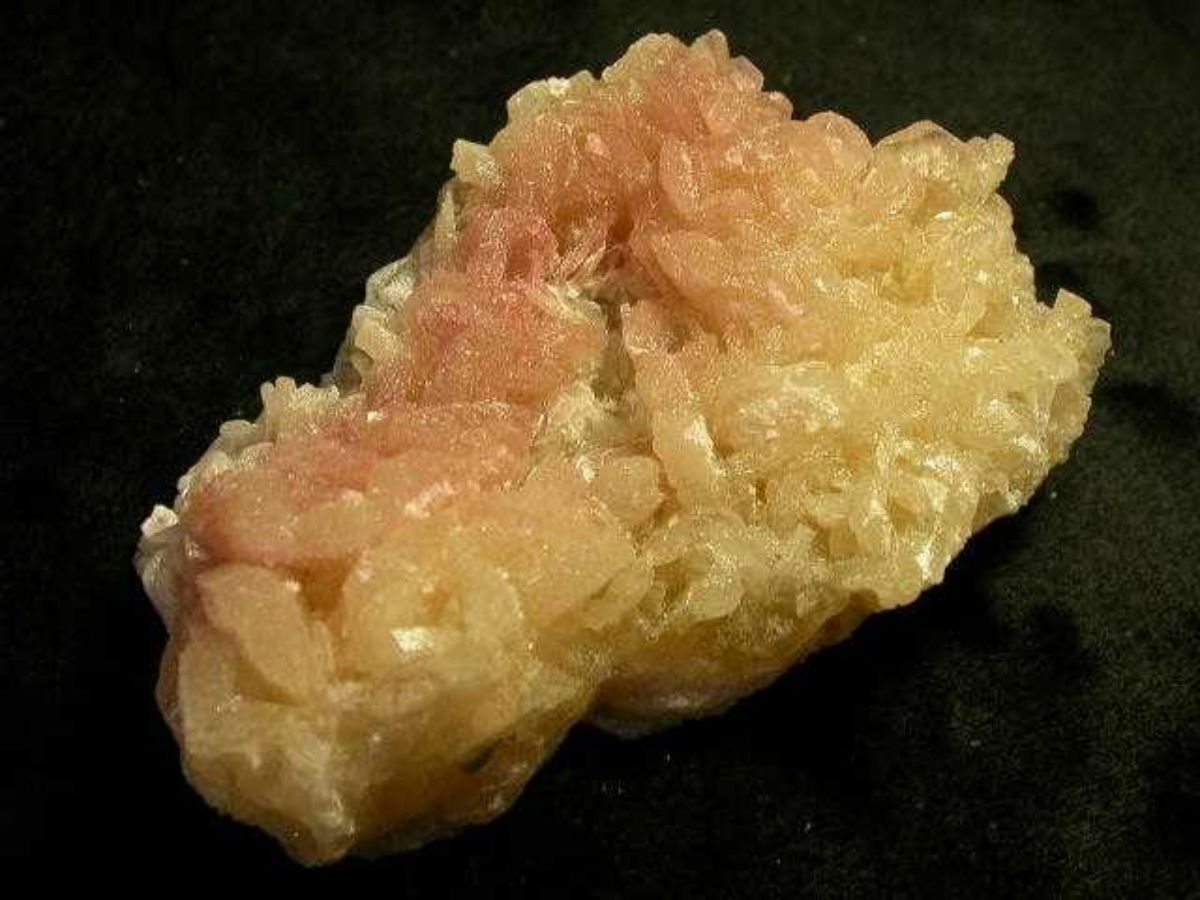
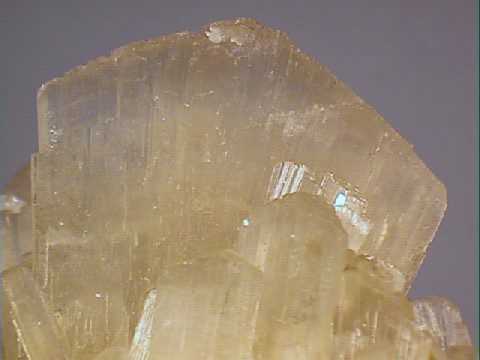
Trona is a sodium carbonate mineral (Na₃(CO₃)(HCO₃)·2H₂O). Its name likely originates from the Arabic word “natrun,” which refers to naturally occurring sodium carbonate. It’s typically found in dry lake beds and evaporite deposits, often alongside other minerals like halite (table salt) and borax. Visually, trona usually appears as a yellowish-white or gray crystalline solid.
Where is Trona Found?
While trona can be found in various locations worldwide, the largest and most commercially significant deposit is located in the Green River Basin of Wyoming, USA. This vast deposit holds an estimated 40 billion tons of trona, enough to supply the United States for centuries. Other notable deposits exist in California, Egypt, Turkey, and Kenya.
From Ore to Industry: Trona’s Diverse Applications
Trona ore is mined using both underground and surface mining methods. Once extracted, it undergoes a refining process to produce soda ash, a compound with a wide array of applications. Here are some of the most important uses of trona-derived soda ash:
- Glass Manufacturing: Soda ash is a crucial ingredient in glassmaking, acting as a flux to lower the melting point of silica sand and improve the workability of the glass. From windows and bottles to fiber optics, soda ash derived from trona is essential for this ubiquitous material.
- Detergents and Soaps: As a water softener and pH adjuster, soda ash is incorporated into laundry detergents, soaps, and other cleaning products. It helps improve the effectiveness of these products by neutralizing acidic components and enhancing their cleaning power.
- Chemical Manufacturing: Soda ash serves as a key raw material in the production of various chemicals, including sodium bicarbonate (baking soda), sodium silicates, and phosphates. These chemicals are further used in a wide range of applications, from food processing to pharmaceuticals.
- Pulp and Paper Industry: Soda ash is used in the kraft pulping process to break down wood fibers and separate cellulose, the main component of paper. It also helps to neutralize acidic compounds produced during the process.
- Water Treatment: Soda ash can be used to raise the pH of acidic water, making it suitable for drinking and industrial purposes.
Benefits of Trona Mining:
Compared to manufacturing synthetic soda ash from salt and limestone, mining trona offers several advantages:
- Lower Energy Consumption: Mining and processing trona generally requires less energy compared to synthetic production, resulting in a smaller carbon footprint.
- Reduced Waste: Trona mining typically produces less waste and byproducts than synthetic methods.
- Cost-Effectiveness: The abundance of trona and the relatively simple extraction and refining process make it a cost-effective source of soda ash.
Looking Ahead:
As global demand for glass, detergents, and other soda ash-dependent products continues to grow, trona will remain a crucial resource. Sustainable mining practices and efficient processing technologies will be essential to ensure the long-term availability and responsible use of this valuable mineral.
In conclusion, trona, though rarely recognized, plays a vital role in countless aspects of our daily lives. From the windows we look through to the cleaning products we use, this humble mineral is a cornerstone of modern industry and a testament to the importance of natural resources.


Reviews
There are no reviews yet.