
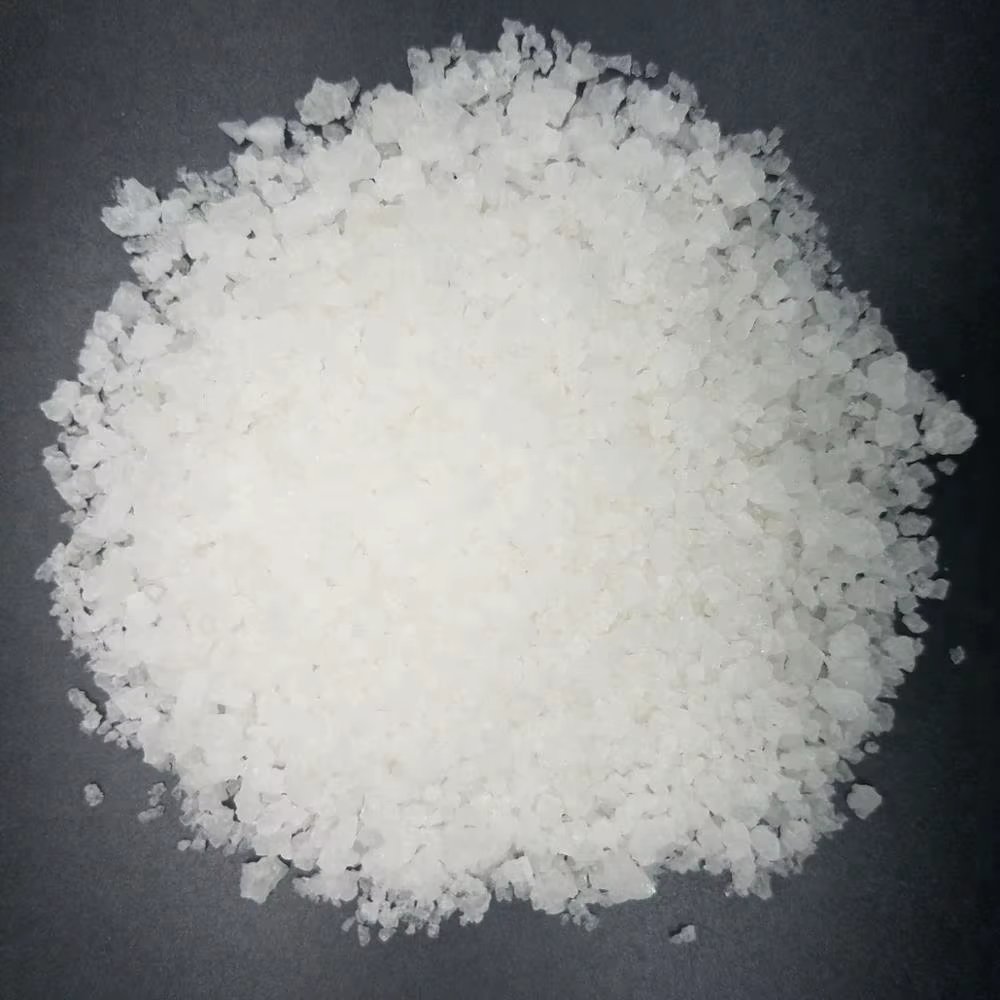

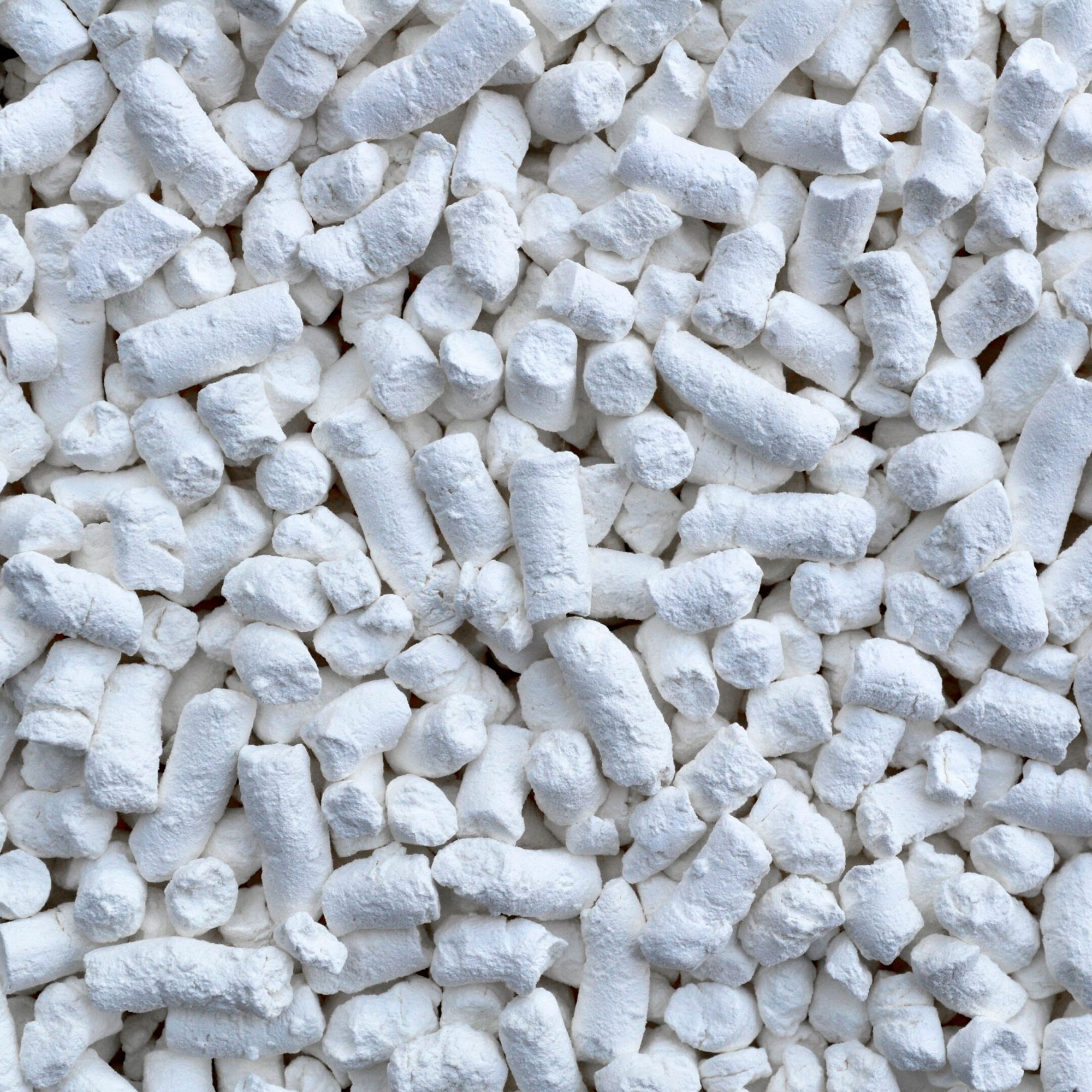
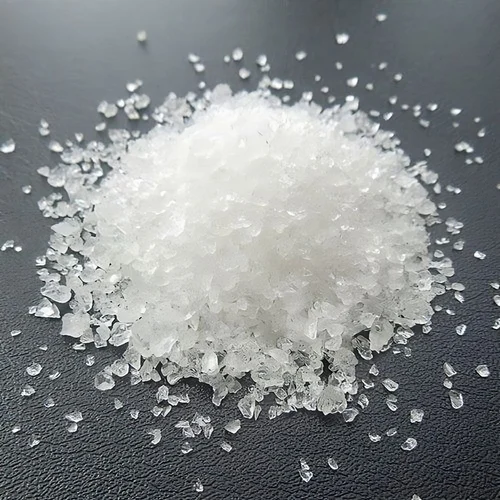
Description
Superabsorbent Polymer Precursors: The Essential Building Blocks of Hyper-Absorption
In a world increasingly reliant on materials that perform extraordinary feats, Superabsorbent Polymers (SAPs) stand out as true marvels. From keeping babies dry in diapers to revolutionizing agricultural water management, these “smart” materials possess an unparalleled ability to absorb and retain hundreds of times their own weight in liquid. But what gives SAPs their incredible “thirst”? The answer lies in their unsung heroes: the superabsorbent polymer precursors.
What are Superabsorbent Polymers (SAPs)?
Before diving into precursors, let’s briefly understand SAPs. At their core, SAPs are cross-linked polymer networks – essentially microscopic sponges – that can hold vast amounts of aqueous solutions without dissolving. When they come into contact with water, their polymer chains swell, forming a hydrogel that locks the liquid within its molecular structure. This makes them indispensable in products like:
- Hygiene products: Diapers, feminine hygiene products, adult incontinence products.
- Agriculture: Water retention for crops, soil conditioning.
- Medical: Wound dressings, drug delivery systems.
- Industrial: Cable water blocking, spill control, construction materials.
The Role of Precursors: Building Blocks of Absorption
Think of SAPs as intricate Lego structures. The “bricks” that make up these structures are the precursors. In polymer chemistry, precursors are typically monomers – small molecules that can chemically bond together in a repetitive manner to form long chains, or polymers. The choice and combination of these monomers, along with other additives, dictate the final SAP’s properties: its absorption capacity, rate, strength, and even its biodegradability.
Key Precursors in Focus:
While many different monomers (and combinations) can be used to create SAPs, a few dominate the landscape due to their cost-effectiveness and performance:
- Acrylic Acid (AA): The Undisputed King
- Dominance: By far the most common monomer used in commercial SAP production, particularly for hygiene applications.
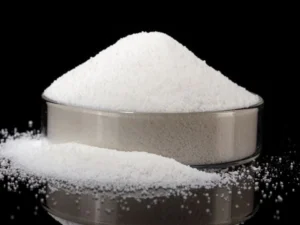
- Transformation: When acrylic acid polymerizes and is then neutralized (usually with sodium hydroxide), it forms sodium polyacrylate. This is the workhorse SAP that powers most disposable diapers.
- Mechanism: The carboxylic acid groups (-COOH) in acrylic acid, once neutralized into carboxylate groups (-COO-Na+), become highly hydrophilic (water-attracting). These negative charges repel each other, pushing the polymer chains apart and allowing water to rush in.
- Acrylamide (AAm) and its Derivatives:
- Historically used, especially in agricultural and industrial SAPs. However, due to concerns about residual acrylamide monomer (a neurotoxin), its use in personal hygiene products has significantly decreased.
- Derivatives like 2-acrylamido-2-methylpropane sulfonic acid (AMPS) are gaining traction. AMPS-based SAPs are known for their excellent salt tolerance, making them suitable for applications where saline solutions are present (e.g., certain medical uses or oilfield applications).
- Vinyl Alcohol (VA):
- Polyvinyl alcohol (PVA) can be cross-linked to form SAPs. These often exhibit good biodegradability compared to their acrylic counterparts, making them attractive for specialized environmental applications.
Beyond the Monomer: The Crucial Support Crew
The monomer isn’t the only critical precursor. To create a functional, durable SAP, two other types of “precursors” are essential:
- Crosslinkers: These are molecules that form covalent bonds between different polymer chains. Without crosslinkers, the polymer would dissolve entirely when it absorbs water, becoming a sticky gel rather than a stable hydrogel. The degree of crosslinking directly impacts the SAP’s properties:
- Low crosslinking: Higher absorption capacity, but weaker gel strength.
- High crosslinking: Lower absorption capacity, but stronger gel strength.
- Common crosslinkers include N,N’-methylenebisacrylamide (MBAA) or various polyfunctional acrylates.
- Initiators: These compounds kick-start the polymerization reaction, converting the monomers into long polymer chains. They typically work by generating free radicals under specific conditions (heat, UV light).
The Polymerization Process: From Precursor to Product
The transformation of liquid precursors into a solid, superabsorbent polymer typically involves free-radical polymerization in different media:
- Solution Polymerization: Monomers are dissolved in water, reacted, and then the resulting gel is dried and ground into particles. This is the most common method for sodium polyacrylate.
- Suspension/Inverse Emulsion Polymerization: Monomers are dispersed as droplets in an oil phase, offering better control over particle size and shape.
The Future of SAP Precursors: Innovation and Sustainability
The field of SAP precursors is constantly evolving, driven by demands for enhanced performance, cost reduction, and, increasingly, environmental sustainability.
- Bio-based Precursors: A significant area of research involves developing SAPs from renewable resources like starch, cellulose, chitosan, and lignin. These offer the promise of biodegradability and a reduced carbon footprint, though challenges remain in matching the cost and performance of petrochemical-derived SAPs.
- Recycling and Degradation: While not precursors themselves, advancements in making SAPs more easily recyclable or more readily degradable after use are directly influencing the design and choice of future precursors.
- “Smart” Precursors: Researchers are exploring monomers that can respond to external stimuli (temperature, pH, light), leading to “smart” SAPs with tunable absorption/release properties for advanced applications like drug delivery or self-healing materials.
Conclusion
Superabsorbent polymers are a testament to the power of polymer chemistry, enabling everyday conveniences and advanced technological applications. Underlying their remarkable performance are the carefully selected and expertly processed precursors. From the ubiquitous acrylic acid to cutting-edge bio-based monomers, these essential building blocks dictate the molecular architecture that allows SAPs to perform their truly astonishing feat of hyper-absorption, shaping a more efficient and sustainable future.

Reviews
There are no reviews yet.