
Description
Ruthenium Chloride (RuCl₃): A Cornerstone in Catalysis and Advanced Materials Science
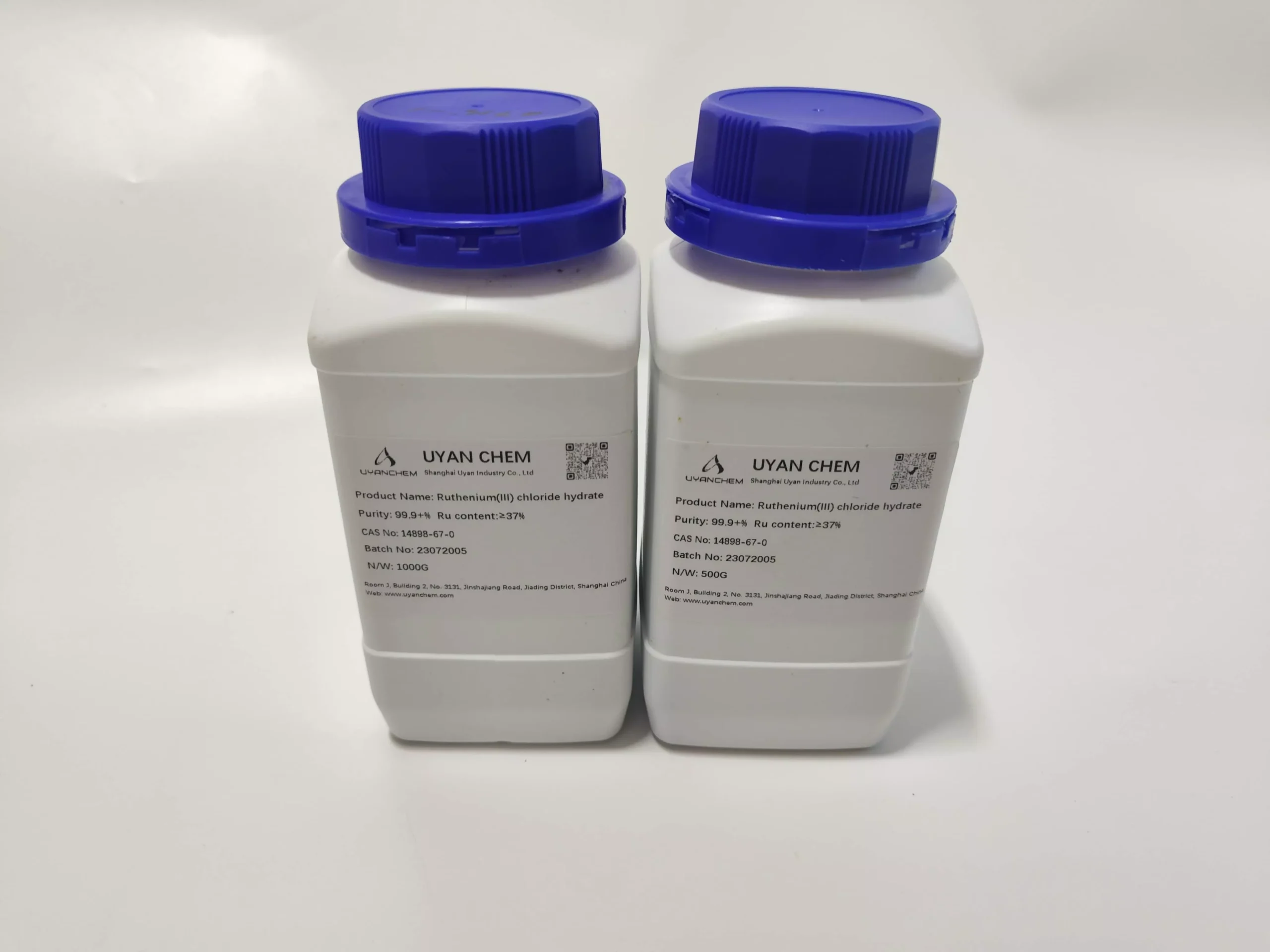
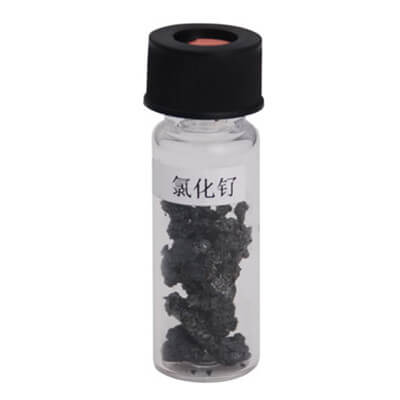
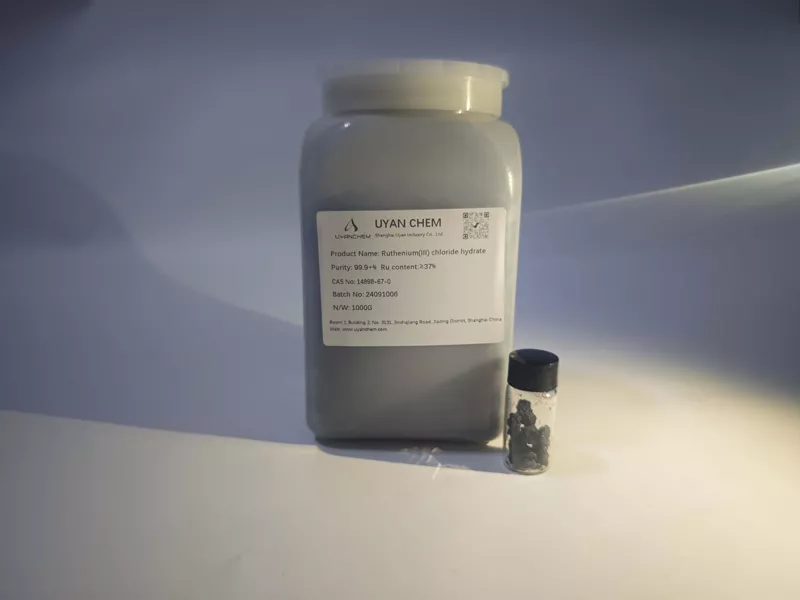
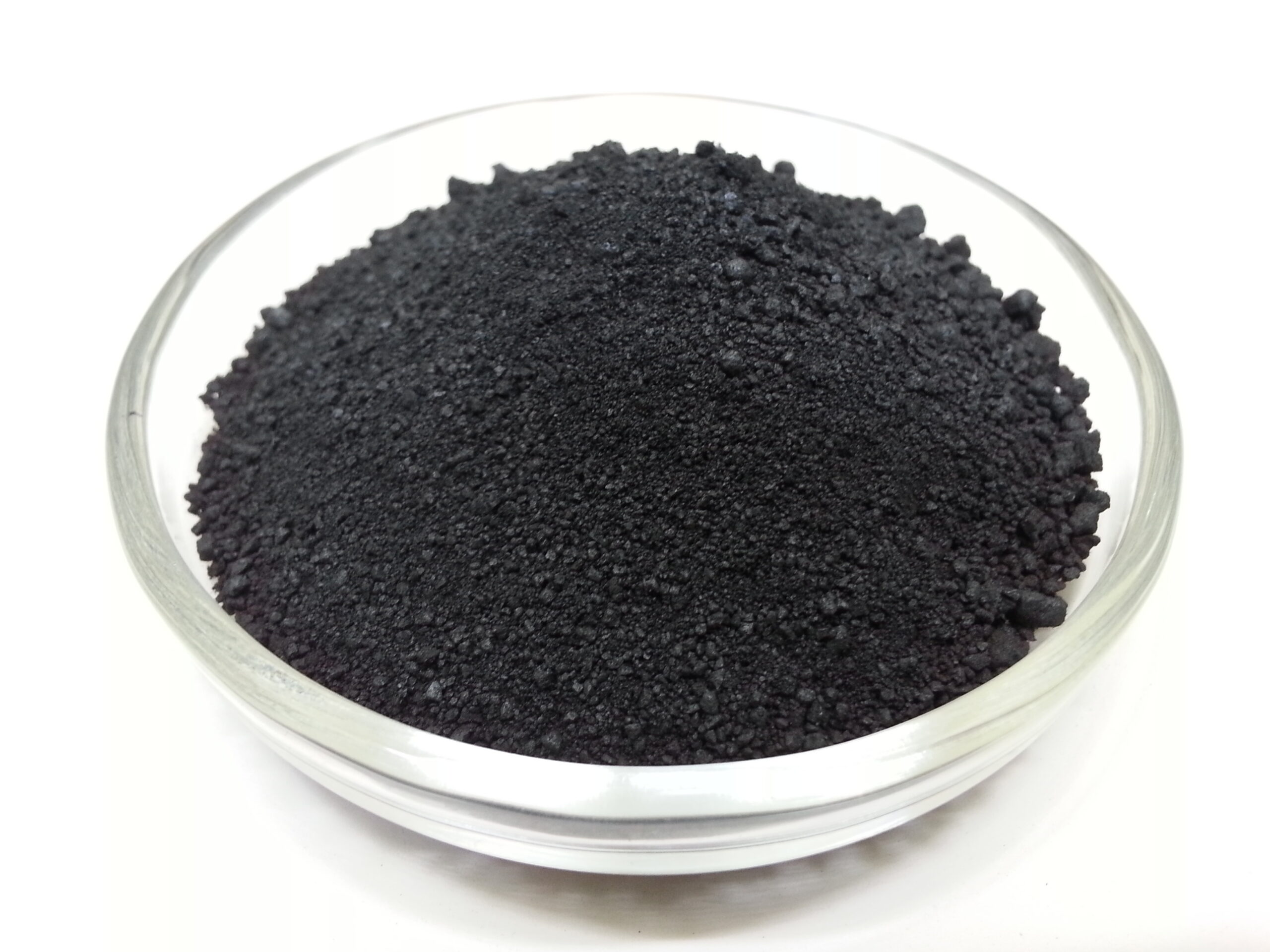
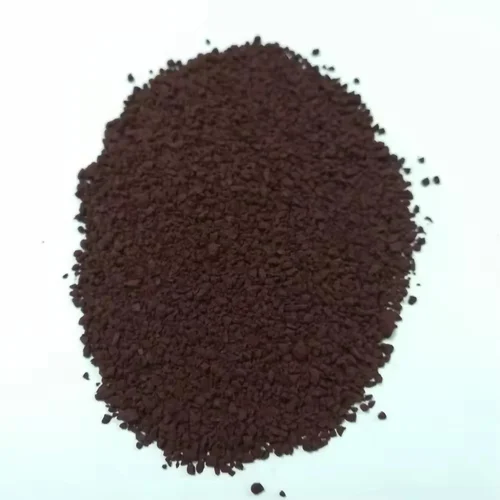
Ruthenium chloride (RuCl₃), with its deep red to black crystalline appearance, stands as a pivotal compound in the realm of inorganic chemistry, bridging fundamental research with cutting-edge applications. As the most common and commercially available precursor for a vast array of ruthenium-based compounds, RuCl₃ plays an indispensable role, particularly in the fields of catalysis and advanced materials.
Chemical Identity and Properties
Ruthenium (III) chloride, often encountered in its hydrated form (RuCl₃·nH₂O, where n is typically 1-3) due to its hygroscopic nature, features ruthenium in its +3 oxidation state. The anhydrous form is a dark-brown to black solid, while the hydrated forms can range from dark red to black. It is soluble in water, alcohols, and certain other organic solvents, making it highly versatile for various solution-based reactions. Its stability and reactivity are carefully balanced, allowing it to serve as an excellent starting material for synthesizing more complex ruthenium catalysts and complexes.
Synthesis
Anhydrous RuCl₃ is typically prepared by reacting ruthenium metal powder directly with chlorine gas at elevated temperatures (around 600-700 °C). The hydrated forms are more commonly produced by dissolving ruthenium compounds (like ruthenium oxide) in hydrochloric acid, followed by evaporation and crystallization. The commercial availability of the hydrated form makes it the primary compound used in laboratory and industrial settings.
Key Applications
The utility of ruthenium chloride stems primarily from the unique properties of ruthenium, a noble metal belonging to the platinum group. Its ability to exist in multiple oxidation states and form stable complexes makes it an excellent candidate for diverse chemical transformations.
- Catalysis: This is arguably the most significant application of RuCl₃. It serves as a direct catalyst or, more commonly, as a precursor for highly active ruthenium catalysts in:
- Hydrogenation and Dehydrogenation: Facilitating the addition or removal of hydrogen from organic molecules, crucial in pharmaceutical and fine chemical synthesis.
- Oxidation Reactions: Catalyzing the selective oxidation of various substrates, including alcohols and hydrocarbons.
- Olefin Metathesis: RuCl₃ is a foundational precursor for the groundbreaking Grubbs’ catalysts, which revolutionized organic synthesis by enabling the efficient rearrangement of carbon-carbon double bonds.
- Cross-Coupling Reactions: Used in various C-C, C-N, and C-O bond formations, though less commonly than palladium or nickel catalysts, ruthenium catalysts offer unique selectivity.
- Water Splitting and CO₂ Reduction: Emerging research explores ruthenium complexes derived from RuCl₃ for their potential in sustainable energy solutions, such as photocatalytic water splitting to produce hydrogen and the conversion of carbon dioxide into useful chemicals.
- Precursor in Inorganic and Organometallic Synthesis:
- RuCl₃ is the primary starting material for synthesizing a vast array of other ruthenium coordination compounds and organometallic complexes. These include famous compounds like ruthenium bipyridine complexes (e.g., Ru(bpy)₃²⁺), known for their photophysical properties and use in dye-sensitized solar cells, and various ruthenium carbonyls and phosphine complexes.
- Materials Science:
- Thin Films: Ruthenium chloride is used as a precursor for the chemical vapor deposition (CVD) or atomic layer deposition (ALD) of thin ruthenium films. These films find applications in advanced microelectronics, particularly as diffusion barriers, gate electrodes in transistors, and in magnetic random-access memory (MRAM) due to ruthenium’s low resistivity and good adhesion properties.
- Nanoparticles: It’s a common source for synthesizing ruthenium nanoparticles, which exhibit enhanced catalytic activity and unique physical properties due to their high surface area.
- Electrodes: Ruthenium compounds, often derived from RuCl₃, are incorporated into electrode materials for supercapacitors, fuel cells, and electrolyzers due to their excellent electrical conductivity and electrochemical stability.
- Biomedical Research (Emerging):
- While still largely exploratory, ruthenium complexes are being investigated for potential biomedical applications, particularly as anti-cancer agents. Ruthenium offers advantages over platinum-based drugs like cisplatin, including different mechanisms of action and potentially reduced side effects. RuCl₃ serves as an initial building block for many of these experimental drug candidates.
Safety and Handling
Ruthenium chloride, like many heavy metal compounds, should be handled with care. It is considered toxic by ingestion and inhalation, and can be irritating to the skin and eyes. Appropriate personal protective equipment (PPE), including gloves, safety goggles, and a fume hood, should always be used when working with this compound. Proper disposal procedures for hazardous waste must be followed.
Conclusion
Ruthenium chloride (RuCl₃) exemplifies a compound whose apparent simplicity belies its profound importance. As a versatile and accessible precursor, it stands at the forefront of innovation, continuously enabling the development of new catalysts, advanced materials, and even potential therapeutic agents. Its ongoing role in diverse research and industrial applications solidifies its position as a cornerstone in modern chemistry, promising further breakthroughs in energy, environmental, and health sciences.



Reviews
There are no reviews yet.