
Description
Polystyrene (PS): A Versatile Material with a Complex Legacy
Polystyrene (PS), a ubiquitous polymer found in everything from disposable cups to insulation, holds a significant place in modern industry and everyday life. Its versatility and cost-effectiveness have made it a popular choice for numerous applications. However, its environmental impact continues to be a subject of debate and innovation.
Understanding Polystyrene’s Properties:
Polystyrene is a synthetic aromatic polymer made from the monomer styrene, derived from petroleum. Its key properties make it a compelling material for a diverse range of uses:
- Lightweight: PS is remarkably light, contributing to fuel efficiency in transportation applications and ease of handling in packaging.
- Versatile Forms: It can exist in several forms:
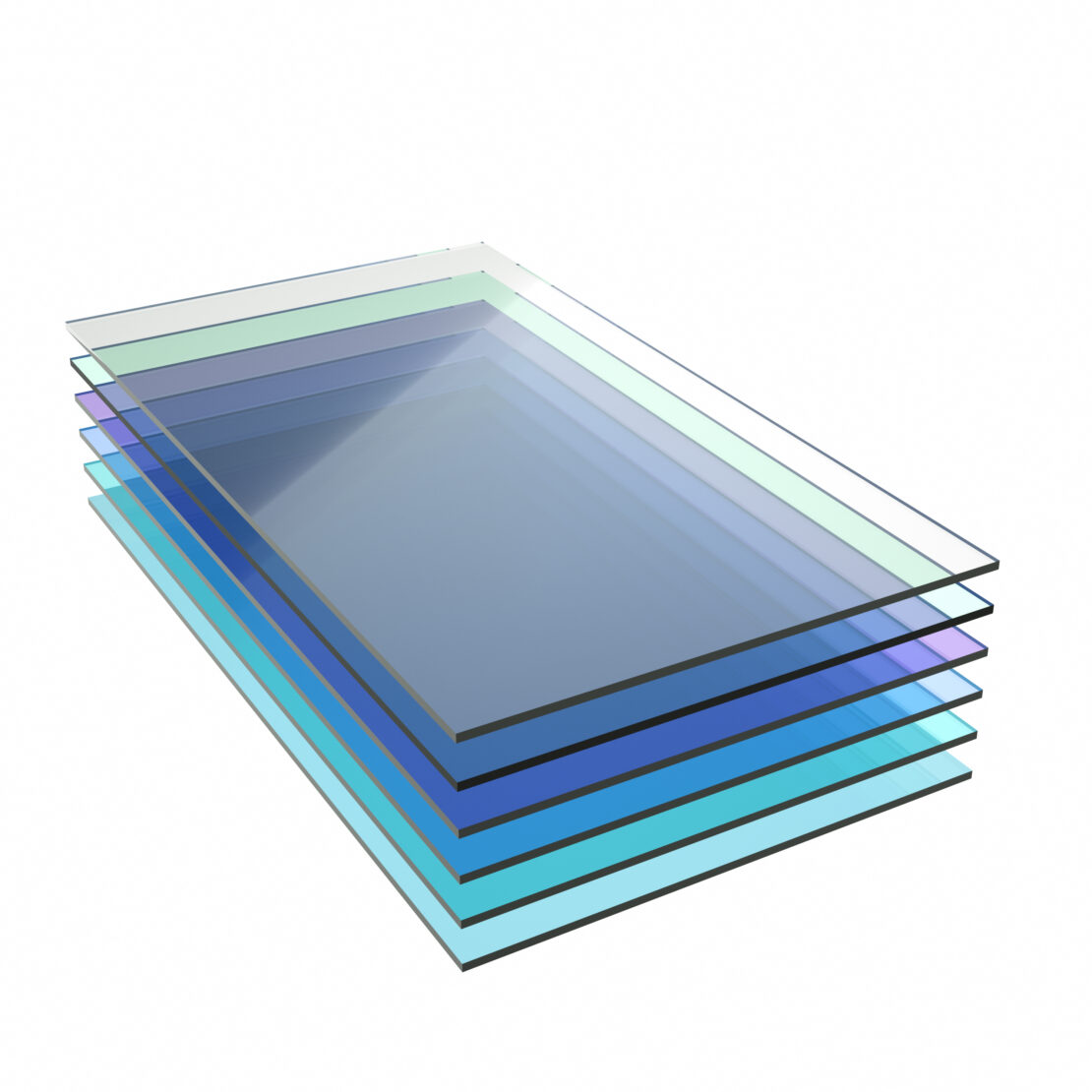
- General Purpose Polystyrene (GPPS): A clear, rigid, and brittle plastic often used for food containers, CD cases, and packaging.
- High Impact Polystyrene (HIPS): Modified with butadiene rubber to improve its impact resistance, HIPS is often used in appliance housings, toys, and automotive parts.
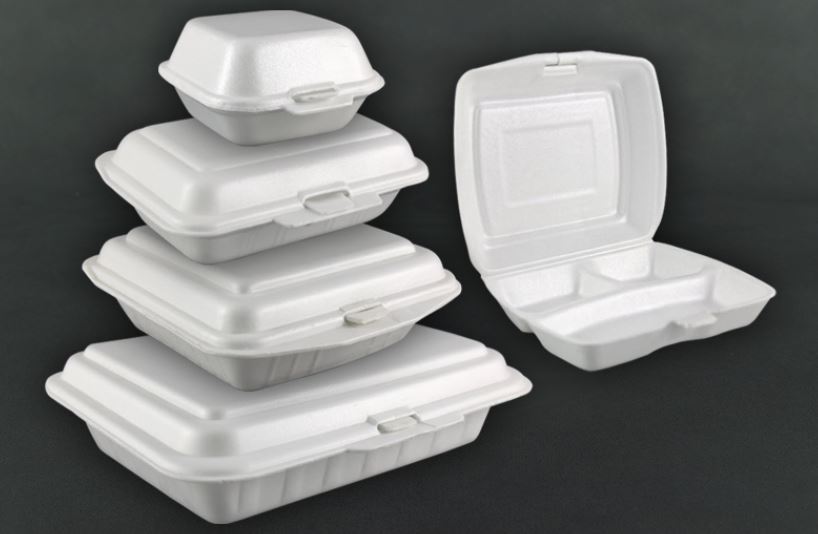
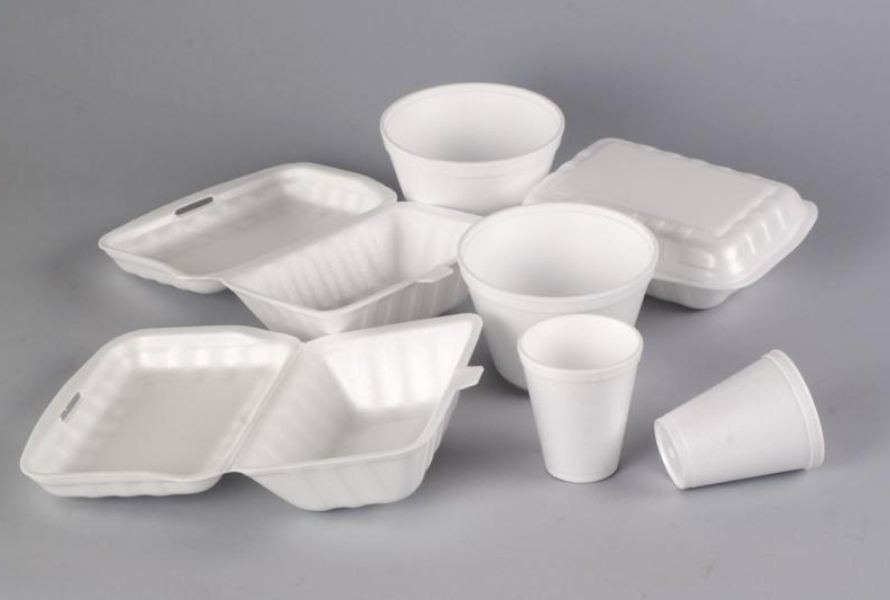
- Expanded Polystyrene (EPS): A foamed plastic containing air-filled cells, EPS is valued for its excellent thermal insulation properties and is commonly used in building insulation, packaging for fragile goods, and disposable food containers like coffee cups.
- Extruded Polystyrene (XPS): Another form of foamed PS, XPS offers higher density and water resistance than EPS, making it ideal for insulation in construction and specialty packaging.
- Moldability: PS can be easily molded into intricate shapes, allowing for the creation of complex designs and customized packaging solutions.
- Cost-Effective: Compared to many other polymers, PS is relatively inexpensive to produce, making it an attractive option for mass-produced items.
Wide-Ranging Applications:
Polystyrene’s unique blend of properties has led to its widespread adoption across various industries:
- Packaging: Protecting food, electronics, and other products during transportation.
- Construction: Providing thermal insulation in walls, roofs, and floors.
- Food Service: Forming disposable cups, plates, and containers for takeout food.
- Electronics: Housing components in appliances, computers, and other electronic devices.
- Automotive: Contributing to interior components and structural parts.
- Medical: Used in some medical devices and laboratory equipment.
The Environmental Dilemma:
Despite its benefits, polystyrene faces significant environmental challenges:
- Non-Biodegradability: PS is highly resistant to natural decomposition, persisting in the environment for centuries.
- Litter and Waste Management: Its lightweight nature makes it prone to becoming litter, contributing to pollution of waterways and landscapes.
- Recycling Challenges: While technically recyclable, PS recycling rates are low due to logistical challenges, contamination issues, and limited infrastructure.
- Styrene Monomer Concerns: Although generally considered safe in its polymerized form, the styrene monomer is classified as a possible human carcinogen, raising concerns about potential exposure during manufacturing and disposal.
Addressing the Challenges: A Path Towards Sustainability:
Efforts are underway to mitigate the environmental impact of polystyrene:
- Improved Recycling Infrastructure: Investment in collection, sorting, and processing technologies is crucial for increasing PS recycling rates.
- Advanced Recycling Techniques: Chemical recycling, which breaks down PS into its constituent monomers for reuse, offers a promising solution for diverting waste from landfills.
- Biodegradable Alternatives: Research and development of bio-based and biodegradable alternatives to PS are gaining momentum, though challenges remain in terms of cost and performance.
- Extended Producer Responsibility (EPR): Policies that hold manufacturers responsible for the end-of-life management of their products can incentivize more sustainable practices.
- Consumer Education and Awareness: Promoting responsible consumption and proper disposal of PS can contribute to reducing litter and increasing recycling rates.
Conclusion:
Polystyrene remains a valuable material with a wide range of applications. However, acknowledging and addressing its environmental challenges is critical. By investing in improved recycling infrastructure, exploring innovative recycling techniques, and developing sustainable alternatives, we can work towards a future where the benefits of polystyrene can be enjoyed without compromising the health of our planet. The future of polystyrene hinges on our collective commitment to responsible innovation and sustainable practices.


Reviews
There are no reviews yet.