
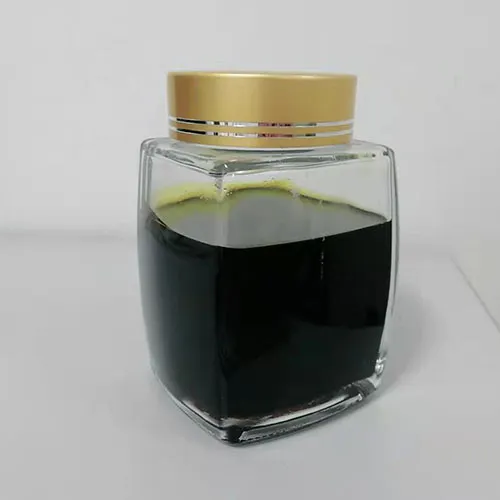
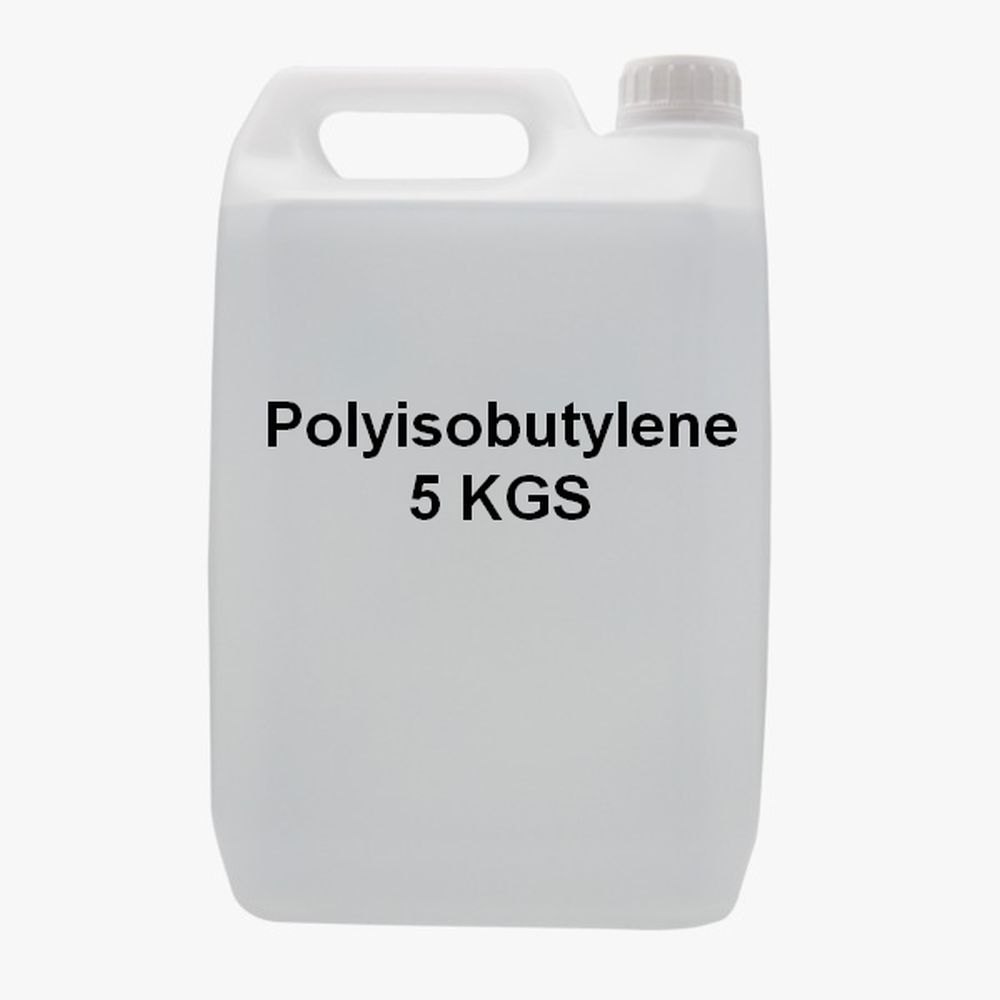
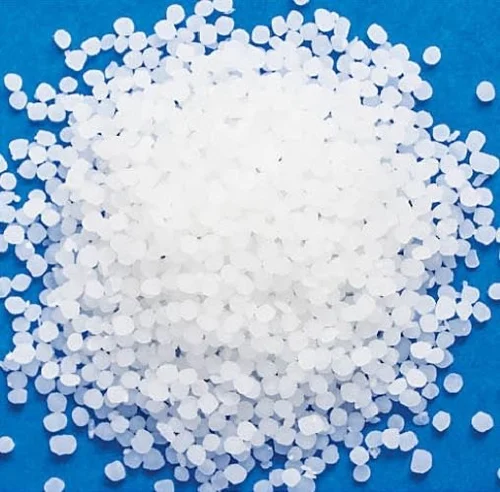
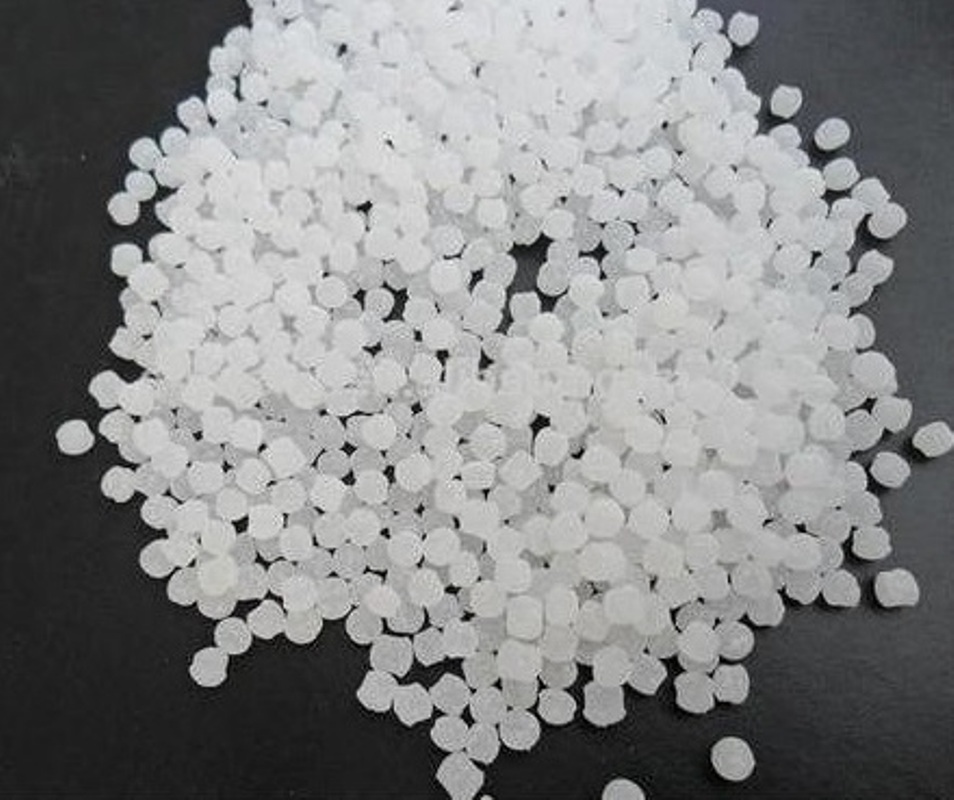
Description
Here is a professional blog post centered on Polyisobutylene (PIB), designed for an industrial, chemical, or manufacturing audience.
The Invisible Workhorse: Understanding the Power of Polyisobutylene (PIB)
In the world of polymer science, some materials grab the headlines for their groundbreaking novelty, while others quietly keep the modern world running. Polyisobutylene (PIB) falls firmly into the latter category.
Though you may not hear its name in daily conversation, PIB is an essential component in everything from the tires on your car to the sealants in your windows and even the gum in your pocket. As a versatile synthetic rubber, its unique chemical properties make it indispensable across dozens of industries.
In this post, we’ll explore what makes Polyisobutylene so special, its diverse applications, and why it remains a cornerstone of modern manufacturing.
The “Superpowers” of PIB: Key Properties
Why do engineers and chemists reach for PIB over other polymers? It comes down to four critical traits:
1. Exceptional Impermeability
PIB is famous for its “air-tightness.” It has the lowest gas permeability of any synthetic rubber. This makes it the gold standard for applications where containing air or moisture is critical.
2. Thermal and Chemical Stability
Because it is chemically inert, PIB doesn’t easily break down when exposed to heat, acids, or alkalis. It maintains its flexibility even at extremely low temperatures, where other rubbers might become brittle.
3. Electrical Insulation
PIB is an excellent dielectric material. It does not conduct electricity, making it a preferred choice for insulating high-voltage cables and electronic components.
4. Adhesive and Cohesive Strength
Its natural tackiness makes it a primary ingredient in many high-performance adhesives and sealants, providing a bond that stays flexible over time.
Where Do We Use Polyisobutylene?
The versatility of PIB means it is utilized in a surprising variety of sectors:
1. Automotive and Transportation
The most well-known use of PIB is in the inner liners of tires. Because PIB prevents air from leaking through the rubber, it allows tires to maintain pressure for longer periods, improving fuel efficiency and safety. It is also used as an additive in fuels and lubricants to prevent sludge buildup and improve viscosity.
2. Construction and Sealants
In the building industry, PIB is the “magic ingredient” in window sealants (specifically double-glazed units). Its moisture-resistant properties prevent fogging between glass panes and ensure long-term insulation.
3. Healthcare and Cosmetics
Because PIB is non-toxic and biocompatible, it is widely used in the medical field for transdermal patches (like nicotine patches) and wound dressings. In cosmetics, it acts as a thickening agent in lip glosses and creams, providing a smooth, water-resistant barrier.
4. Food Grade Applications
Believe it or not, you’ve likely chewed on PIB. Food-grade Polyisobutylene is a primary component of chewing gum base, providing the elastic, “chewy” texture that holds flavors together.
5. Adhesives and Protective Films
From “cling wrap” used in industrial packaging to the sticky backing on pressure-sensitive tapes, PIB provides the necessary “tack” without leaving behind a messy residue.
The Future of PIB: Sustainability and Innovation
As the manufacturing world shifts toward more sustainable practices, Polyisobutylene is evolving. Researchers are currently focusing on:
- Enhanced Recyclability: Developing more efficient ways to reclaim PIB from end-of-life tires and industrial waste.
- High-Purity Grades: Creating ultra-pure PIB for the next generation of medical implants and pharmaceutical packaging.
- Bio-based Feedstocks: Exploring ways to produce isobutylene from renewable biological sources rather than petroleum.
Conclusion
Polyisobutylene may not be a household name, but it is undoubtedly a household necessity. Its combination of gas impermeability, stability, and flexibility makes it an unmatched material in the chemical industry. Whether it’s ensuring your car tires stay inflated or keeping your food fresh, PIB is the silent partner in modern engineering.
Looking to source high-quality PIB for your next project? Understanding the molecular weight and grade required is the first step toward optimizing your product’s performance.
Stay tuned to our blog for more deep dives into the materials that shape our world.


Reviews
There are no reviews yet.