
Description
1. Product Overview
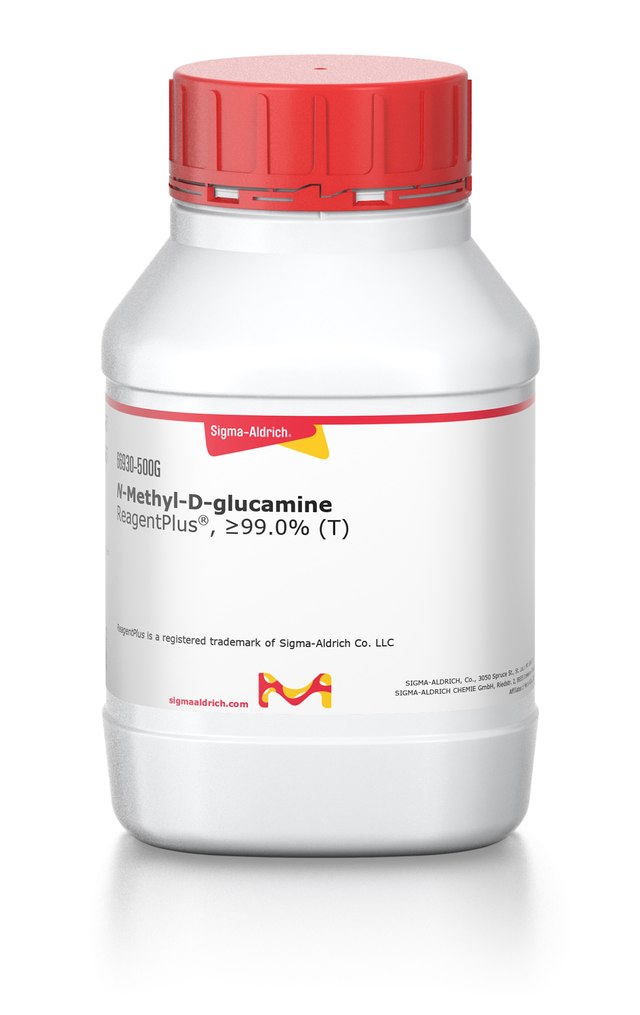
N-Methyl-D-Glucamine (NMDG) is a high-purity amino sugar derivative widely used as a buffering agent, pharmaceutical intermediate, and specialty chemical in advanced industrial applications. It is primarily utilized in pharmaceuticals, biotechnology, gas treatment formulations, and specialty surfactant production due to its excellent chelating, pH-regulating, and solubilizing properties. The key value proposition lies in its superior chemical stability, low toxicity profile, and high compatibility across sensitive formulations. Strategically, NMDG is an essential compound for high-value industries requiring precision chemistry, regulatory compliance, and consistent performance in critical applications.
2. Key Specifications & Technical Characteristics
- Chemical Composition:
- N-Methyl-D-Glucamine (C₇H₁₇NO₅)
- Derived from glucose and methylamine
- Free of heavy metals and controlled impurities (grade-dependent)
- Purity Level / Grade:
- ≥ 98–99% (industrial and pharmaceutical grade options available)
- High-purity grades suitable for regulated applications
- Certificate of Analysis (COA) provided per batch
- Physical Characteristics:
- Solid form (crystalline powder or flakes)
- Color: White to off-white
- Odor: Odorless to mild
- Highly water-soluble
- Hygroscopic under certain conditions
- Packaging Options:
- 25 kg fiber drums or multi-layer bags
- Bulk jumbo bags (500–1,000 kg)
- Customized packaging available upon request
- Shelf Life:
- Typically 24 months under dry, sealed storage conditions
- Store in cool, moisture-controlled environments
3. Core Industrial Applications
Primary Industries:
- Pharmaceutical and biotechnology
- Gas treatment and petrochemical processing
- Specialty chemicals and surfactants
- Water treatment and environmental engineering
- Electronics and precision manufacturing
Operational Use Cases:
- Buffering agent in pharmaceutical formulations and biologics
- Intermediate for X-ray contrast media and drug synthesis
- Acid gas scrubbing formulations (e.g., CO₂ and H₂S removal)
- Chelating and complexing agent in metal ion control systems
- Component in specialty surfactants and cleaning formulations
Performance & Cost Advantages:
NMDG offers superior buffering capacity and chemical stability compared to conventional amines, making it highly effective in sensitive and high-performance systems. Its low toxicity and excellent biocompatibility make it suitable for regulated industries, while its multifunctional properties reduce the need for multiple additives. This results in improved formulation efficiency, enhanced product performance, and optimized overall cost structures.
4. Competitive Advantages
- Quality Consistency: High-purity production with strict batch-to-batch quality control
- Supply Reliability: Scalable manufacturing with consistent global supply capability
- Logistics Capability: Flexible packaging and international shipping compliance
- Price Competitiveness: Optimized cost-performance ratio for high-value applications
- Sustainability Benefits: Derived from glucose-based feedstocks supporting greener chemistry
- Technical Documentation: Full regulatory support including COA, SDS, and application guidance
Positioned as a strategic specialty chemical, N-Methyl-D-Glucamine enables manufacturers to achieve superior formulation performance, regulatory compliance, and operational efficiency across pharmaceutical, chemical, and environmental applications.
5. Commercial & Supply Information
- Minimum Order Quantity (MOQ): BULK 20MT
- Loading Capacity (MT per container): Approximately 20–22 MT per 20’ container (depending on packaging configuration)


Reviews
There are no reviews yet.