
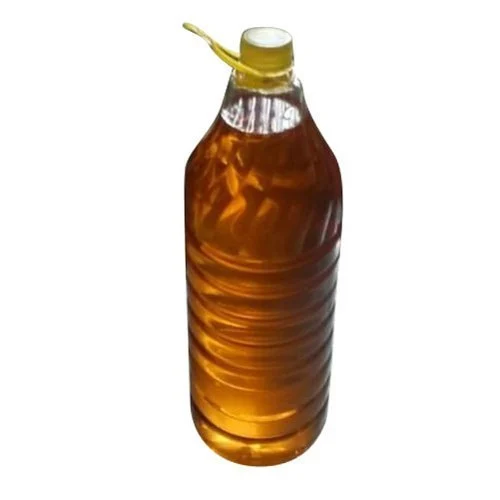
Description
Methacrylated Epoxidized Soybean Oil (MESO): Championing Sustainability in Advanced Materials
In the global push towards a more sustainable future, material scientists are increasingly looking beyond traditional petrochemicals for innovative solutions. Among the most promising bio-based alternatives to emerge is Methacrylated Epoxidized Soybean Oil (MESO). Derived from a readily renewable agricultural resource, MESO is gaining significant attention for its versatility, performance characteristics, and its potential to revolutionize industries ranging from coatings and adhesives to 3D printing and composites.
What is MESO? The Science Behind the Green Innovation
MESO’s name tells a story of its creation and function:
- Soybean Oil: The journey begins with humble soybean oil, a widely available and inexpensive natural triglyceride. Unlike petroleum, it’s a renewable resource, making it an inherently sustainable starting material.
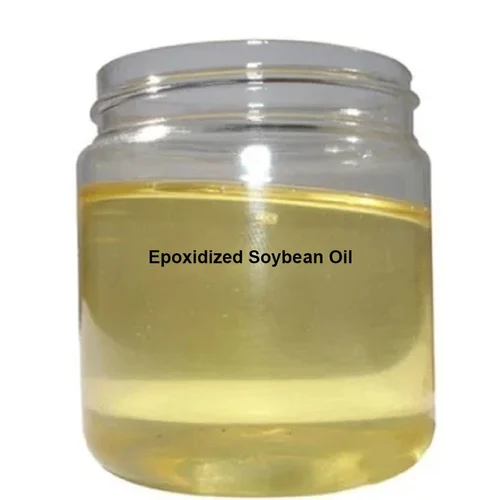
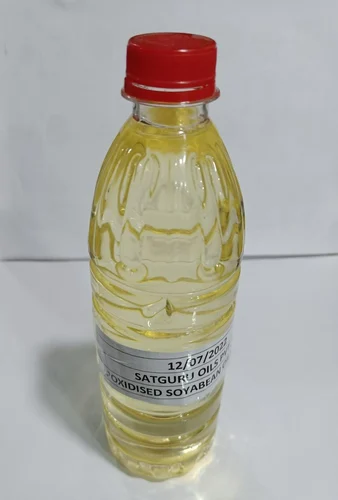
- Epoxidized Soybean Oil (ESO): The first chemical transformation involves epoxidation. This process converts the carbon-carbon double bonds present in the fatty acid chains of soybean oil into highly reactive three-membered epoxy (oxirane) rings. Epoxidized soybean oil (ESO) is already a commercially established product, widely used as a plasticizer and stabilizer in PVC. The epoxy groups provide sites for further chemical modification and contribute to compatibility and adhesion in various formulations.
- Methacrylated: The crucial step that transforms ESO into MESO is methacrylation. Here, methacrylate groups are introduced onto the epoxy rings. These groups contain carbon-carbon double bonds which are highly reactive to radical polymerization. This means MESO can be cured rapidly using ultraviolet (UV) light, electron beam (EB) radiation, or thermal initiators.
The result is a bio-based oligomer (a molecule made of a few repeating units) that combines the sustainability of natural oils with the fast-curing and high-performance properties typically associated with synthetic resins.
Advantages of MESO: A Bio-Based Powerhouse
MESO offers a compelling array of benefits, making it an attractive alternative to conventional materials:
- Sustainability: This is the primary driver. As a renewable, plant-derived material, MESO reduces reliance on fossil fuels, lowers the carbon footprint of manufactured goods, and often contributes to end-of-life biodegradability or compostability in certain applications.
- Low Volatile Organic Compounds (VOCs): Many traditional resins release harmful VOCs during curing. MESO and other UV-curable systems are often “100% solids,” meaning they cure without solvent evaporation, leading to significantly reduced emissions and a safer working environment.
- Rapid Curing: The methacrylate groups enable extremely fast curing times, especially with UV light. This translates to higher production speeds, lower energy consumption, and reduced manufacturing costs in many industrial processes.
- Tunable Properties: The degree of epoxidation and methacrylation can be precisely controlled during synthesis, allowing manufacturers to tailor MESO’s properties (viscosity, hardness, flexibility, chemical resistance) to meet specific application requirements.
- Good Adhesion: The inherent polarity and chemical structure of MESO often provide excellent adhesion to a variety of substrates.
- Cost-Effectiveness: While initial research may involve higher costs, the widespread availability and low cost of soybean oil as a feedstock can make MESO a cost-competitive option compared to some specialized petrochemical-based resins, particularly as production scales up.
Key Applications of MESO
MESO’s unique combination of properties opens doors to a wide range of applications:
- UV-Curable Coatings and Inks: Its fast curing and low VOCs make it ideal for high-performance coatings on wood, plastics, metals, and for printing inks, offering excellent scratch resistance, gloss, and durability.
- 3D Printing Resins (SLA/DLP): MESO is a promising component in photo-curable resins for stereolithography (SLA) and digital light processing (DLP) 3D printing. It contributes to good resolution, mechanical strength, and reduced environmental impact compared to purely petroleum-based resins.
- Adhesives: Its tunable adhesion and curing properties make it suitable for various adhesive formulations, especially those requiring rapid bonding and good mechanical strength.
- Composites: As a bio-based resin matrix, MESO can be combined with natural fibers (e.g., flax, hemp) or synthetic fibers to create sustainable and high-performance composite materials for industries like automotive, construction, and sporting goods.
- Encapsulation: Its protective properties and chemical resistance lend themselves to applications like electronic encapsulation and protective layers.
Challenges and Future Outlook
While MESO holds immense promise, challenges remain. Achieving properties that perfectly match or exceed established petrochemical counterparts in every single aspect (e.g., very high thermal stability or extreme impact strength) sometimes requires careful formulation with co-monomers or fillers. Scalability of production and consistent supply chains also need further development for widespread adoption.
However, ongoing research is constantly improving MESO’s performance, exploring new synthetic routes, and identifying novel applications. As the demand for sustainable materials continues to grow, Methacrylated Epoxidized Soybean Oil is poised to become a cornerstone of green chemistry and advanced materials, contributing significantly to a more environmentally responsible industrial landscape. MESO isn’t just a chemical; it’s a testament to the power of biomimicry and responsible innovation.


Reviews
There are no reviews yet.