


Description
Lithium Hexafluorophosphate: The Critical Component Driving Modern Batteries
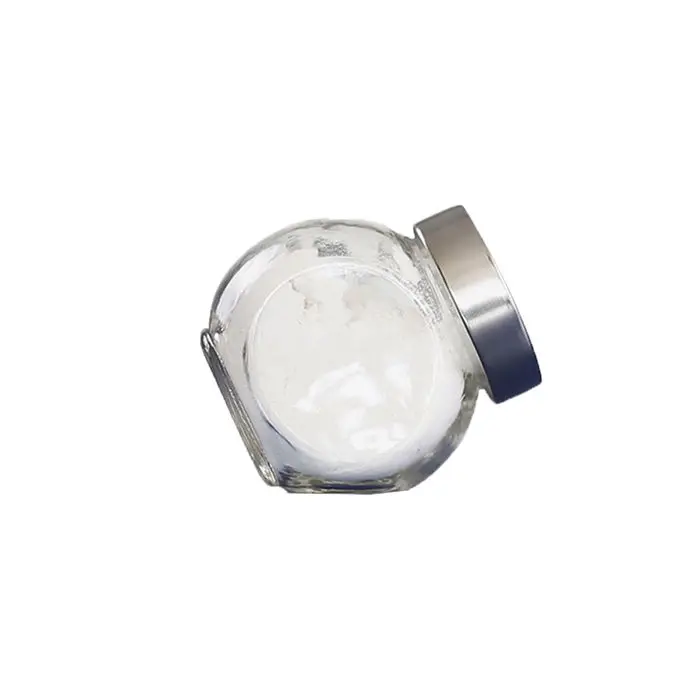
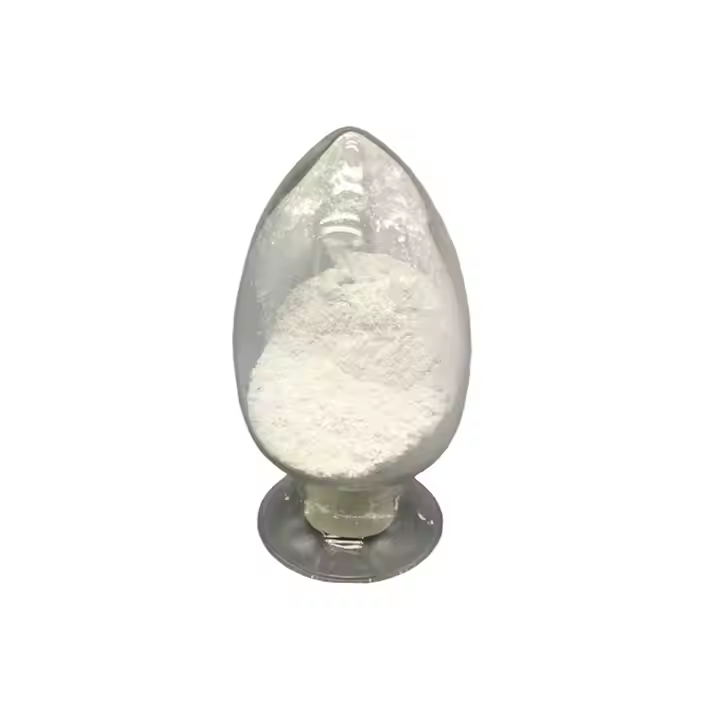
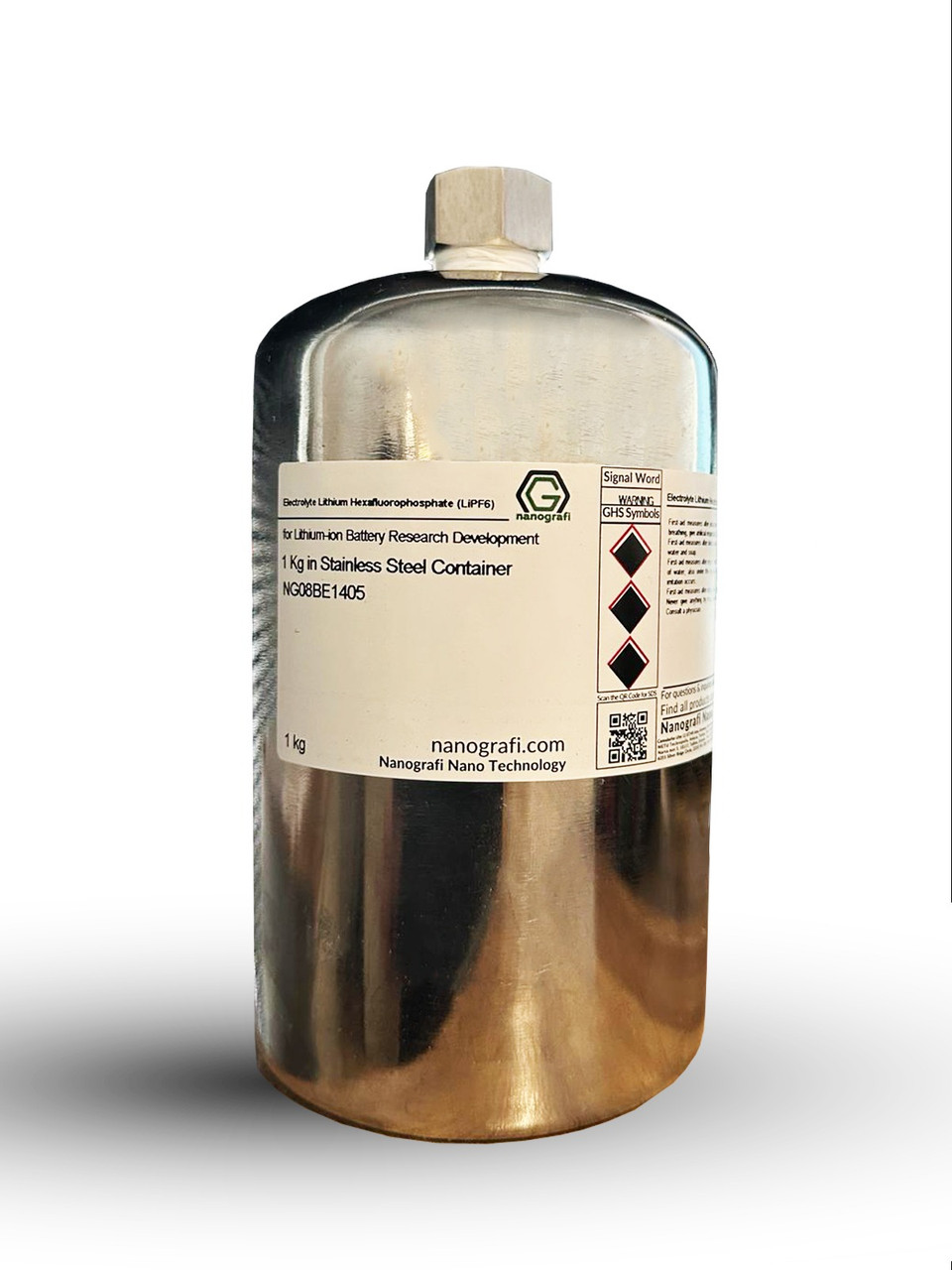
In the relentless pursuit of more powerful, efficient, and reliable energy storage, one chemical compound often operates behind the scenes, yet remains absolutely central to our modern technological landscape: Lithium Hexafluorophosphate (LiPF6). While perhaps not a household name, LiPF6 is the undisputed cornerstone electrolyte salt in the vast majority of commercial lithium-ion batteries that power everything from our smartphones and laptops to electric vehicles (EVs) and grid-scale energy storage systems.
The Science Behind the Power
At its core, a lithium-ion battery works by shuttling lithium ions between a positive electrode (cathode) and a negative electrode (anode) through a medium called an electrolyte. LiPF6 plays the pivotal role within this electrolyte. Typically, it is dissolved in a blend of organic solvents to create the liquid solution that fills the battery cell.
Its primary function is to facilitate the efficient transfer of lithium ions. When the battery discharges, lithium ions move from the anode to the cathode, releasing energy. During charging, this process reverses. LiPF6 provides the necessary free lithium ions and ensures high ionic conductivity, allowing for rapid and effective charge and discharge cycles.
Why LiPF6 Reigns Supreme (For Now)
Despite ongoing research into alternative electrolyte materials, LiPF6 has maintained its dominant position for several key reasons:
- High Ionic Conductivity: It boasts excellent conductivity for lithium ions, which is crucial for achieving high power density and fast charging rates.
- Wide Electrochemical Window: This refers to the range of voltages over which the electrolyte remains stable and does not decompose. LiPF6 is stable across the typical operating voltages of most lithium-ion batteries, allowing for high energy density.
- Formation of a Stable SEI Layer: This is perhaps its most critical advantage. Upon initial charging, LiPF6 reacts with the graphite anode to form a thin, solid, protective layer known as the Solid Electrolyte Interphase (SEI). This SEI layer is vital for battery longevity and safety, as it prevents continuous decomposition of the electrolyte, stabilizes the anode surface, and allows lithium ions to pass through while blocking electron transfer. Without an effective SEI, batteries would degrade rapidly.
- Relative Availability and Cost: Having been the standard for decades, its manufacturing processes are well-established, making it relatively cost-effective and available compared to newer, more exotic electrolyte salts.
Challenges and Drawbacks
While indispensable, LiPF6 is not without its limitations, which drive continuous research into improving its properties or finding alternatives:
- Thermal Instability: LiPF6 is sensitive to elevated temperatures, which can lead to its decomposition and the production of problematic byproducts.
- Hydrolytic Instability: It reacts readily with trace amounts of moisture (even atmospheric humidity) to form highly corrosive and toxic hydrofluoric acid (HF). This reaction poses significant safety challenges during manufacturing and handling, and HF can degrade battery components, leading to reduced performance and lifespan.
- Corrosivity: The HF generated from its decomposition can corrode battery components, including current collectors and cathode materials.
- Environmental Concerns: The production and disposal of fluorine-containing compounds like LiPF6 present environmental challenges.
Safety and the Future of Electrolytes
The reactivity of LiPF6, particularly its sensitivity to moisture and heat, necessitates stringent control measures during battery manufacturing, including operating in extremely dry, inert atmospheres. For consumers, the main take-away is that proper battery usage (avoiding overcharging, extreme temperatures, and physical damage) helps prevent the conditions that could lead to LiPF6 decomposition and potential safety issues.
The future of lithium-ion batteries, while still highly reliant on LiPF6, is also exploring new frontiers. Researchers are investigating alternative electrolyte salts (like LiFSI or LiTFSI) that offer better thermal stability or reduced moisture sensitivity. Furthermore, the development of solid-state electrolytes aims to replace the liquid electrolyte entirely, potentially eliminating the safety concerns associated with organic solvents and offering higher energy densities.
Despite these advancements, Lithium Hexafluorophosphate remains the workhorse of current lithium-ion battery technology. Its unique combination of ionic conductivity, electrochemical stability, and especially its role in SEI formation, has been fundamental to the battery revolution that powers our modern world. As the demand for energy storage continues to soar, the subtle yet crucial chemistry of compounds like LiPF6 will remain at the heart of our electrified future.



Reviews
There are no reviews yet.