


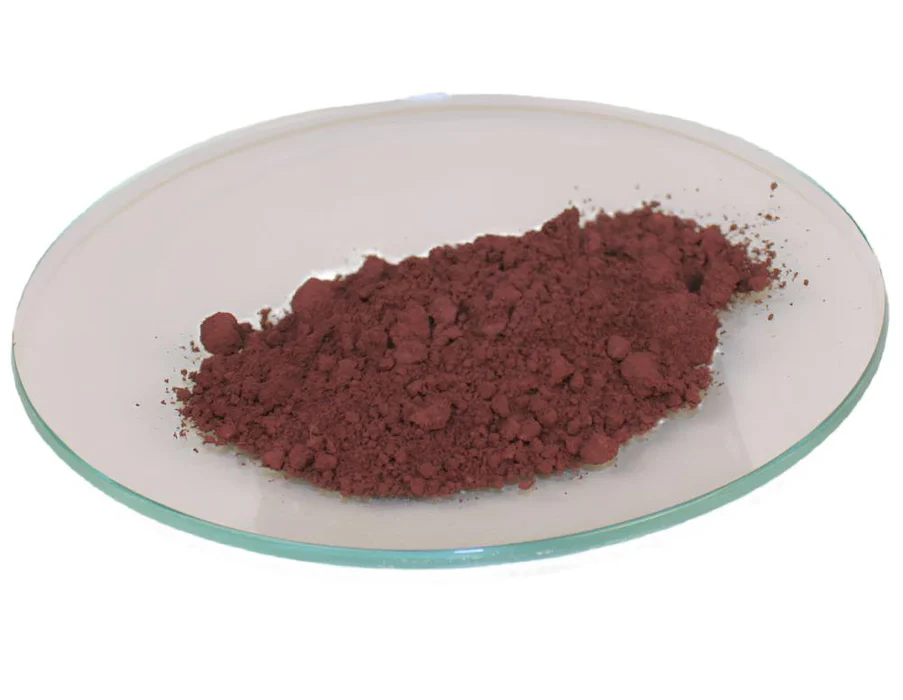

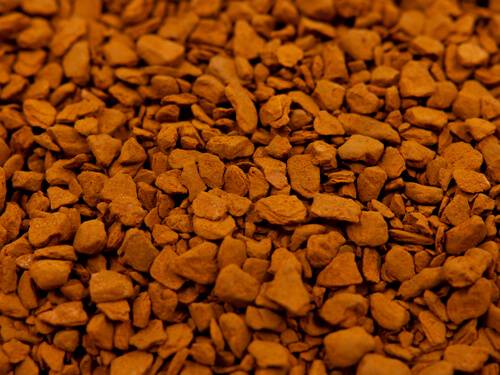
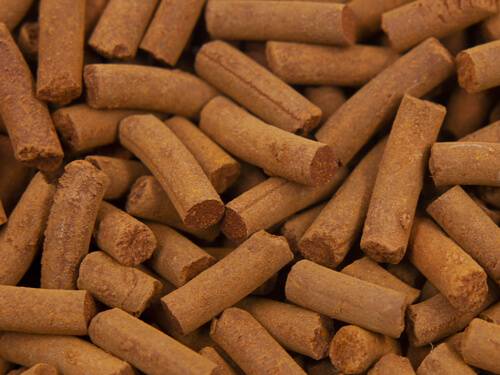
Description
The Unsung Hero of Industry: Iron Oxide Catalysts
Iron oxide, also known as rust to many, might conjure images of decay and corrosion. But beyond its role in the natural degradation of iron, lies a powerful and versatile chemical tool: the iron oxide catalyst. These catalysts, leveraging the unique properties of iron oxides in various forms, play a crucial role in a surprisingly wide range of industrial processes, quietly enabling the production of everything from plastics and fuels to fertilizers and pharmaceuticals.
What Makes Iron Oxide a Good Catalyst?
Iron oxide’s catalytic prowess stems from a confluence of factors:
- Variable Oxidation States: Iron can exist in multiple oxidation states (Fe2+ and Fe3+), allowing it to readily accept and donate electrons during chemical reactions. This facile redox behavior is crucial for many catalytic processes, enabling the breaking and forming of chemical bonds.
- Surface Area and Morphology: The catalytic activity of iron oxide is highly dependent on its surface area and morphology. Nanoparticles, porous structures, and specific crystalline phases offer more active sites for reactants to interact with, enhancing catalytic efficiency.
- Abundance and Low Cost: Iron is one of the most abundant elements on Earth, making iron oxide catalysts relatively inexpensive and sustainable compared to precious metal catalysts like platinum or palladium.
- Environmental Friendliness: Iron oxide is generally considered non-toxic and environmentally benign, making it a preferable alternative to more hazardous catalytic materials.
- Tunable Properties: The properties of iron oxide catalysts can be tailored by controlling factors like particle size, morphology, dopants, and support materials. This allows researchers to fine-tune the catalyst for specific reactions and optimize its performance.
A Diverse Range of Applications:
The versatility of iron oxide catalysts shines through in their diverse applications across various industries:
- Haber-Bosch Process: This iconic industrial process, responsible for producing ammonia, a vital component of fertilizers, relies heavily on iron-based catalysts. They facilitate the reaction between nitrogen and hydrogen to yield ammonia, contributing significantly to global food production.
- Water-Gas Shift Reaction: Iron oxide catalysts, often promoted with chromium oxide, are used in the water-gas shift reaction, which converts carbon monoxide and water into carbon dioxide and hydrogen. This reaction is crucial for hydrogen production, essential for many industrial processes and emerging fuel cell technologies.
- Fischer-Tropsch Synthesis: This process converts synthesis gas (a mixture of carbon monoxide and hydrogen) into liquid hydrocarbons, potentially providing an alternative route to fuel production from coal, biomass, or natural gas. Iron-based catalysts are particularly effective for producing long-chain hydrocarbons suitable for diesel and jet fuel.
- Selective Catalytic Reduction (SCR): Iron oxide catalysts are finding increasing application in SCR systems for reducing nitrogen oxides (NOx) emissions from stationary sources like power plants and vehicles. They selectively reduce NOx to nitrogen using ammonia or hydrocarbons as reductants.
- Organic Synthesis: Iron oxide catalysts are also gaining traction in organic synthesis, employed in reactions like oxidations, reductions, and coupling reactions. Their low toxicity and cost-effectiveness make them attractive alternatives to more expensive and potentially harmful catalysts.
- Photocatalysis: Certain iron oxide forms, like hematite (α-Fe2O3), are used as photocatalysts for applications like water splitting, dye degradation, and air purification. They can absorb sunlight and generate electron-hole pairs that drive chemical reactions.
The Future of Iron Oxide Catalysis:
Research and development in iron oxide catalysis continue to focus on:
- Improving Catalyst Activity and Selectivity: Novel synthesis techniques and surface modification strategies are being explored to enhance the performance of iron oxide catalysts for specific reactions.
- Developing Novel Catalyst Structures: Researchers are investigating new catalyst architectures, such as core-shell structures and single-atom catalysts, to maximize catalytic efficiency.
- Understanding Reaction Mechanisms: A deeper understanding of the reaction mechanisms occurring on iron oxide surfaces is crucial for rational catalyst design.
- Exploring New Applications: The potential of iron oxide catalysts is being investigated for emerging applications in areas like energy storage, carbon capture, and biomedical engineering.
In conclusion, iron oxide catalysts, often overlooked, are indispensable tools in modern industry. Their abundance, low cost, environmental friendliness, and tunable properties make them a compelling alternative to more expensive and hazardous catalytic materials. As research continues to unlock their full potential, iron oxide catalysts will undoubtedly play an increasingly important role in creating a more sustainable and technologically advanced future. They are a testament to the fact that even the seemingly mundane, like rust, can hold immense promise for innovation.


Reviews
There are no reviews yet.