
Description
High-Purity Malonic Acid: The Unsung Hero of Precision in Modern Industries
While often overlooked in the broader landscape of industrial chemicals, malonic acid, particularly in its high-purity form, is an increasingly indispensable compound. Far from a mere laboratory reagent, high-purity malonic acid acts as a critical building block and precision tool, quietly powering advancements across pharmaceuticals, electronics, specialty chemicals, and more.
What is Malonic Acid?
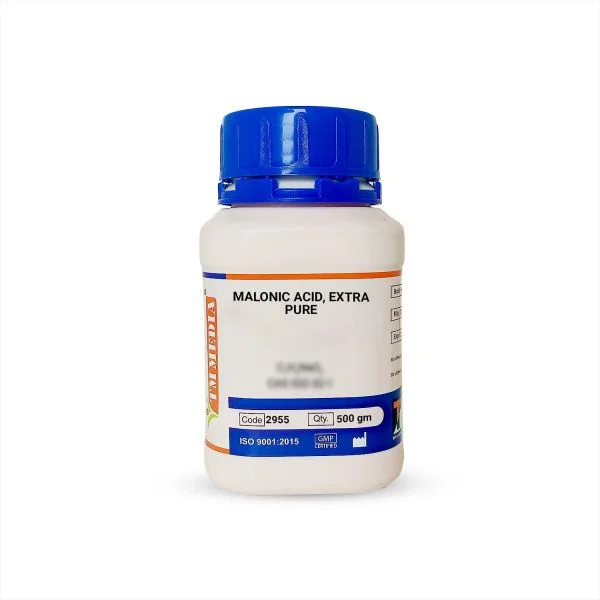
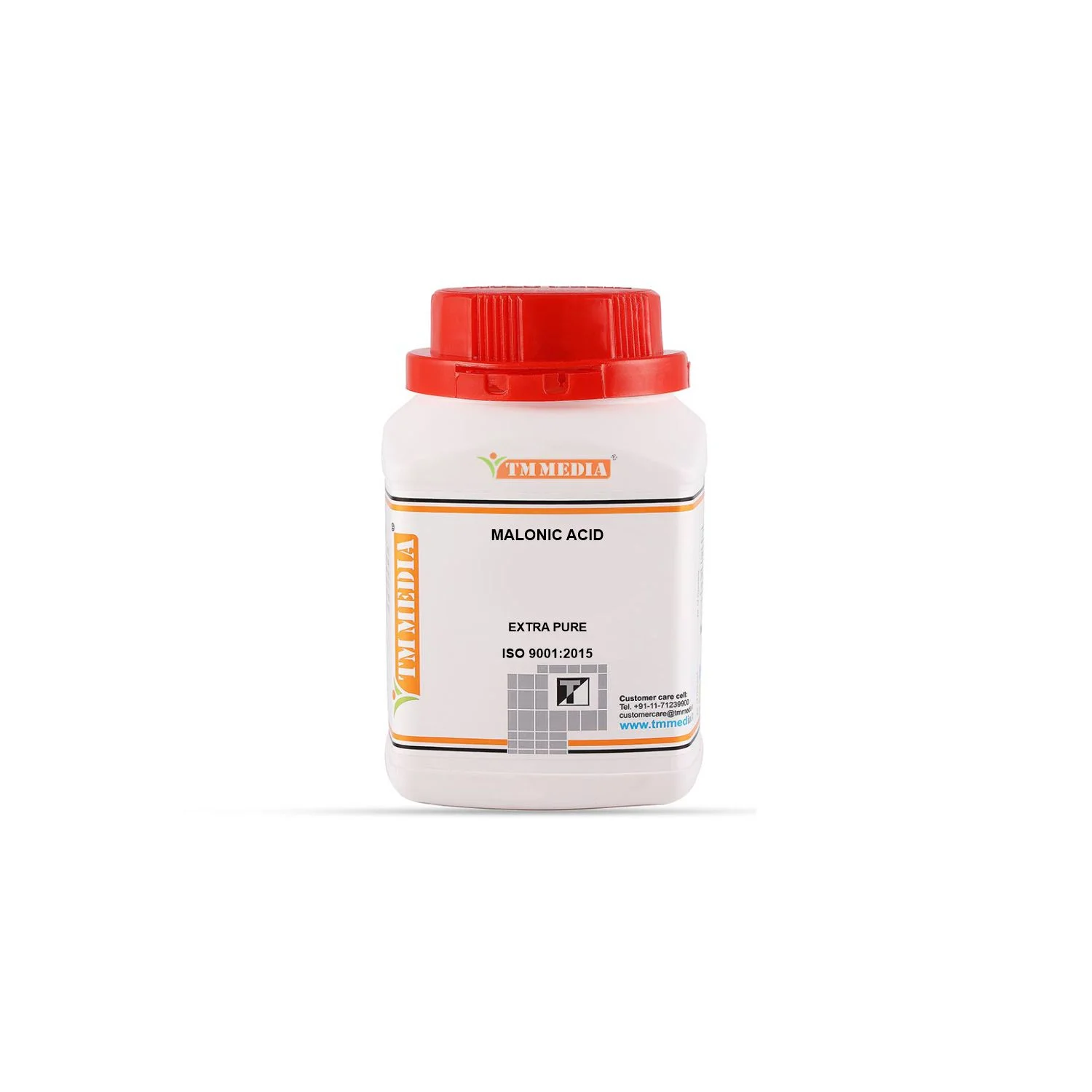
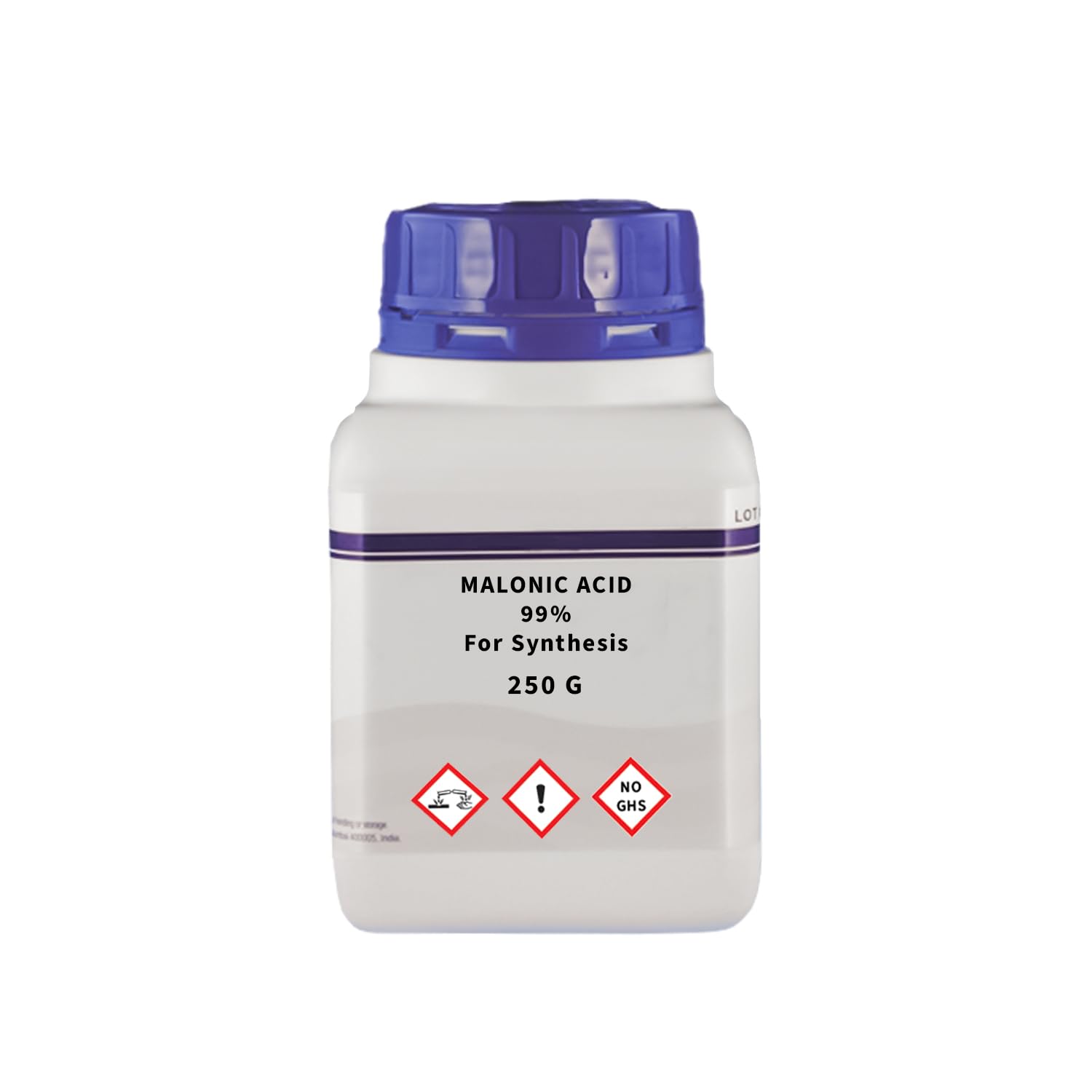
Malonic acid (systematically propanedioic acid) is a dicarboxylic acid with the chemical formula CH₂(COOH)₂. It’s a white, crystalline solid that’s soluble in water and organic solvents. Its molecular structure, featuring two carboxyl groups separated by a single methylene group, makes it a versatile chemical intermediate. In its standard grade, malonic acid is used in various applications, including the synthesis of fragrances, pharmaceuticals, and certain types of polymers.
The “High-Purity” Imperative
The true value of malonic acid, however, shines brightest when its purity is elevated to exacting standards. In many cutting-edge applications, even trace impurities can lead to significant problems:
- Compromised Performance: Unwanted side reactions, reduced yields, or altered material properties.
- Safety Concerns: Introduction of toxic or unwanted byproducts in sensitive applications like pharmaceuticals.
- Reproducibility Issues: Inconsistent results in research and manufacturing processes.
- Regulatory Compliance: Failure to meet stringent industry or governmental standards.
High-purity malonic acid, often exceeding 99.5% or even 99.9% purity, ensures that end-products meet the most rigorous specifications for quality, safety, and functionality.
Key Applications of High-Purity Malonic Acid
The demand for high-purity malonic acid is driven by its critical role in a diverse array of advanced industries:
- Pharmaceuticals and Biotechnology:
- Drug Synthesis: High-purity malonic acid serves as a crucial precursor and intermediate in the synthesis of a wide range of active pharmaceutical ingredients (APIs), including anti-inflammatory drugs, antibiotics, and vitamins. Its purity is paramount to prevent the formation of undesired isomers or impurities that could affect drug efficacy and patient safety.
- Excipients and Formulations: In some cases, it’s used in the production of excipients or as a pH regulator in drug formulations, where the absence of heavy metals and other contaminants is non-negotiable.
- Electronics and Semiconductors:
- Etching and Cleaning Agents: In the fabrication of microelectronics, ultra-high purity malonic acid solutions are employed as highly selective etching agents and cleaning solutions. Trace metal ions or organic contaminants could irrevocably damage sensitive circuit components, making exceptional purity a fundamental requirement.
- Photoresist Formulations: It can be a component in photoresist materials used in photolithography, where precise control over chemical reactions is essential for defining intricate patterns on semiconductor wafers.
- Specialty Chemicals and Polymers:
- Advanced Polymer Synthesis: As a dicarboxylic acid, high-purity malonic acid is an excellent monomer for the production of specialized polyesters, polyamides, and other polymers with tailored properties for high-performance applications (e.g., medical devices, advanced textiles). Its purity ensures consistent polymer chain length and desired mechanical and thermal properties.
- Fine Chemical Synthesis: It acts as a versatile building block for synthesizing a variety of fine chemicals, including esters, amides, and other derivatives used in flavors, fragrances, and agrochemicals, where purity directly impacts the quality and performance of the final product.
- Research and Diagnostics:
- Analytical Standards: High-purity malonic acid serves as a key reference standard in analytical chemistry for calibrating instruments and validating methods.
- Biochemical Research: It is used in biochemical studies as an inhibitor of succinate dehydrogenase in the Krebs cycle, providing insights into cellular metabolism. For accurate and reproducible research, a precisely known purity is vital.
Achieving and Ensuring Purity
The production of high-purity malonic acid typically involves sophisticated purification techniques beyond standard crystallization. These can include:
- Multi-step Crystallization: Repeated dissolution and recrystallization processes using highly pure solvents.
- Chromatographic Separation: Advanced techniques like preparative chromatography to remove specific impurities.
- Ion Exchange: To remove trace metal ions.
- Rigorous Quality Control: Extensive analytical testing using techniques like High-Performance Liquid Chromatography (HPLC), Gas Chromatography-Mass Spectrometry (GC-MS), Inductively Coupled Plasma-Mass Spectrometry (ICP-MS) for elemental impurities, and various titrimetric methods to confirm purity and identify any trace contaminants. Manufacturing takes place in carefully controlled environments to prevent contamination.
Future Outlook
As industries continue to demand ever-higher levels of performance, miniaturization, and safety, the need for high-purity raw materials like malonic acid will only intensify. Innovations in purification technologies and stringent quality assurance protocols will be key to meeting these evolving demands. High-purity malonic acid, though perhaps not a household name, will continue to be a quiet yet fundamental enabler of precision and progress across the modern technological landscape.


Reviews
There are no reviews yet.