

Description
Glyceryl Monostearate (GMS): The Versatile Ingredient Stabilizing Our World
Glyceryl Monostearate, often abbreviated as GMS, is a common ingredient you likely encounter every day, yet you might not realize its importance. From the creamy textures of ice cream to the consistent quality of lotions, GMS plays a crucial role as an emulsifier, stabilizer, and thickening agent across various industries. But what exactly is GMS, and why is it so widely used?
What is Glyceryl Monostearate?
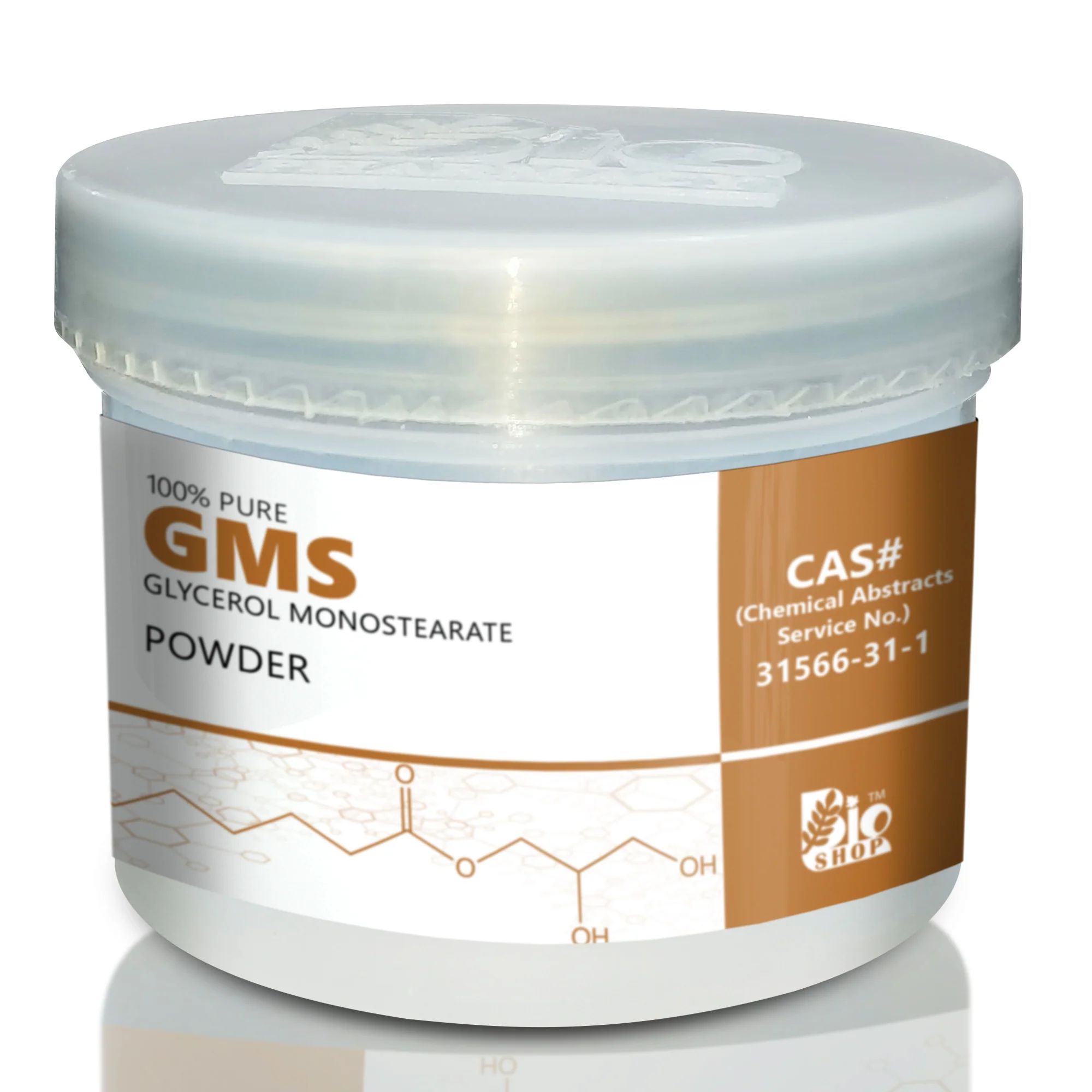
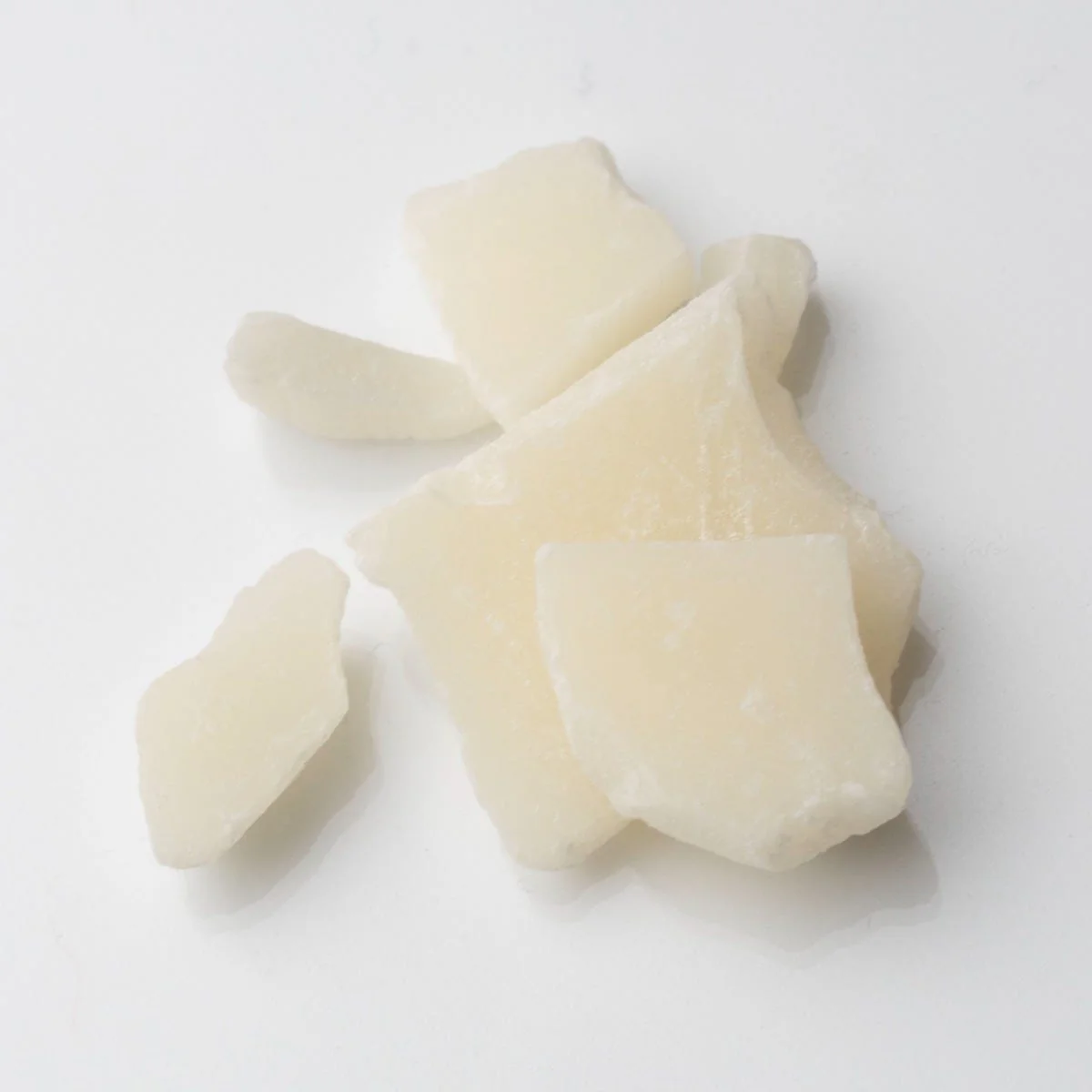
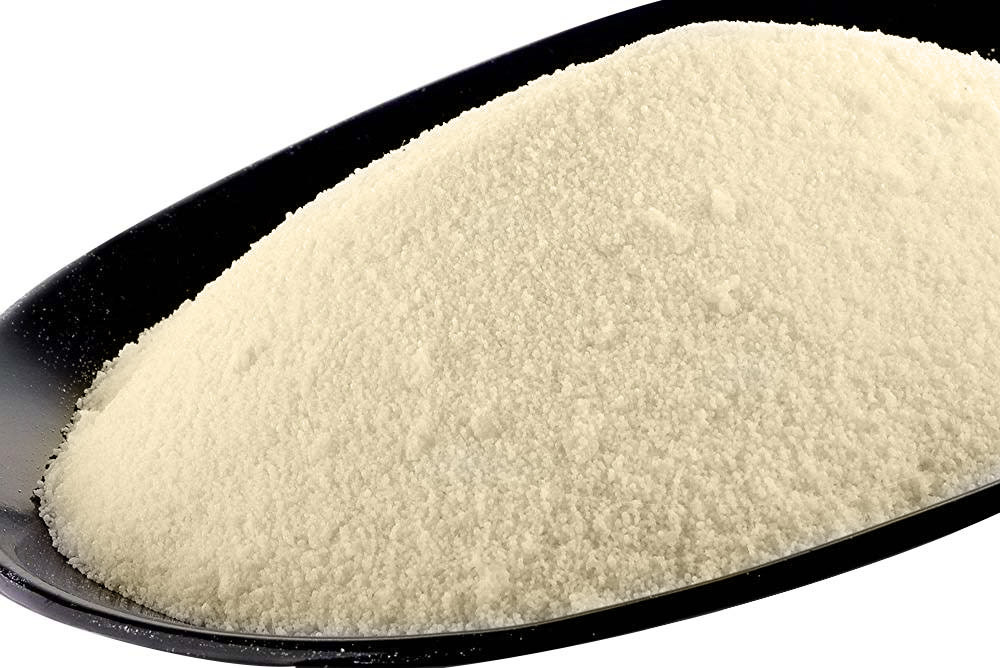
GMS is a white, waxy, and odorless substance derived from vegetable oils or animal fats. Chemically, it’s a monoglyceride, meaning it’s a glycerol molecule with one fatty acid (stearic acid) attached. This unique structure gives GMS its amphiphilic properties, meaning it has both water-loving (hydrophilic) and oil-loving (lipophilic) characteristics. This dual nature is the key to its versatility.
The Power of Emulsification and Beyond:
The primary function of GMS is as an emulsifier. Emulsions are mixtures of two liquids that don’t naturally combine, like oil and water. Think of salad dressing – without an emulsifier, the oil and vinegar would separate. GMS works by lowering the surface tension between these liquids, allowing them to mix and stay mixed, creating a stable emulsion.
Beyond emulsification, GMS offers a range of beneficial properties:
- Stabilizing: In food products, GMS helps prevent separation, crystallization, and syneresis (water separation), extending shelf life and maintaining consistent texture.
- Thickening: GMS can increase the viscosity of liquids, providing a desirable thickness and mouthfeel in products like sauces, creams, and lotions.
- Foam Enhancer: In baked goods, GMS contributes to a finer crumb structure, better texture, and improved volume by stabilizing air bubbles within the batter.
- Retarding Staling: In bread and other baked goods, GMS helps reduce staling by interfering with the recrystallization of starch molecules.
Applications Across Industries:
GMS’s versatile properties make it a popular ingredient in numerous applications:
- Food Industry: You’ll find GMS in everything from baked goods and ice cream to margarine, salad dressings, and processed foods. It improves texture, stability, and shelf life.
- Cosmetics and Personal Care: GMS is a frequent ingredient in lotions, creams, sunscreens, and hair care products. It helps create smooth, consistent formulations and enhances skin feel.
- Pharmaceuticals: GMS is used as a lubricant in tablet production and to improve the texture and stability of topical creams and ointments.
- Plastics: GMS can act as an anti-static agent and lubricant in the production of certain plastics.
Safety Considerations:
GMS is generally recognized as safe (GRAS) by regulatory bodies like the FDA when used in appropriate concentrations. It has a long history of safe use in food and cosmetic products. However, as with any ingredient, sensitivities can occur. Those with known allergies to specific fatty acids or triglycerides should exercise caution.
Conclusion: A Silent Workhorse:
Glyceryl Monostearate might not be a glamorous ingredient, but its impact on the products we use daily is undeniable. Its ability to emulsify, stabilize, and thicken makes it a valuable asset across various industries. So, the next time you enjoy a creamy bowl of ice cream or apply a smooth lotion, remember the silent workhorse, GMS, that helps bring it all together. While often taken for granted, this versatile ingredient is a testament to the power of chemistry in shaping our everyday experiences.


Reviews
There are no reviews yet.