

Description
1. Product Overview
Glucose is a fundamental monosaccharide widely utilized as a primary energy source and functional ingredient across multiple industrial sectors. Produced through the hydrolysis of starch (typically from corn, wheat, or cassava), it serves as a critical raw material in food processing, pharmaceuticals, fermentation, and chemical manufacturing. Its key value proposition lies in its high purity, consistent quality, and versatile functionality—ranging from sweetening and fermentation to acting as a precursor in biochemical processes. Strategically, glucose is indispensable in global supply chains due to its role in large-scale production of bio-based chemicals, making it a cornerstone input in both traditional and emerging industries.
2. Key Specifications & Technical Characteristics
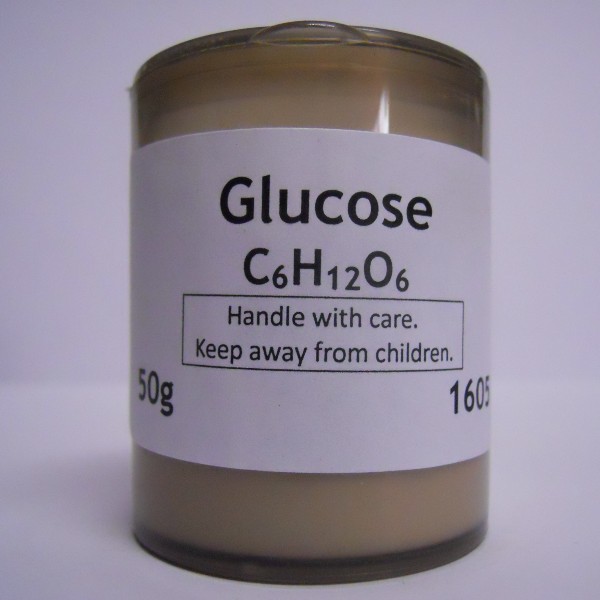
- Chemical Composition: C₆H₁₂O₆ (D-Glucose, dextrose monohydrate/anhydrous)
- Purity Level / Grade:
- Food Grade: ≥99.5%
- Pharmaceutical Grade: ≥99.8%
- Industrial Grade: ≥98%
- Physical Characteristics:
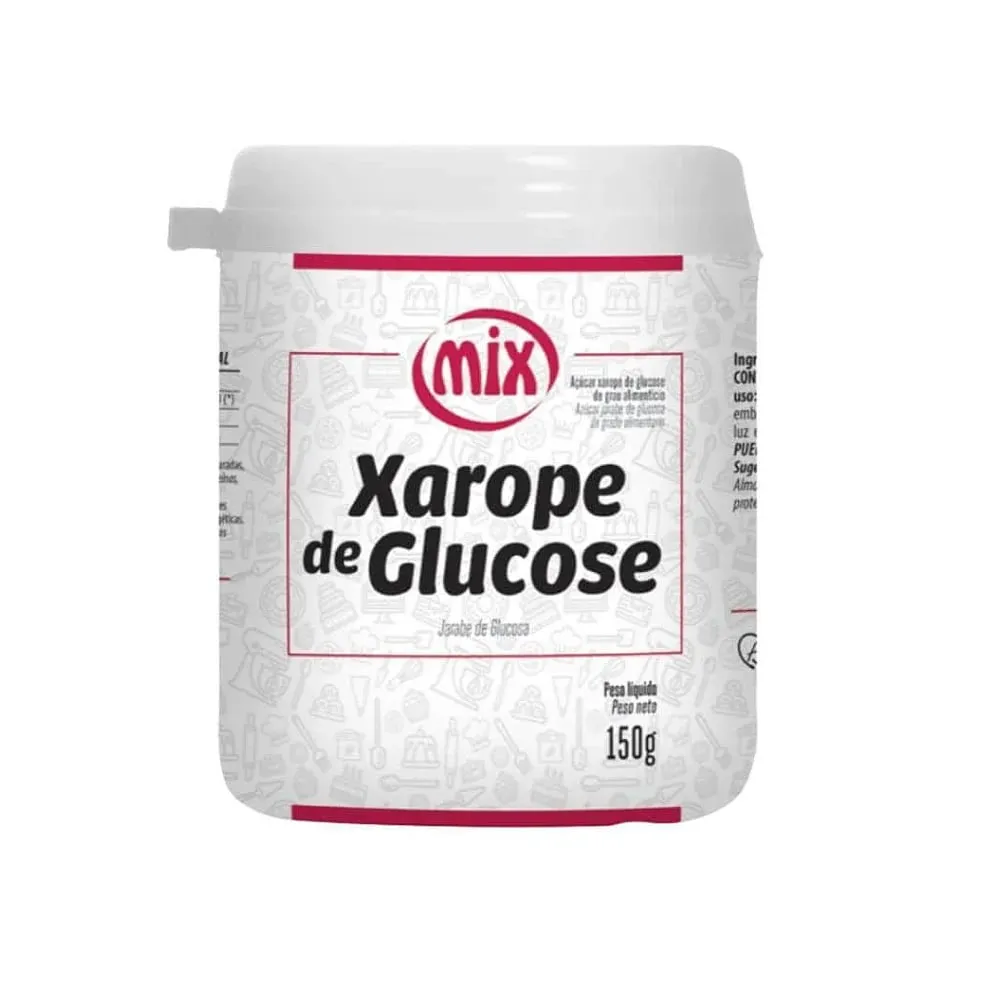
- Form: Crystalline powder or syrup (liquid glucose)
- Color: White (powder) / Clear to pale yellow (syrup)
- Taste: Sweet, clean profile
- Solubility: Highly soluble in water
- Bulk Density: ~0.7–0.9 g/cm³ (powder)
- Packaging Options:
- 25 kg / 50 kg PP or paper bags (powder)
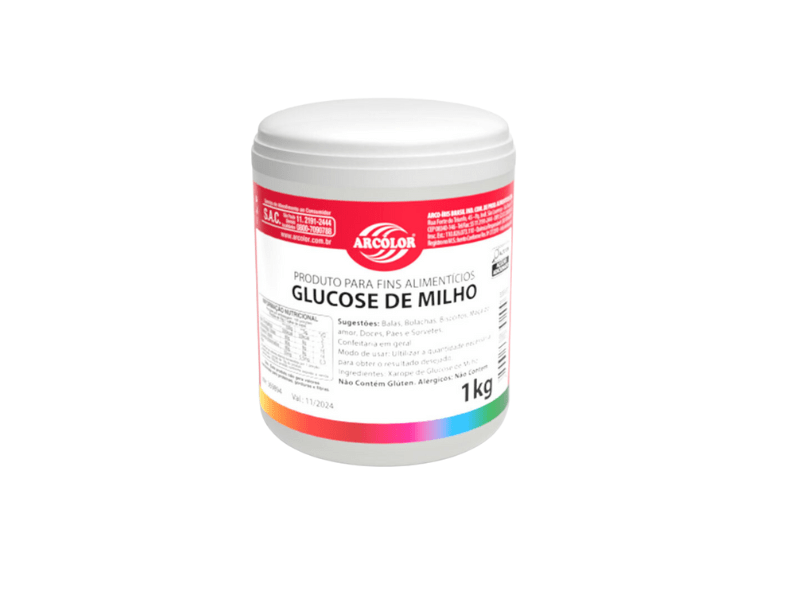
- 275 kg IBC totes / 1,000 kg tanks / bulk tanker (liquid)
- Shelf Life:
- Powder: 24 months under dry, sealed conditions
- Liquid: 12 months under controlled storage
3. Core Industrial Applications
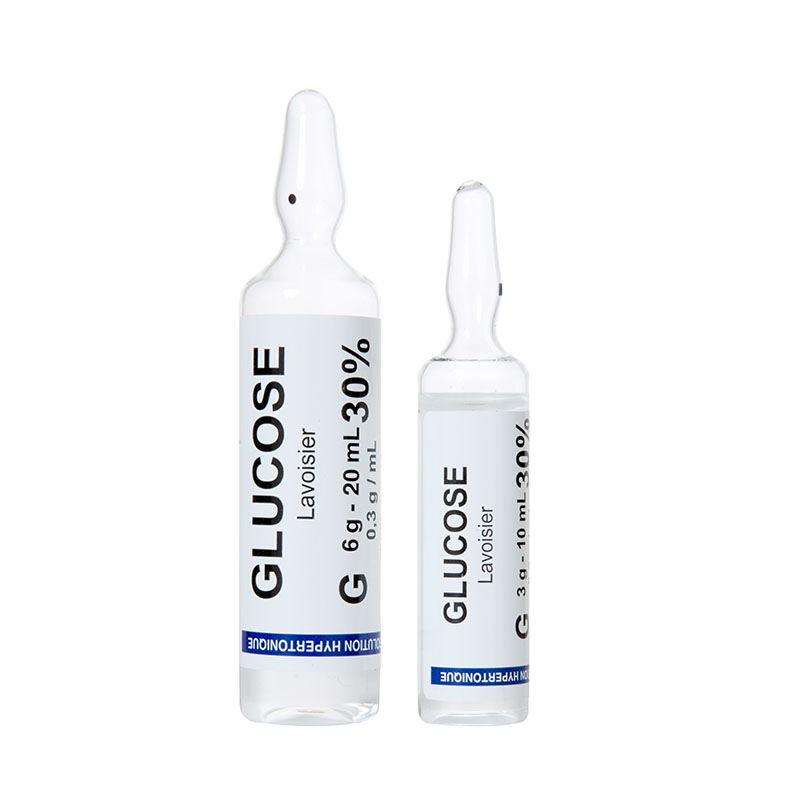
Glucose is extensively used across diverse industries due to its biochemical versatility and cost efficiency. In the food & beverage industry, it functions as a sweetener, humectant, and fermentation substrate in products such as confectionery, baked goods, and beverages. In pharmaceuticals, it is essential for intravenous solutions, tablet formulations, and as a carrier in drug delivery systems.
In biotechnology and fermentation, glucose serves as a primary carbon source for producing ethanol, organic acids (e.g., citric acid, lactic acid), and amino acids. The chemical industry leverages glucose as a precursor for biodegradable polymers and bio-based intermediates. Compared to alternative sugars, glucose offers superior fermentation efficiency, predictable reactivity, and cost-effective scalability—making it the preferred choice for high-volume industrial processes.
4. Competitive Advantages
- Quality Consistency: Controlled production processes ensure uniform purity and performance across batches
- Supply Reliability: Large-scale global production capacity with stable year-round availability
- Logistics Capability: Flexible packaging formats and efficient bulk shipping solutions for international distribution
- Price Competitiveness: Economies of scale and widespread raw material availability reduce procurement costs
- Sustainability: Derived from renewable agricultural feedstocks, supporting bio-based and circular economy initiatives
- Technical Support: Comprehensive documentation including COA, MSDS, and application guidance for industrial integration
5. Commercial & Supply Information
- Minimum Order Quantity (MOQ): BULK 20 MT
- Loading Capacity:
- 20 FT Container: 20–25 MT (powder) / ~20 MT (liquid)
- 40 FT Container: 25–28 MT (powder, depending on packaging)


Reviews
There are no reviews yet.