
Description
BF3 Specialty Grade
Boron trifluoride (BF3) is a colorless, highly reactive gas at room temperature that acts as a strong Lewis acid. In specialty-grade form, BF3 is produced and packaged to very tightly controlled purity and impurity specifications. This makes it suitable for demanding applications where trace contaminants can affect outcomes, such as advanced polymerization, electronics, and precision synthesis.
What “specialty grade” means
- High purity and controlled impurity profile: Specialty grade BF3 is specified to have very low moisture and tightly managed levels of common impurities. This helps minimize side reactions and catalyst deactivation in sensitive processes.
- Trace moisture management: Because BF3 hydrolyzes readily in the presence of water, specialty grade products are shipped and handled under strictly dry conditions, often with certificate of analysis (COA) and material safety data sheets (MSDS) that document moisture and impurity levels.
- Intended for sensitive applications: Common uses include electronics manufacturing, ultra-dry chemical syntheses, and research settings where reproducible, low-impurity performance is critical.
Typical properties and considerations
- Chemical nature: BF3 is a potent Lewis acid and readily forms adducts with Lewis bases (for example, ethers) which are often used to stabilize the gas for handling.
- Storage and handling:
- Store and transport under dry, inert conditions to prevent hydrolysis.
- Use compatible materials (stainless steel, certain alloys, and PTFE components) to avoid reaction with BF3.
- Keep away from moisture and water sources; work under a fume hood with appropriate detectors and ventilation.
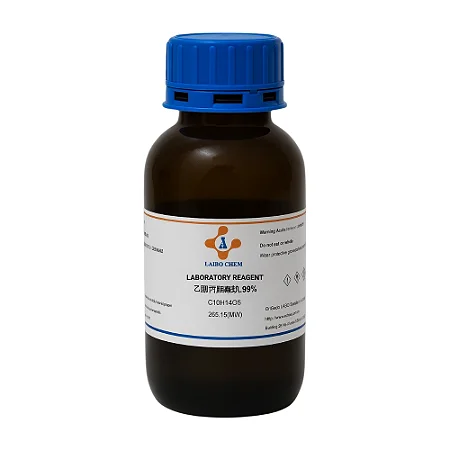
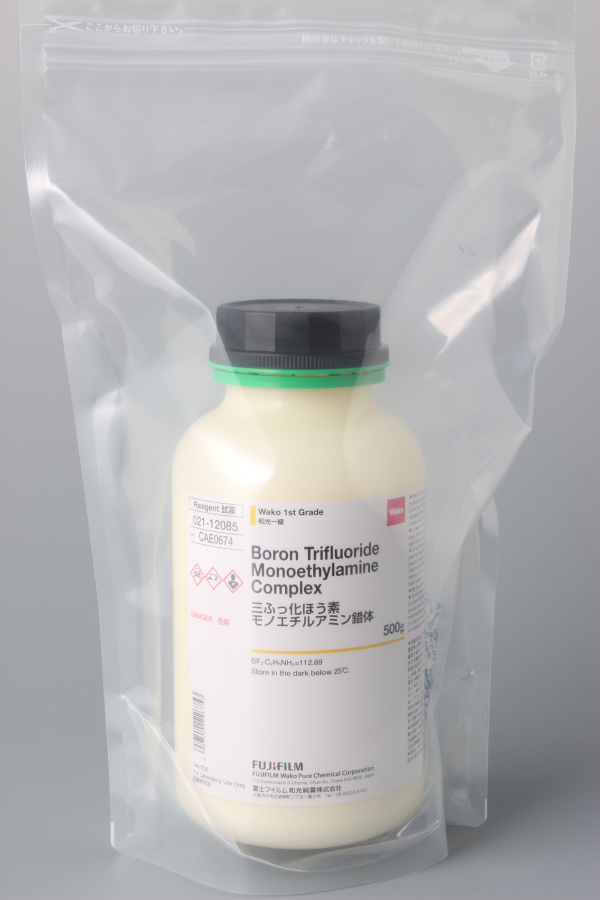
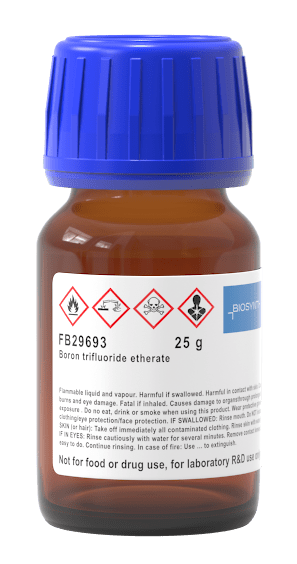
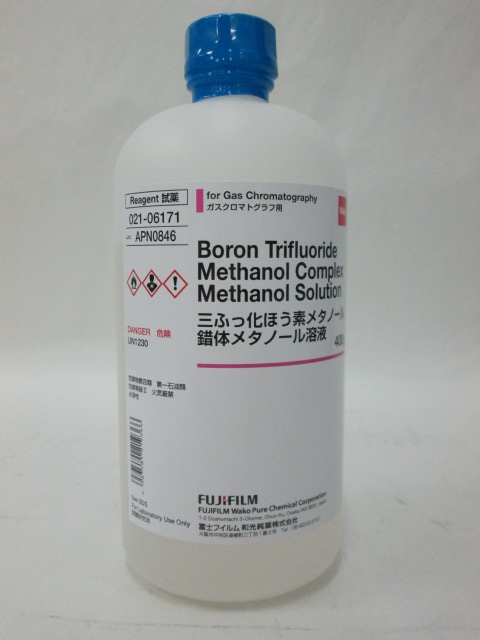
- Stabilization options: In practice, BF3 is sometimes supplied as a stabilized adduct or in a sealed, dry state. In other cases, it is shipped as a tightly controlled gas or as a complex such as BF3-etherate for ease of handling, depending on the supplier and application.
- Common uses in specialty contexts:
- Catalysis in precise polymerization or esterification processes
- Synthesis of organoboron compounds and other boron-containing materials
- Electronics-related manufacturing steps that require ultra-dry Lewis acid catalysts
Safety and handling guidelines
- Hazards: BF3 is toxic and corrosive; it reacts with moisture to form boric acid and hydrogen fluoride, both of which are hazardous. Inhalation, skin, and eye contact should be avoided.
- Personal protective equipment (PPE): Use chemical splash goggles, face shield if needed, chemical-resistant gloves, and a lab coat. Work in a well-ventilated area or open a fume hood.
- First aid and emergency:
- If inhaled, move to fresh air and seek medical attention.
- If contact with skin or eyes occurs, rinse thoroughly with water for several minutes and remove contaminated clothing.
- In case of ingestion, seek immediate medical advice.
- Spill and exposure control: Use dry, inert absorbents and prevent spread to water sources. Ensure proper ventilation and monitor for HF release in case of hydrolysis.
How to specify and purchase
- Ask for documentation: Request the COA and MSDS from the supplier, including explicit impurity and moisture specifications.
- Key specification points to verify:
- Purity level (high percentage availability)
- Moisture content (ppm or a clearly stated limit)
- Impurity profile (types and limits of impurities, e.g., halogen-containing species)
- Packaging format (gas cylinder, stabilized adduct, or other stabilized form)
- Storage and handling instructions specific to the product
- Compare supplier options: If you have multiple suppliers, compare:
- Purity and moisture guarantees
- Availability of electronic-grade or research-grade options
- Technical support and return/replacement policies in case of unexpected impurity spikes
Quick summary
- BF3 specialty grade denotes higher purity with stringent moisture and impurity control, suitable for sensitive applications.
- Handle under strictly dry conditions; avoid moisture to prevent hydrolysis and HF formation.
- Verify COA/MSDS and impurity profiles from the supplier to ensure the product meets your process requirements.
- Use appropriate PPE and work within a dry, well-ventilated environment to maintain safety.
Reviews
There are no reviews yet.