
Description
Dipropylene Glycol Methyl Ether: A Versatile Solvent with Wide-Ranging Applications
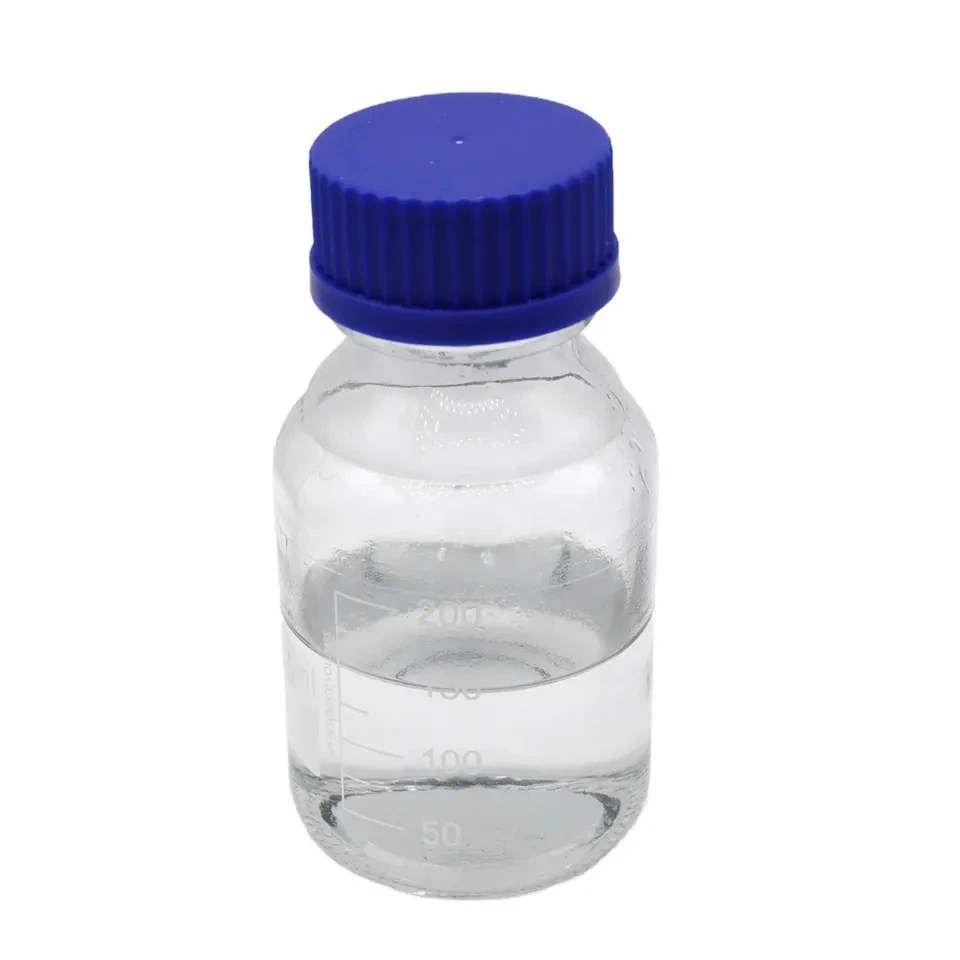
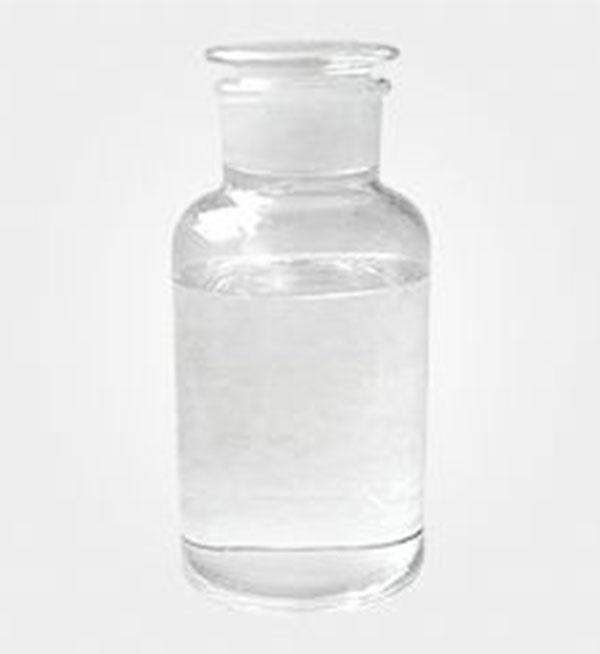
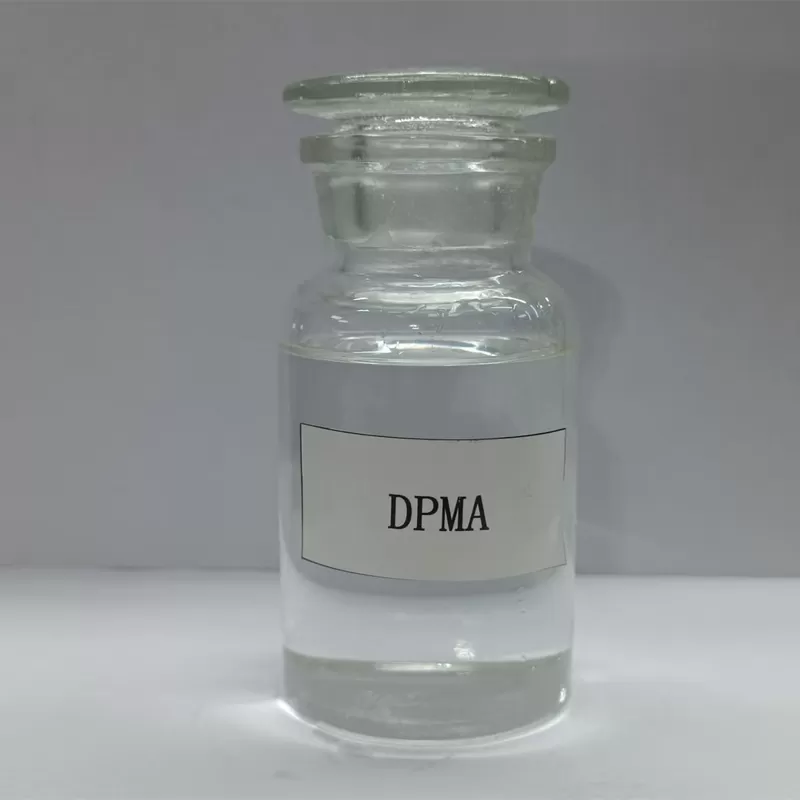
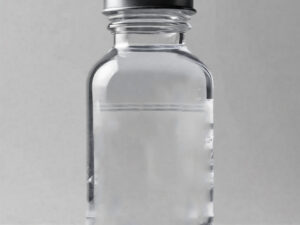
Dipropylene glycol methyl ether (DPM) is a clear, colorless liquid belonging to the glycol ether family. Characterized by its moderate volatility, low toxicity, and excellent solvency properties, it’s become a workhorse solvent in a diverse array of industries. Understanding its properties and applications is key to appreciating its significance in modern manufacturing and chemical processes.
What is Dipropylene Glycol Methyl Ether?
Chemically speaking, DPM is an ether and an alcohol, possessing two hydroxyl (OH) groups and an ether linkage. Its molecular structure allows it to effectively dissolve both polar and nonpolar substances, making it a highly versatile solvent.
Key Properties of DPM:
- Excellent Solvency: DPM is a powerful solvent for a wide variety of substances, including resins, coatings, inks, adhesives, and cleaning agents.
- Low Toxicity: Compared to other solvents, DPM exhibits relatively low toxicity, making it a preferred choice in formulations where human exposure is a concern.
- Moderate Volatility: Its moderate evaporation rate ensures it doesn’t dry too quickly, providing sufficient time for coatings and inks to properly level and adhere.
- Good Coupling Agent: DPM acts as a coupling agent, helping to blend incompatible substances, such as water and oil, in formulations.
- Odorless or Mild Odor: DPM has a subtle, non-offensive odor, making it more pleasant to work with than solvents with strong or pungent smells.
- Miscible with Water and Organic Solvents: DPM readily dissolves in both water and a range of organic solvents, further expanding its application possibilities.
Diverse Applications of DPM:
The unique properties of DPM have led to its widespread use in numerous applications:
- Coatings and Inks: DPM is a key component in paints, varnishes, lacquers, and printing inks. It helps to dissolve resins, control viscosity, and promote leveling, resulting in smooth, durable finishes.
- Cleaning Products: It’s used as a solvent in various cleaning agents, including surface cleaners, degreasers, and laundry detergents, due to its ability to dissolve grease, grime, and other contaminants.
- Adhesives and Sealants: DPM contributes to the performance of adhesives and sealants by providing good solvency for the resin components and controlling their drying time.
- Cosmetics and Personal Care Products: Due to its low toxicity and good solvency, DPM is used in some cosmetic and personal care products like hair sprays, perfumes, and lotions. It helps to dissolve fragrances, control viscosity, and improve product spreadability.
- Textile Industry: DPM is used in textile dyeing and finishing processes, aiding in the penetration of dyes and improving the overall quality of the finished fabric.
- Agricultural Products: As a solvent, DPM can be found in some agricultural formulations, such as herbicides and pesticides, to help deliver active ingredients effectively.
- Industrial Processes: DPM acts as a solvent and process aid in various industrial applications, including electronics manufacturing and chemical synthesis.
Safety Considerations:
While DPM is considered to have low toxicity, appropriate safety precautions should always be followed when handling it. These include:
- Adequate Ventilation: Ensure proper ventilation in work areas to minimize inhalation of vapors.
- Protective Equipment: Wear appropriate personal protective equipment, such as gloves and eye protection, to prevent skin and eye contact.
- Storage: Store DPM in tightly sealed containers away from heat, ignition sources, and incompatible materials.
- Refer to SDS: Always refer to the Safety Data Sheet (SDS) for comprehensive information on handling, storage, and safety precautions.
Conclusion:
Dipropylene glycol methyl ether (DPM) is a highly versatile solvent that offers a unique combination of properties, including excellent solvency, low toxicity, and moderate volatility. Its widespread use across diverse industries highlights its importance as a critical component in modern manufacturing and chemical processes. By understanding its characteristics and applications, we can appreciate the significant role DPM plays in our daily lives.

Reviews
There are no reviews yet.