
Description
1. Product Overview
This alkali flooding chemical is a high-concentration sodium-based alkaline compound engineered specifically for chemical EOR in sandstone reservoirs. It serves to generate in-situ surfactants with crude oil’s natural naphthenic acids, reducing interfacial tension to ultralow levels (10⁻³ mN/m) and altering rock wettability toward water-wet conditions. The key value proposition is a 15% average incremental oil recovery factor with lower chemical costs than synthetic surfactant-polymer floods. Strategically, it enables operators to monetize mature assets with 50–70% remaining oil in place, deferring abandonment and reducing marginal barrel lifting costs by up to $12/bbl.
2. Key Specifications & Technical Characteristics
-
Chemical composition: Sodium hydroxide (NaOH) core with proprietary silicate stabilizer to prevent precipitation with divalent ions (Ca²⁺, Mg²⁺ up to 5,000 ppm)
-
Purity level: 98.5% minimum (industrial EOR grade), with <0.5% sodium carbonate impurity
-
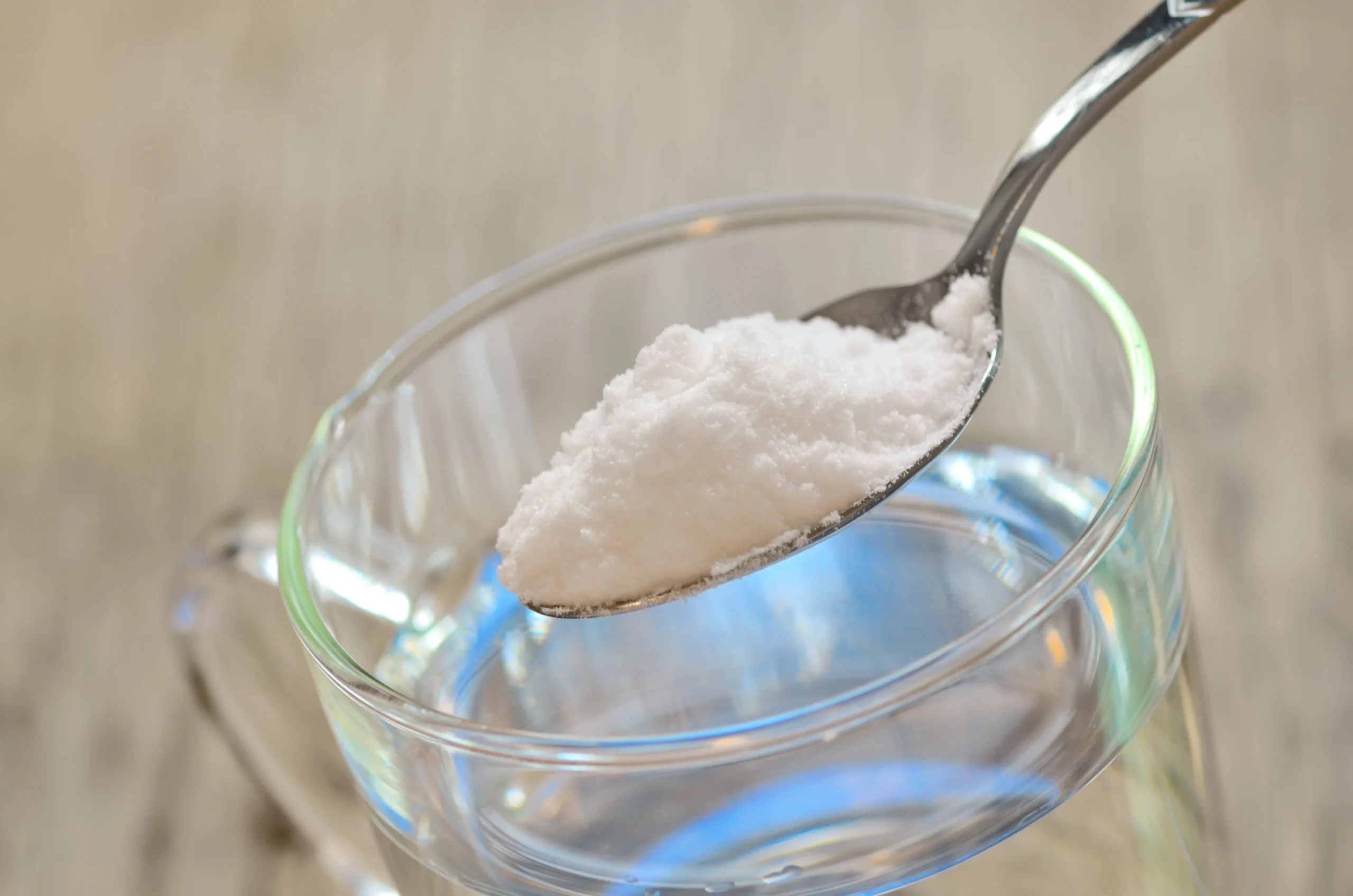
Physical characteristics: White, free-flowing micro-pearls; mean particle size 0.5–1.2 mm; bulk density 0.85–0.95 g/cm³
-
Packaging options: 1,000 kg FIBC totes (woven polypropylene with PE liner); 25 kg multi-layer kraft bags; ISOTanks for bulk liquid slurry (45% active solution)
-
Shelf life: 24 months in original unopened packaging stored below 40°C and <70% relative humidity
3. Core Industrial Applications
-
Primary industry: Onshore and offshore oil & gas operators with sandstone reservoirs (API gravity 15–35°, viscosity <200 cP)
-
Specific operational use: Alkaline flooding as standalone EOR or alkaline-surfactant-polymer (ASP) train; injection water formulation at 0.5–2.0 wt% active concentration; typically preceded by pre-flush (low-salinity brine) and followed by polymer drive for mobility control
-
Better performance vs. alternatives: Outperforms sodium carbonate (Na₂CO₃) by 30% lower adsorption on clay (0.2 mg/g rock vs. 0.6 mg/g) and generates optimal pH 11.5–12.0 with half the required volume; avoids scaling in production wells when dosed with included silicate inhibitor
-
Cost advantage: Reduces chemical spend to $1.80–2.50 per incremental barrel vs. $4.00–6.00 for synthetic surfactants; compatible with produced brine reuse, lowering freshwater consumption by 60%
4. Competitive Advantages
-
Quality consistency: Batch-to-batch variability <1.5% relative standard deviation (RSD) across 10,000+ MT annual production; ISO 9001:2024 certified with independent SGS laboratory verification available per shipment
-
Supply reliability: Dedicated EOR supply chain with 15,000 MT safety stock at three regional hubs (Houston, Rotterdam, Singapore); 48-hour emergency dispatch for unplanned field ramp-ups
-
Logistics capability: Vessel load planning tailored to wellpad injection schedules; just-in-time delivery to remote basins (North Dakota, Vaca Muerta, Tengiz) via rail-to-truck transloading
-
Price competitiveness: Volume-based tiered pricing averaging 12–18% below major Chinese and Middle Eastern suppliers for contract volumes above 5,000 MT/year
-
Sustainability & environmental: Low-carbon manufacturing pathway (0.6 kg CO₂ per kg product vs. industry average 1.1 kg); fully biodegradable in reservoir conditions; no hazardous air emissions during injection
-
Technical support: Full EOR laboratory suite (coreflooding, HPHT compatibility, scale prediction) included for contract buyers; field application engineers on-site for first three injection cycles
5. Commercial & Supply Information
-
Minimum order quantity (MOQ): 20 MT (one consolidated pallet of FIBC totes) for trial order; 500 MT for contract pricing
-
Bulk loading capacity: 25–27 MT per 20-ft dry container (FIBC totes); 22 MT per 20-ft bulk liner; ISOTank liquid slurry: 24 MT per 20-ft ISO tank container
Reviews
There are no reviews yet.