
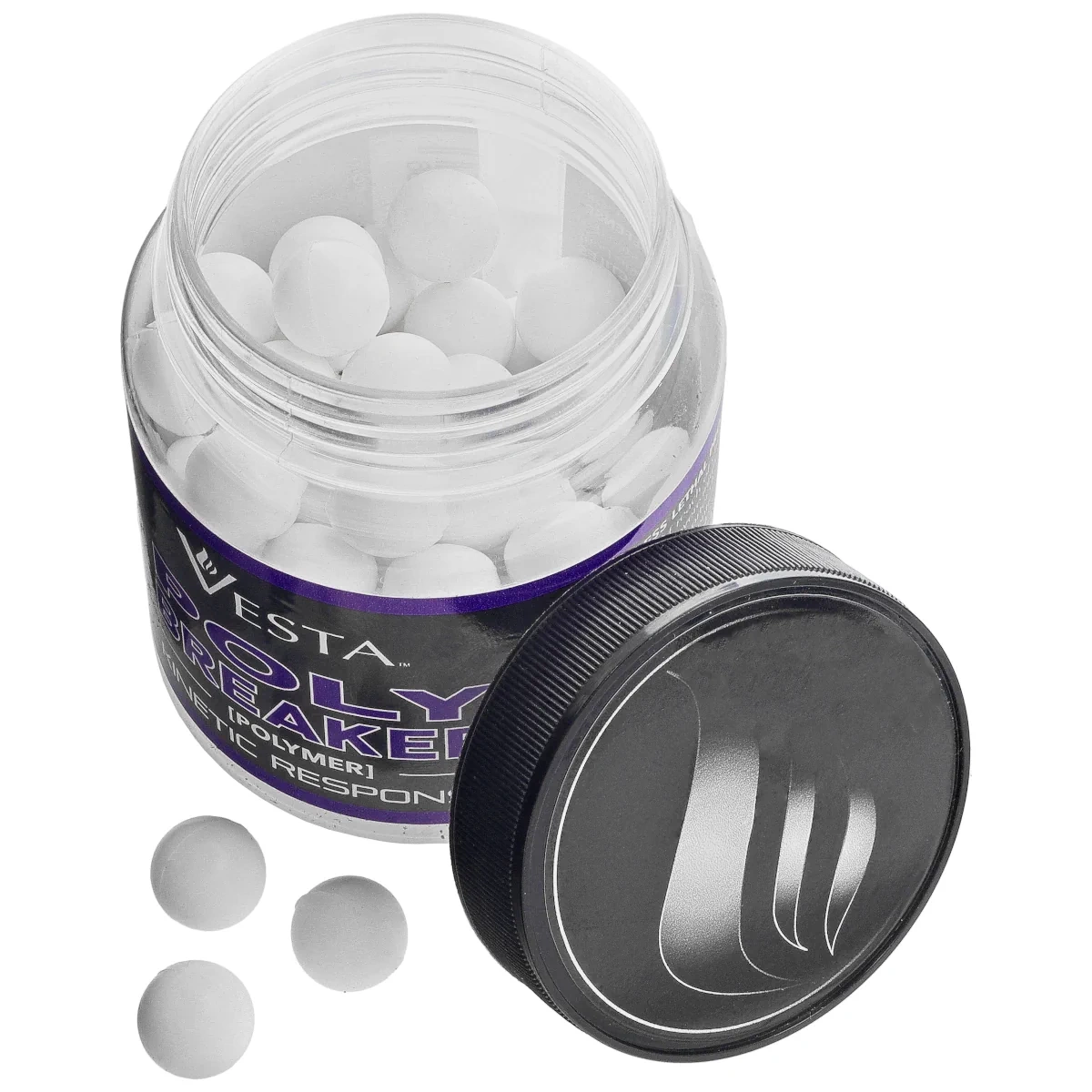
Description
1. Product Overview
Polymer Breaker — Gel Degradation is a high-activity beta-glucosidase enzyme system engineered to rapidly break down residual polymers and guar-based gels in post-fracturing operations. Its primary industrial use is in oil & gas well stimulation, where it degrades filter cake and gel residue to restore formation permeability and maximize hydrocarbon flowback. The key value proposition is precise, predictable viscosity reduction without damaging formation or tubulars, reducing non-productive time and water consumption. Strategically, it addresses the market shift toward cleaner, more efficient completions as operators face tighter environmental standards and demand higher EUR per well.
2. Key Specifications & Technical Characteristics
- Chemical Composition / Material Components: Concentrated beta-glucosidase enzyme blend with activity enhancers and stabilizers; non-ionic surfactant carrier
- Purity Level / Grade: Industrial enzyme grade; Activity ≥ 10,000 U/mL; Protein content ≥ 5.0%; Zero added heavy metals
- Physical Characteristics:
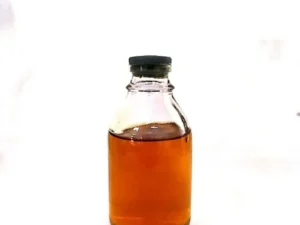
- Form: Free-flowing amber liquid
- pH: 4.5–5.5 at 25°C
- Density: 1.05–1.15 g/cm³ at 20°C
- Viscosity: < 50 cP at 25°C
- Solubility: Fully water-miscible
- Activity Temperature Range: 20°C–80°C; Optimal 50°C–65°C
- Packaging Options: 25kg HDPE drums, 200kg drums, 1000kg IBC totes; Custom bulk tanker available
- Shelf Life: 12 months when stored sealed at 4°C–25°C away from direct sunlight and oxidizers
3. Core Industrial Applications
- Primary Industries: Upstream Oil & Gas, Well Stimulation Services, Hydraulic Fracturing, Enhanced Oil Recovery, Industrial Wastewater Treatment
- Specific Operational Use Cases:
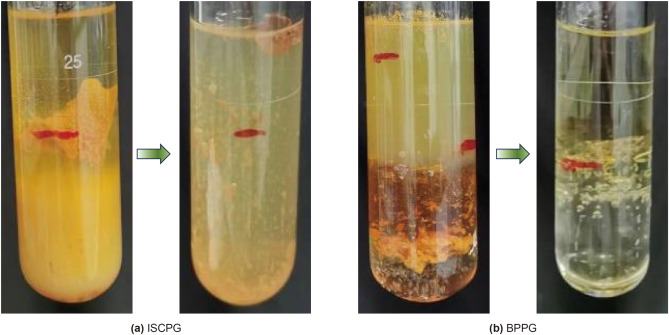
- Breaking guar and derivatized guar fracturing gels after proppant placement
- Degrading polymer-based filter cake in open-hole and cased-hole completions
- Remediation of polymer damage in injection wells to restore injectivity
- Viscosity control in polymer flood EOR operations
- Performance Advantages vs. Alternatives: Unlike oxidative breakers, Polymer Breaker operates via enzymatic hydrolysis, delivering controlled degradation without generating free radicals that corrode tubulars or precipitate insoluble residues. It functions effectively at neutral pH and low temperatures where chemical breakers underperform.
- Efficiency, Durability, Cost Advantages: Achieves >95% gel degradation within 2–4 hours at optimal conditions, reducing shut-in time and accelerating time-to-production. Lower dosage requirements of 0.05%–0.2% by volume cut chemical costs per stage. Biodegradable formulation reduces disposal liabilities and water treatment costs.
4. Competitive Advantages
- Quality Consistency: ISO 9001 manufactured with lot-to-lot activity variance <5%; Each batch COA validated by API RP-39 test protocol
- Supply Reliability: Dedicated production lines with 500 MT/month capacity; 98.5% on-time delivery rate across 30+ countries
- Logistics Capability: Global warehousing in Houston, Rotterdam, Jebel Ali, and Singapore; Hazmat-compliant documentation and dangerous goods certification for air/sea/road
- Price Competitiveness: Direct-manufacturer pricing with volume-tier discounts; 15–25% lower total cost per broken barrel vs. conventional oxidizer + enzyme combos
- Sustainability / Environmental Benefits: Readily biodegradable, non-toxic to aquatic life per OECD 301 standards; Reduces freshwater usage by enabling faster flowback and reuse
- Technical Support / Documentation: Full dossier including SDS, TDS, NSF certification, compatibility studies, and field application engineers for on-site breaker schedule design
5. Commercial & Supply Information
- Minimum Order Quantity (MOQ) BULK: 20MT
- Loading Capacity (MT per container): 18MT per 20ft FCL for IBC totes; 20MT per 20ft FCL for drums
Reviews
There are no reviews yet.