
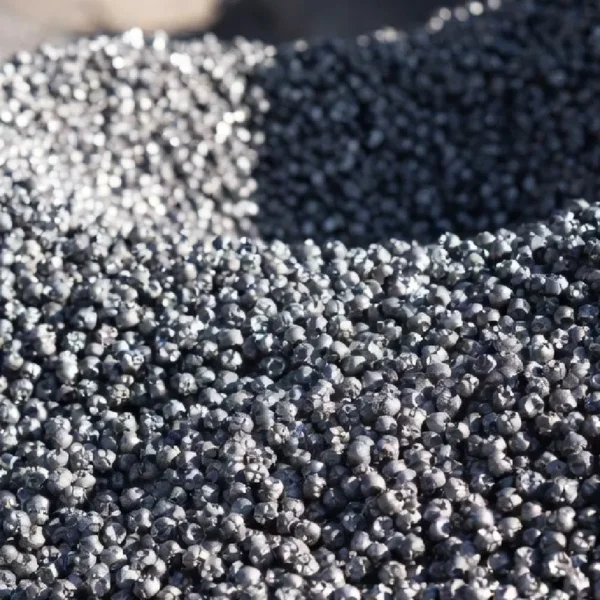
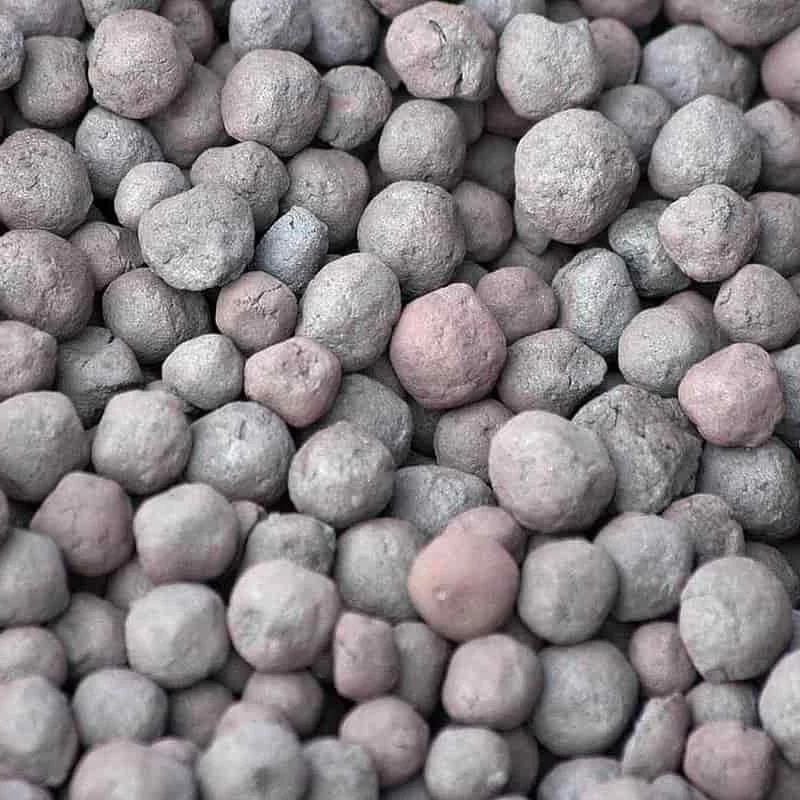
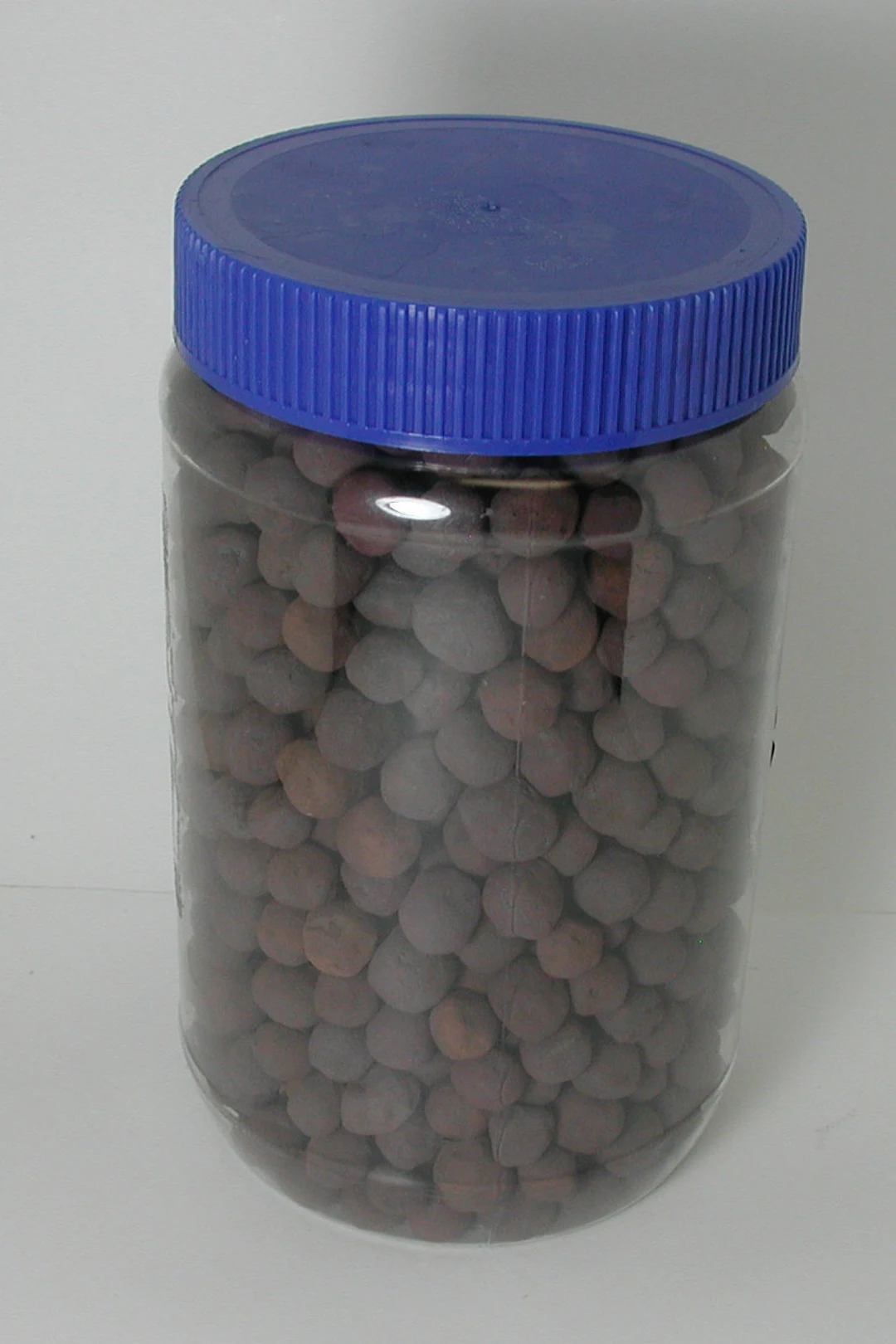
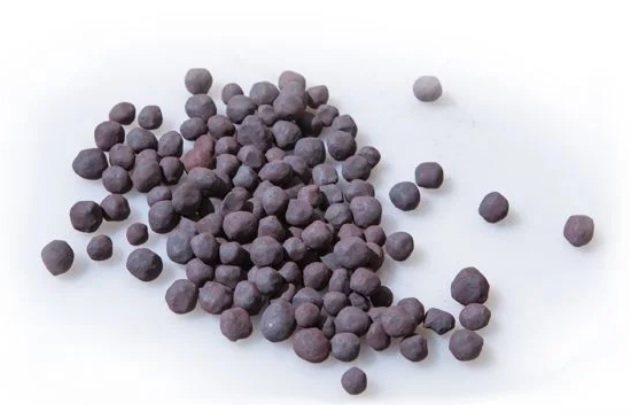
Description
1. Product Overview
Iron Ore Pellets are a premium, agglomerated iron feedstock engineered for blast furnace (BF) and direct reduction (DR) steelmaking processes. Their primary industrial use is to enable high-yield, energy‑efficient pig iron and DRI/HBI production with lower carbon intensity per metric ton of steel. The key value proposition lies in their uniform size, high iron content (≥65% Fe), and superior metallurgical properties, which improve permeability and reduce coke consumption. As global steelmakers face margin pressure and decarbonization mandates, strategically sourcing high‑grade pellets is critical to optimizing blast furnace productivity and transitioning toward green hydrogen‑based reduction.
2. Key Specifications & Technical Characteristics
-
Chemical Composition (typical, dry basis):
-
Fe total: 65.0% – 67.5%
-
SiO₂: 2.0% – 4.5%
-
Al₂O₃: 0.4% – 1.2%
-
P: ≤0.05%
-
S: ≤0.01%
-
Loss on ignition (LOI): ≤1.5%
-
-
Physical Characteristics:
-
Form: Spherical, agglomerated pellets
-
Color: Dark grey to black
-
Size range: 8 – 18 mm (90% minimum within range)
-
Bulk density: 2.2 – 2.4 t/m³
-
Cold Crushing Strength (CCS): ≥2,500 N/pellet
-
Tumble index (ASTM): ≥94% (+6.3 mm)
-
Reduction Degradation Index (RDI): ≤20%
-
-
Packaging Options:
-
Bulk vessel loading (holds, self‑unloading or grab discharge)
-
Large‑format woven polypropylene big bags (1.5 – 2.0 MT per bag, optional)
-
-
Shelf Life:
-
12 months when stored under cover, away from moisture and extreme temperature cycling. Degradation minimal due to high cold strength.
-
3. Core Industrial Applications
-
Primary industries: Integrated steel mills (BF‑BOF route), direct reduction plants (gas‑based or hydrogen‑ready DRI), merchant pellet traders, and ferroalloy producers.
-
Operational use cases:
-
Blast furnace burden optimization: Replace or supplement sinter and lump ore to increase gas permeability and lower reducing agent rate (coke/pulverized coal injection).
-
DRI shaft furnace feed: Provide consistent reducibility and avoid sticking/clumping, especially for high‑grade DR‑grade pellets.
-
Electric Arc Furnace (EAF) slag conditioning (limited use, as iron carrier).
-
-
Performance vs. alternatives:
-
Versus sinter: Higher iron grade + lower fines generation → less slag volume and lower coke rate.
-
Versus lump ore: Superior reducibility and mechanical strength → fewer hang‑ups and fewer dust losses.
-
Cost advantage: Though pellet price may be higher per DMTU, BF productivity gains and lower flux/coke costs improve total hot metal cost by 3–8% in benchmark studies.
-
4. Competitive Advantages
-
Quality consistency: Statistical process control during induration guarantees ±0.3% Fe and ±0.2% SiO₂ across all shipments – certified with third‑party mill test certificates (ISO 3082 sampling).
-
Supply reliability: Multi‑origin sourcing (Brazil, Sweden, Canada, Bahrain) with dedicated warehousing near major ports (Rotterdam, Singapore, Houston, Tianjin). Force majeure risk <1% annually over last 5 years.
-
Logistics capability: In‑house logistics desk handles vessel chartering, rail, and last‑mile trucking. Typical lead time: 25–45 days from order to discharge at buyer’s port.
-
Price competitiveness: Index‑based pricing (Platts IODEX 65% Fe, MB 65% Fe Fines) with volume‑tiered discounts. Hedging options available for contract volumes >500k MT/year.
-
Sustainability benefits: DR‑grade pellets reduce CO₂ by up to 35% versus sinter‑fed BF when used with hydrogen or NG‑based DR. Low silica content → less slag → lower energy melt.
-
Technical support: Free access to thermochemical modeling (FactSage / BF mass balance) and onsite pellet degradation testing prior to first commercial order.
5. Commercial & Supply Information
-
Minimum Order Quantity (MOQ): 20,000 MT (bulk vessel – one handysize/supramax parcel)
-
Loading capacity: 20 MT per standard 20‑ft dry bulk container (when bagged; bulk vessel loading up to 55,000 MT per shipment)
Reviews
There are no reviews yet.