
Description
1. Product Overview
Zirconium n-propoxide is a high-purity metal alkoxide precursor, essential for advanced thin-film deposition and sol-gel synthesis in electronics, optics, and catalysis. Its primary industrial use is as a zirconia (ZrO₂) source for atomic layer deposition (ALD) and chemical vapor deposition (CVD) processes. The key value proposition lies in its exceptional hydrolytic stability relative to other alkoxides combined with consistent low metal impurity profiles. Strategically, it enables manufacturers to produce high‑κ dielectrics, optical coatings, and structured catalysts—directly addressing the industry’s demand for miniaturization and thermal stability.
2. Key Specifications & Technical Characteristics
-
Chemical composition: Zirconium(IV) n-propoxide, typically 70–75 wt% in n-propanol solution (or neat upon request)
-
Purity grade: 99.9% (metals basis) / 99.99% trace metals grade available
-
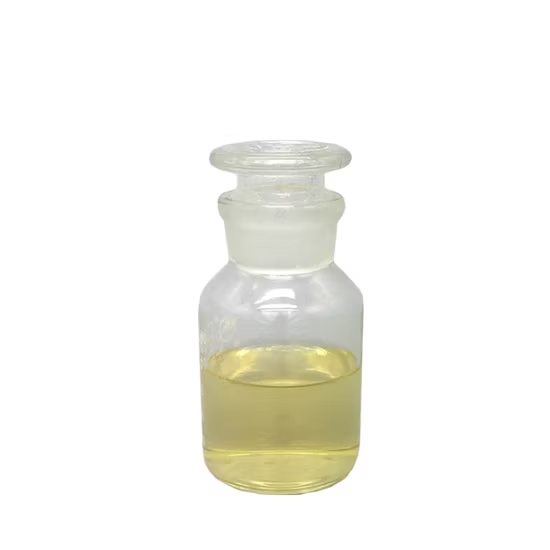
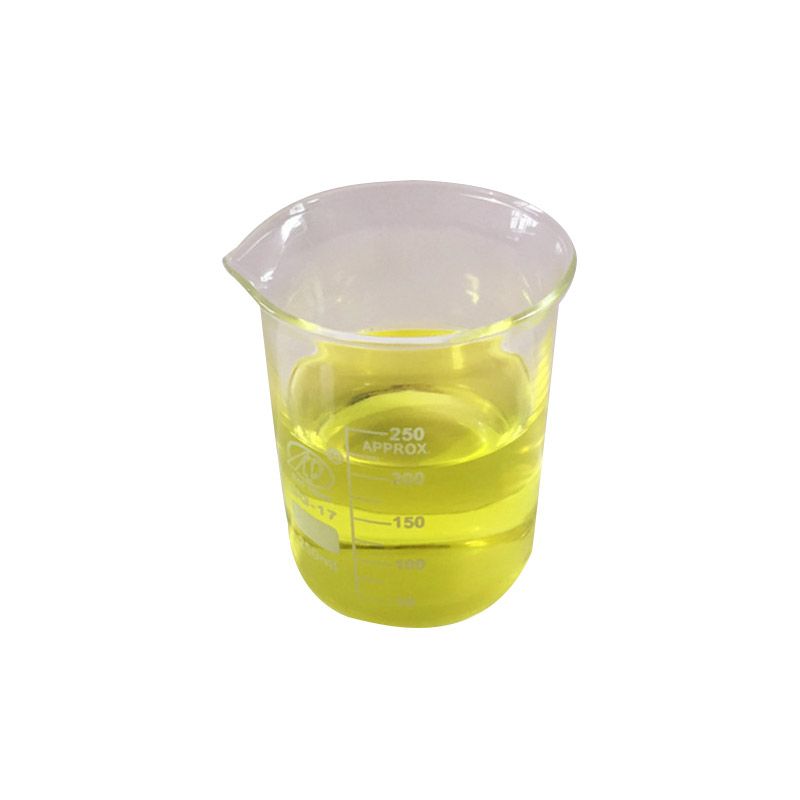
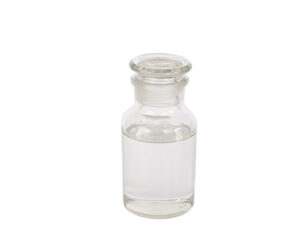
Physical form: Pale yellow to amber liquid
-
Density: ~1.05 g/cm³ (at 25°C, solution)
-
ZrO₂ equivalent content: ~28–30%
-
Key impurities controlled: <50 ppm Cl, <100 ppm Hf, <20 ppm each Fe, Na, Ti
-
Packaging options: 1 L, 5 L, 20 L (septum-sealed canisters), 200 L stainless steel drums with inert gas overlay
-
Shelf life: 12 months when stored under dry, inert atmosphere (N₂ or Ar) at 5–30°C in original unopened containers
3. Core Industrial Applications
-
Semiconductor & advanced electronics: High‑κ gate dielectric layers (ZrO₂) for logic and memory devices—outperforms hafnium alkoxides in lower leakage current and thermal budget compatibility.
-
Optical coatings: Anti-reflective and high-refractive-index layers for precision lenses and laser optics—superior film densification and fewer pinhole defects vs. chloride-based precursors.
-
Catalysis: Supported zirconia catalysts for isomerization, esterification, and biomass conversion—offers higher surface area control and acid-site uniformity compared to aqueous precipitation routes.
-
Solid oxide fuel cells (SOFCs): Dense yttria-stabilized zirconia (YSZ) electrolyte films—reduces sintering temperature by 150–200°C versus powder routes, lowering energy cost per cell.
4. Competitive Advantages
-
Quality consistency: ISO 9001:2025 certified with lot‑to‑lot FTIR and ICP‑MS traceability; each batch includes a Certificate of Analysis (CoA) detailing residual chloride, hafnium, and moisture content.
-
Supply reliability: Dual-sourced, vertically integrated manufacturing with 6+ months buffer stock at three regional hubs (Americas, EMEA, APAC). Force majeure contingency plans in place.
-
Logistics capability: UN3274 (flammable liquid, corrosive) classification handled via DG-certified partners; temperature-controlled shipping options for tropical climates.
-
Price competitiveness: Volume‑tiered pricing with long‑term contracts (12–36 months) locking in ±5% annual adjustments—no spot market volatility pass‑through.
-
Sustainability & documentation: Low-VOC n-propanol carrier reduces fugitive emissions; full Safety Data Sheet (SDS), REACH and TSCA compliance, and technical application notes for ALD/CVD process optimization available via digital portal.
5. Commercial & Supply Information
-
Minimum order quantity (MOQ): 5 kg (solution basis) / 2 kg (neat)
-
Bulk 20 MT loading capacity: Not applicable for liquid alkoxides. Equivalent bulk liquid capacity per ISO tank container: 16–18 MT net (approx. 16,000–18,000 liters) depending on solution concentration and temperature.
-
Container loading (standard 20 ft container): Up to 80 × 200 L drums → 12.8 MT net (solution basis)
Reviews
There are no reviews yet.