

Description
1. Product Overview
Hafnium tetrachloride (HfCl₄) is a high-purity inorganic intermediate critical for the production of hafnium metal and hafnium-based materials, serving as the precursor of choice for chemical vapor deposition (CVD) in semiconductor and aerospace applications. Its primary industrial use lies in manufacturing hafnium sponges, high-K gate dielectrics, and plasma-facing components for extreme environments. The key value proposition is exceptional thermal stability and chlorine purity that directly translates to lower defect rates in downstream metallurgy and thin-film deposition. Strategically, HfCl₄ is indispensable for advanced nuclear control rods (high thermal neutron capture cross-section) and next-generation logic chips, where supply chain security is a board-level priority.
2. Key Specifications & Technical Characteristics
-
Chemical composition: Hafnium tetrachloride (HfCl₄), minimum 99.9% HfCl₄ basis; zirconium content <0.5% (low-Zr grade available on request)
-
Purity level: Standard 3N (99.9%) – 4N5 (99.995%) for semiconductor CVD applications
-
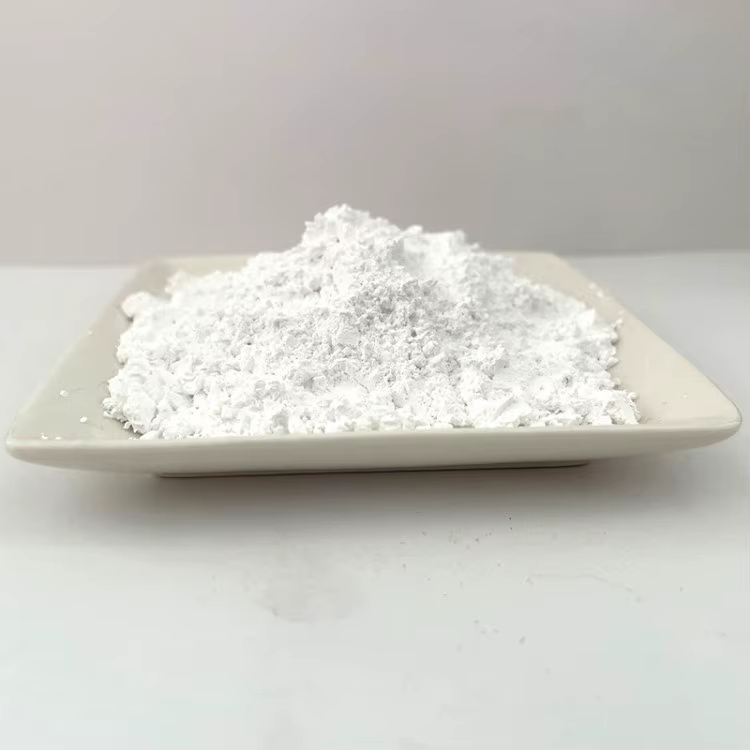
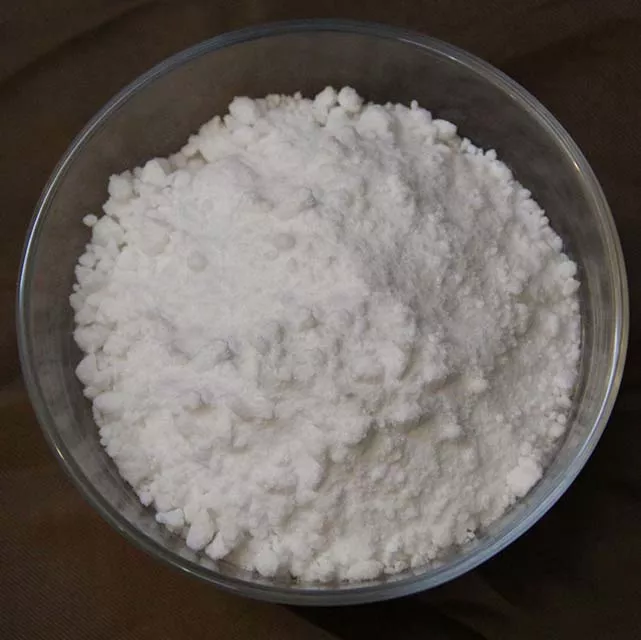
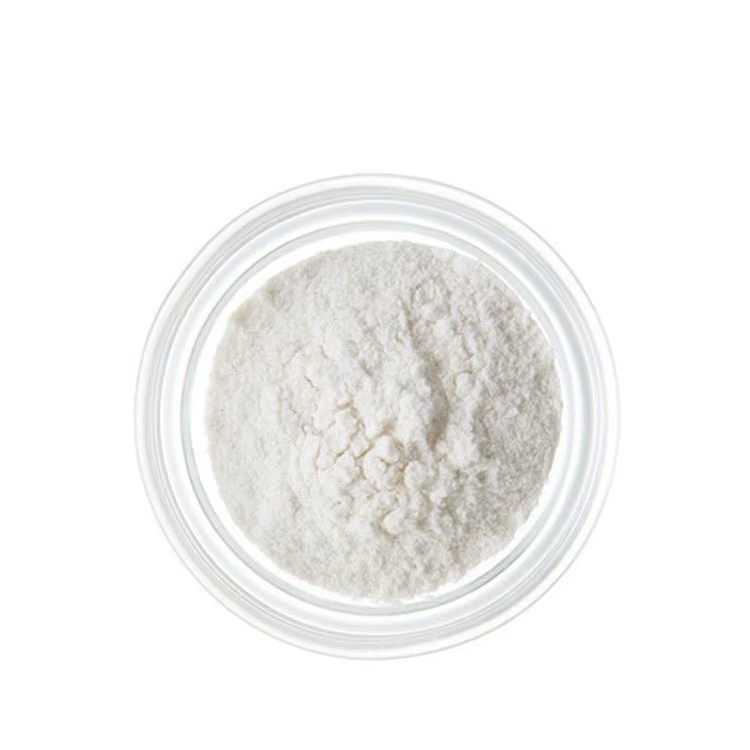
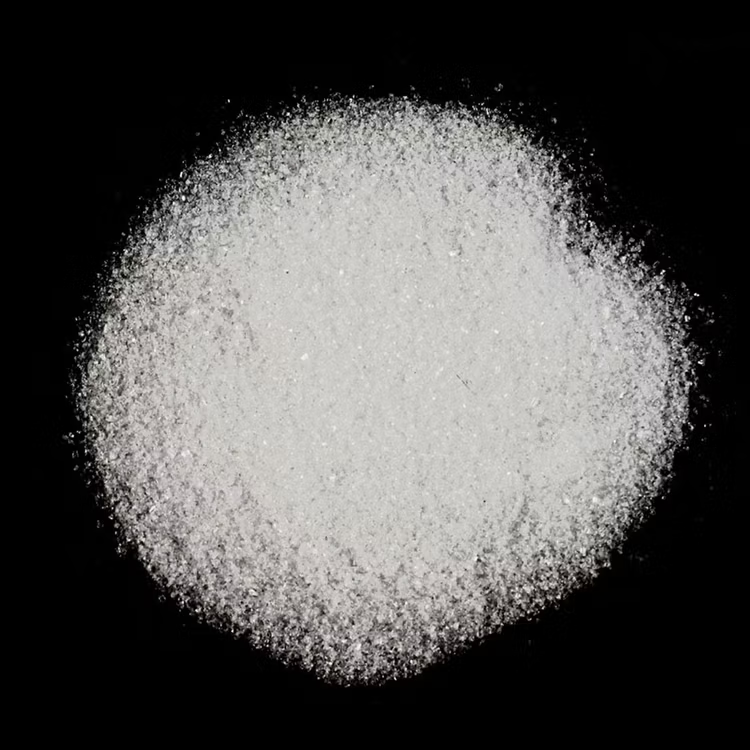
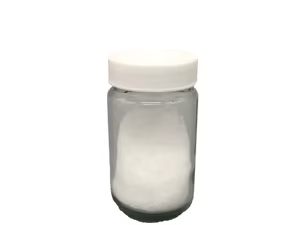
Physical characteristics: White to off-white crystalline powder; sublimation point ~317°C; bulk density approx. 1.8–2.1 g/cm³; particle size D50 10–50 µm (customizable)
-
Packaging options: 1 kg, 5 kg, 25 kg hermetically sealed aluminum-lined drums; 100 kg stainless steel ISO drums with inert gas purge; bulk bags under argon (custom)
-
Shelf life: 12 months unopened in original container; store below 30°C in dry, inert atmosphere (hygroscopic; decomposes in moisture to HfO₂ and HCl)
3. Core Industrial Applications
-
Primary industries: Semiconductor fabrication (logic & memory), nuclear engineering, aerospace alloys, optical coatings, plasma cutting consumables
-
Specific use cases: CVD for HfO₂ high-K gate dielectrics (5nm–3nm nodes); hafnium sponge production for control rods (e.g., PWR, VVER reactors); hafnium carbide coatings for rocket nozzles; precursor for hafnium silicate in DRAM capacitors
-
Performance advantage over alternatives: Compared to HfO₂ powder, HfCl₄ enables lower-temperature deposition (<400°C) with superior step coverage. Versus HfCl₄ from high-Zr feedstocks, our low-Zr variant prevents neutron absorption inefficiency in reactors and threshold voltage drift in logic chips. Efficiency gain: reduces post-deposition annealing steps by up to 20% in leading-edge fabs.
-
Cost advantage: Higher batch-to-batch sublimation consistency reduces precursor waste by ~12–15% versus ungraded alternatives.
4. Competitive Advantages
-
Quality consistency: Lot-to-lot ICP-MS analysis provided; <2% RSD in trace metal impurities (Fe, Al, Ti, Cl residuals). Meets SEMI C46-0621 standard.
-
Supply reliability: Dual-source manufacturing (North America and Europe) with 12-month rolling forecast capacity; safety stock held at three regional hubs.
-
Logistics capability: UN 3260 (corrosive solid, acidic, inorganic, n.o.s.) certified packaging; temperature-monitored dry container shipping; door-to-door with customs readiness.
-
Price competitiveness: Index-linked pricing with volume-based tiering; long-term contracts (3–5 years) lock in ±10% band annually.
-
Sustainability & compliance: Closed-loop chlorine recovery in production; full REACH and TSCA compliance; non-PFAS, no SVHCs above threshold.
-
Technical support: Dedicated application engineers for CVD process tuning; SDS, CoA, and sublimation residue protocols included with each lot.
5. Commercial & Supply Information
-
Minimum order quantity (MOQ): 5 kg for standard grade (99.9%); 1 kg for semiconductor grade (99.995%)
-
BULK 20MT loading capacity: 20 metric tons per 20-ft dry container (4 layers of 500 kg composite drums with desiccant) – requires specialized hazardous cargo booking
-
MT per container: Standard 20-ft container → 20 MT net; 40-ft HC container → 18 MT max due to weight distribution and IMO segregation rules (corrosive solid, PG II)

Reviews
There are no reviews yet.