
Description
Zirconium n-propoxide (Zr(OPr)4)
Overview
- Chemical identity: Zirconium tetra-n-propoxide, formula commonly written as Zr(C3H7O)4 or Zr(OPr)4. Because the propoxide group can be linear (n-propoxide) or branched (isopropoxide), you may also see references to Zr(OPr)4 or Zr(OiPr)4, depending on the specific propoxide used.
- Role: A widely used zirconia precursor in sol–gel chemistry and thin-film/ceramic processing. It readily undergoes hydrolysis and condensation to form Zr–O–Zr networks.
Key characteristics
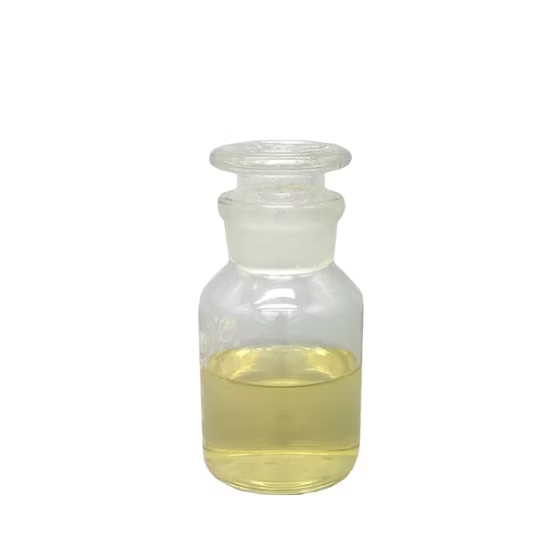
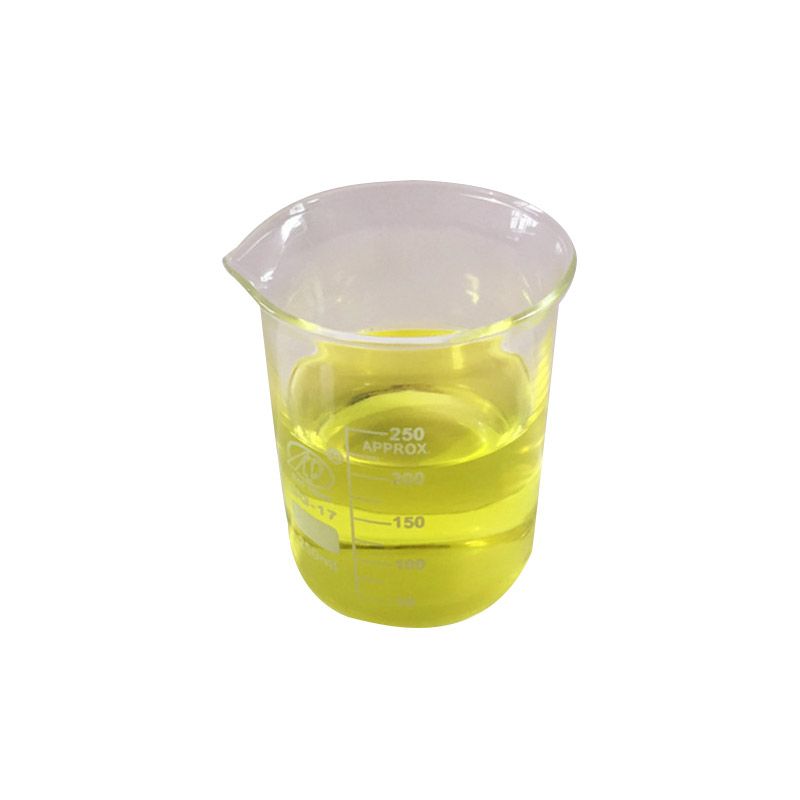
- Appears as a colorless to pale yellow liquid or solution in an alcohol.
- Moisture sensitive and can hydrolyze in air; typically stored under dry, inert conditions.
- Often isolated or used as a solvated or stabilized solution with alcohol (e.g., Zr(OPr)4·nROH).
Preparation
- A common laboratory route is alkoxide exchange from ZrCl4 with sodium propoxide:
- ZrCl4 + 4 NaOPr → Zr(OPr)4 + 4 NaCl
- Alternative routes include transesterification or hydrolysis of other zirconium alkoxides under controlled conditions. In all cases, water must be carefully controlled to manage hydrolysis and condensation.
Hydrolysis and sol–gel behavior
- In the presence of water, Zr(OPr)4 undergoes hydrolysis:
- Zr(OPr)4 + x H2O → Zr(OR)4−x(OH)x + x ROH
- The hydrolyzed species condense to form Zr–O–Zr linkages, releasing alcohol (ROH). This leads to network formation and eventually zirconia (ZrO2) upon drying and/or calcination.
- In sol–gel processing, the water amount, acid/base catalyst, and solvent composition are used to control:
- Hydrolysis rate
- Degree of condensation
- Porosity and microstructure of the final oxide
- Typical processing notes:
- Acid catalysts (e.g., HCl, acetic acid) retard hydrolysis for better control.
- Alcohol co-solvents help manage precursor stability and viscosity.
- Partial hydrolysis can yield gels with tunable porosity and film quality.
Handling and safety
- Handling: Work under dry, inert conditions if you want to maximize shelf life. Use appropriate PPE and work in a well-ventilated area.
- Storage: Keep in tightly closed containers, away from moisture and incompatible reagents.
- Safety notes: Corrosive and irritation hazards; reacts with water and air moisture to release alcohol and eventually form oxide networks. Avoid contact with strong oxidizers and heat.
Applications
- Sol–gel derived ZrO2 ceramics and coatings: Films, fibers, and bulk ceramics with controlled porosity and microstructure.
- Catalysis and supported catalysts: Used as a zirconia precursor to prepare active oxide supports.
- Optical and dielectric ceramics: High-rek, high-dielectric-constant materials via carefully engineered sol–gel routes.
- Doping and composite systems: Used in conjunction with dopants to tailor properties.
Quick reference data
- Formula: Zr(C3H7O)4 (or Zr(OPr)4)
- Molecular weight: ≈ 328 g/mol (approximate, depends on exact propoxide isomer)
- Typical state: Moisture-sensitive liquid or solution in an alcohol
- Common preparation route: ZrCl4 + 4 NaOPr → Zr(OPr)4 + 4 NaCl
- Primary reactivity: Hydrolysis and condensation to form Zr–O–Zr networks
Example use: simple sol–gel outline
- Prepare a dry solution of Zr(OPr)4 in an alcohol (or solvent mixture).
- Add a controlled amount of water (and sometimes an acid catalyst) to initiate hydrolysis.
- Allow controlled condensation to build a gel network.
- Dry and calcine to obtain ZrO2 with the desired microstructure.
If you’d like, I can tailor this to a specific application, such as a step-by-step sol–gel recipe for a dense ZrO2 film, or compare Zr(OPr)4 with other zirconium alkoxides for your process.
Reviews
There are no reviews yet.