
Description
## Zinc oxide nanoparticles (ZnO NPs)
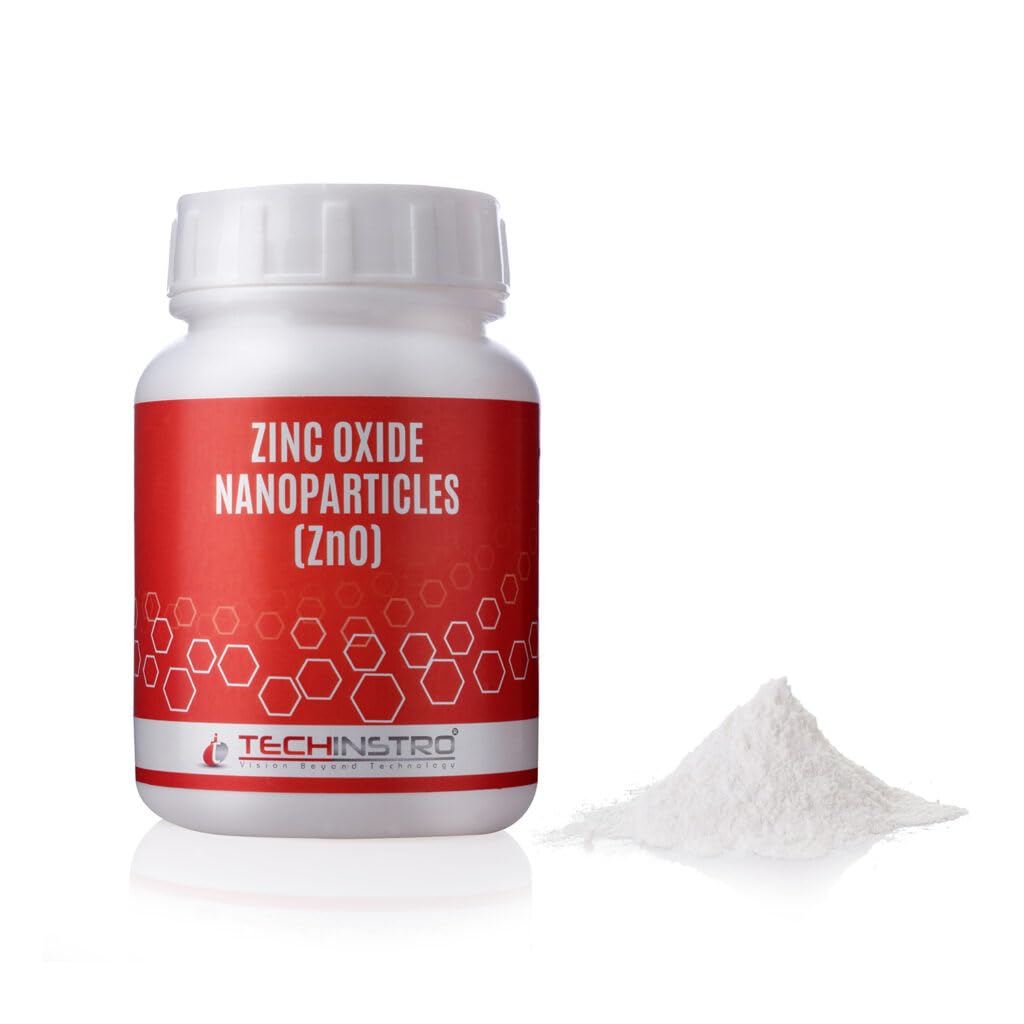
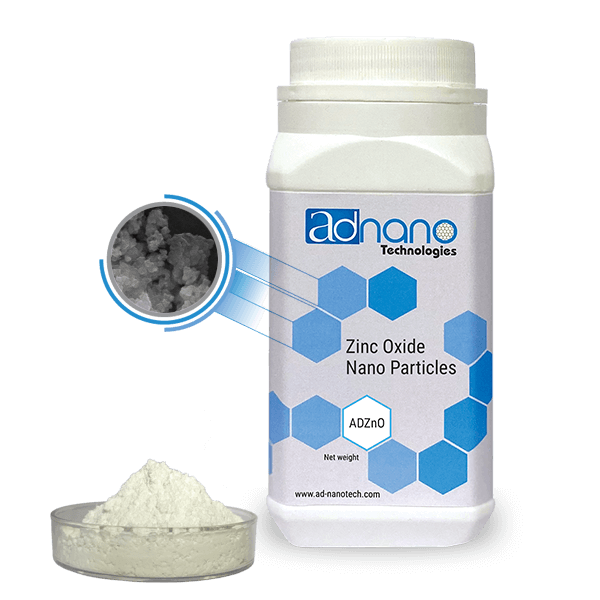
Zinc oxide nanoparticles are particles of zinc oxide with at least one dimension in the nanoscale (typically less than 100 nm). They exhibit unique optical, electronic, and chemical properties due to high surface area, quantum effects, and surface states, which differentiate them from bulk ZnO.
### Key properties
– **Wide bandgap**: ~3.2–3.37 eV, enabling strong UV absorption.
– **Photocatalysis**: Can generate reactive oxygen species under UV illumination.
– **Antimicrobial activity**: Effective against a range of bacteria and fungi, often enhanced at the nanoscale.
– **Surface effects**: High surface area-to-volume ratio leads to enhanced reactivity and surface-related phenomena.
– **Shape and size dependence**: Optical and catalytic properties can vary with particle size, shape (spheres, rods, wires, tetrapods), and surface coatings.
### Common synthesis methods
– **Chemical methods**
– Sol-gel
– Precipitation
– Hydrothermal / solvothermal
– Microemulsion
– **Physical methods**
– Ball milling
– Flame spray pyrolysis
– Laser ablation
– **Biological / green synthesis**
– Plant extracts or microorganisms used to reduce zinc salts to ZnO NPs
– **Doping and surface modification**
– Introduction of dopants (e.g., dopants to tailor optical/electronic properties)
– Surface coatings (silica, polymers, organic ligands) to improve stability and biocompatibility
### Size, shape, and surface chemistry
– Typical sizes: 5–50 nm (though larger or smaller particles are used for specific applications)
– Common shapes: spheres, rods, wires, and tetrapods
– Surface chemistry: often capped with organic molecules, polymers, or inorganic shells to improve dispersion, stability, or biocompatibility
### Characterization techniques (quick guide)
– **Structure and phase**: X-ray diffraction (XRD)
– **Morphology and size**: Transmission electron microscopy (TEM), Scanning electron microscopy (SEM)
– **Surface area**: BET nitrogen adsorption
– **Optical properties**: UV-Vis absorption spectroscopy, photoluminescence (PL)
– **Surface chemistry and oxidation state**: X-ray photoelectron spectroscopy (XPS), Fourier-transform infrared spectroscopy (FTIR)
– **Dispersion and hydrodynamics**: Dynamic light scattering (DLS)
### Applications (high-level overview)
– **UV protection and cosmetics**: active UV blocker in sunscreens
– **Antimicrobial coatings and packaging**: coatings for medical devices and food packaging
– **Photocatalysis and environmental remediation**: degradation of dyes, pollutants under UV light
– **Sensors and electronics**: UV photodetectors, gas sensors, semiconductor devices
– **Energy applications**: potential roles in solar cells and photocatalytic water splitting
– **Biomedical applications**: drug delivery and imaging research (with appropriate surface functionalization and safety considerations)
### Safety, toxicity, and environmental considerations
– **Cytotoxicity and ROS**: ZnO NPs can generate reactive oxygen species, which may damage cells at certain sizes, doses, or with specific coatings.
– **Exposure routes**: inhalation, dermal contact, and ingestion can lead to varying toxicological outcomes; inhalation in particular can affect lungs.
– **Surface coating effects**: coatings can reduce or alter toxicity; functionalization may improve biocompatibility but can also modify interactions with biological systems.
– **Environmental impact**: dissolution into Zn2+ ions and interaction with aquatic life is a consideration; persistence and bioaccumulation depend on environment and coating.
– **Best practices**: use appropriate personal protective equipment (PPE), fume hood for powder handling, engineering controls to limit inhalation risk, proper disposal, and compliance with local regulations.
### Practical considerations for starting a project
1. **Define the target property** (UV absorption, photocatalysis, antimicrobial activity, biocompatibility).
2. **Choose a synthesis route** that provides the desired size and shape, and consider scalability and cost.
3. **Plan surface modification** if dispersion in a solvent or biocompatibility is important.
4. **Select characterization suite** to confirm size, phase, surface chemistry, and functional performance.
5. **Assess safety and regulatory requirements** relevant to your application and jurisdiction.
### Quick comparison: ZnO NPs vs bulk ZnO
| Property | ZnO NPs | Bulk ZnO |
| – | – | – |
| Bandgap (approx.) | ~3.2–3.37 eV, can show size-dependent optical features | ~3.37 eV, no pronounced quantum effects |
| UV absorption | Strong, enhanced at nanoscale | Weaker surface-related effects |
| Surface area | High surface area to volume | Low surface area |
| Photocatalysis | Often enhanced due to higher surface reactivity | Lower surface reactivity per unit mass |
| Applications | UV blockers, coatings, antimicrobial NPs, sensors, catalysts | Pigments, structural materials, bulk catalysts |
### Quick-start checklist
– Identify whether you need stabilized dispersion, biocompatibility, or high reactivity.
– Select synthesis method aligned with desired size/shape and scalability.
– Plan surface modification strategy if dispersion in solvent or biological compatibility is important.
– Determine appropriate safety and environmental risk assessments and regulatory considerations.
If you have a specific aspect you want to dive into—such as a particular synthesis method, a target application, or guidance on safety and regulatory considerations—tell me more and I can tailor the information and provide step-by-step considerations or literature pointers.
Key takeaway: ZnO nanoparticles offer unique UV, optical, and catalytic properties that enable a wide range of applications, but their behavior is highly dependent on size, shape, surface chemistry, and the environment, so careful design, characterization, and safety planning are essential.


Reviews
There are no reviews yet.