

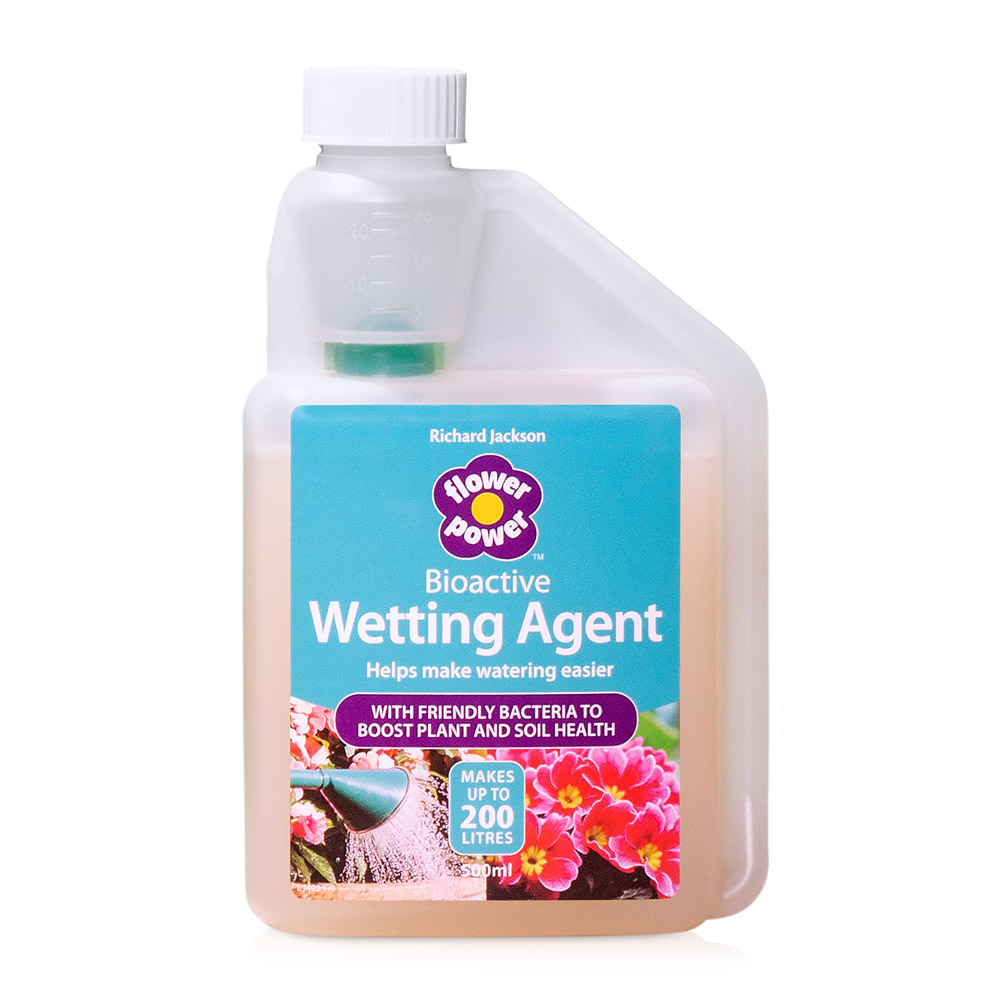
Description
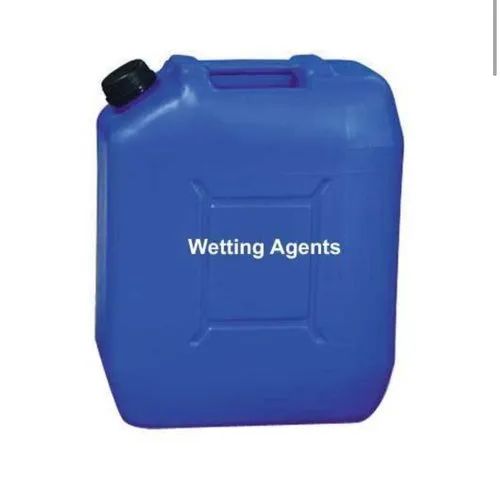
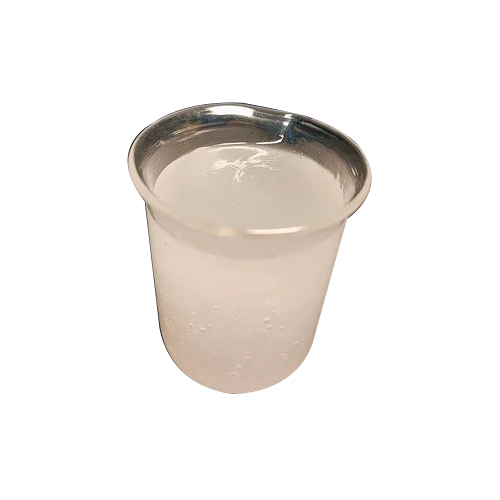
Wetting Agents: The Unsung Heroes of Effective Solutions
We often overlook the importance of seemingly minor components in achieving desired results. In various industries, from agriculture to cleaning, wetting agents play a critical, yet often underestimated, role. These specialized chemicals, also known as surfactants, are the unsung heroes that facilitate better spreading, penetration, and overall effectiveness of liquids.
What are Wetting Agents?
Simply put, a wetting agent is a substance that lowers the surface tension of a liquid, allowing it to spread more easily across a surface. Imagine water beading up on a freshly waxed car. This is due to the high surface tension of water. A wetting agent would break down that surface tension, allowing the water to sheet off smoothly.
Wetting agents achieve this feat through their unique molecular structure. They are typically amphiphilic, meaning they contain both a hydrophilic (water-loving) and a hydrophobic (water-repelling) part. This dual nature allows them to position themselves at the interface between a liquid and a solid, reducing the interfacial tension and promoting wetting.
How do Wetting Agents Work?
Think of it like this: water molecules naturally cling to each other, creating a strong surface tension that resists spreading. When a wetting agent is introduced, its hydrophobic portion adheres to the surface, while its hydrophilic portion is attracted to the water. This effectively “breaks” the cohesive forces between water molecules, allowing the liquid to spread and penetrate more easily.
Applications Across Industries:
The versatility of wetting agents makes them indispensable in a wide range of industries:
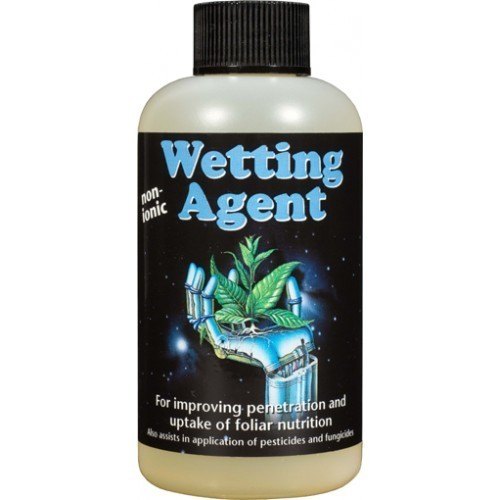
- Agriculture: In agriculture, wetting agents, often called adjuvants, are added to pesticides, herbicides, and fertilizers. They improve the coverage and penetration of these solutions on plant leaves, ensuring more effective application and reducing waste. This leads to better crop protection and improved yields.
- Cleaning and Detergents: Wetting agents are fundamental components of cleaning products. They help detergents and cleaning solutions penetrate dirt, grease, and grime, lifting them away from surfaces for easy removal. They also ensure even distribution of the cleaning agent, leading to a more thorough clean.
- Textile Industry: During textile processing, wetting agents are used to improve the dye uptake by fabrics. They allow dyes to penetrate the fibers more effectively, resulting in brighter, more even colors.
- Coatings and Inks: In the realm of coatings and inks, wetting agents promote better adhesion and leveling of the applied material. This results in smoother, more uniform finishes with enhanced durability.
- Industrial Processes: From metalworking fluids to adhesives, wetting agents play a crucial role in various industrial processes. They improve lubrication, enhance adhesion, and facilitate the processing of materials.
Types of Wetting Agents:
Wetting agents are categorized based on their ionic charge:
- Anionic Wetting Agents: These carry a negative charge and are commonly used in detergents and cleaning products.
- Cationic Wetting Agents: These carry a positive charge and are often used in fabric softeners and disinfectants.
- Non-ionic Wetting Agents: These have no charge and are known for their compatibility with a wide range of substances. They are often used in agriculture and industrial applications.
- Amphoteric Wetting Agents: These can carry either a positive or negative charge depending on the pH of the solution, making them versatile for various applications.
Choosing the Right Wetting Agent:
Selecting the appropriate wetting agent is crucial for achieving optimal results. Factors to consider include:
- The type of liquid and surface involved: The compatibility between the wetting agent and the liquid and surface is essential.
- The desired application: Different applications may require different wetting properties.
- Environmental considerations: Opting for eco-friendly and biodegradable wetting agents contributes to sustainability.
Conclusion:
Wetting agents are essential ingredients in a multitude of products and processes. While often unseen, their contribution to improved performance, efficiency, and effectiveness is undeniable. By understanding the principles behind their function and carefully selecting the appropriate type, industries can harness the power of wetting agents to achieve superior results and optimize a wide range of applications. So, next time you see a pristine, streak-free surface or a bountiful harvest, remember the silent contribution of these unsung heroes – the wetting agents.


Reviews
There are no reviews yet.