
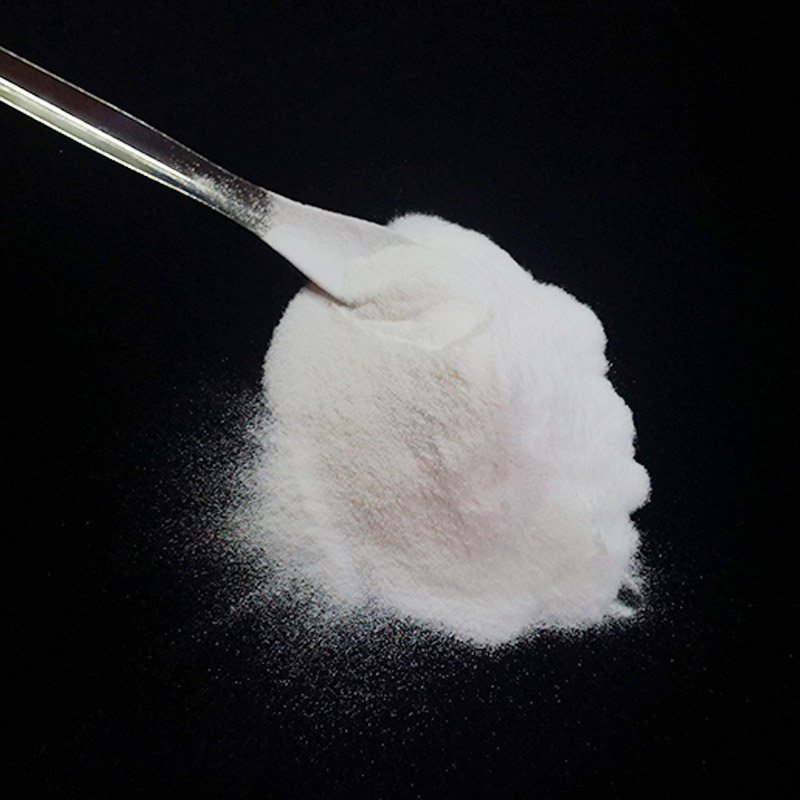
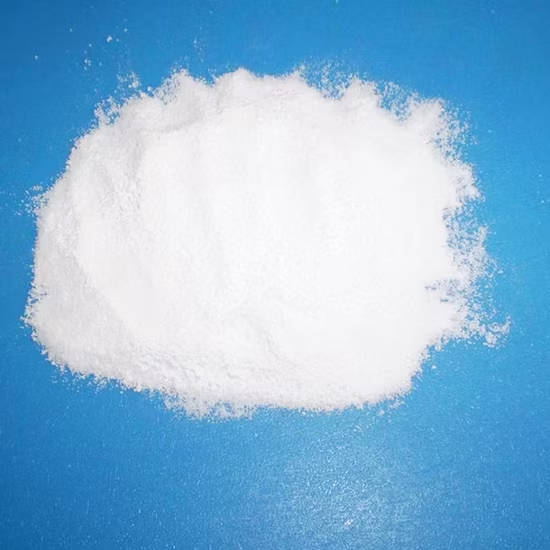
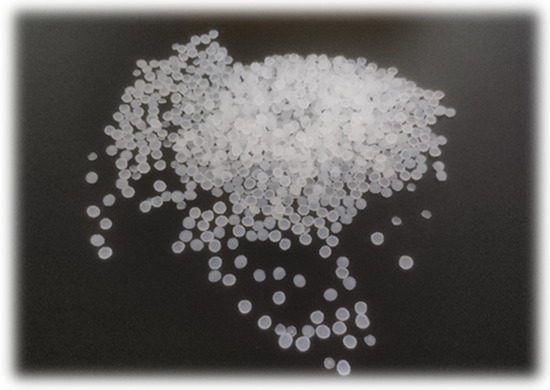
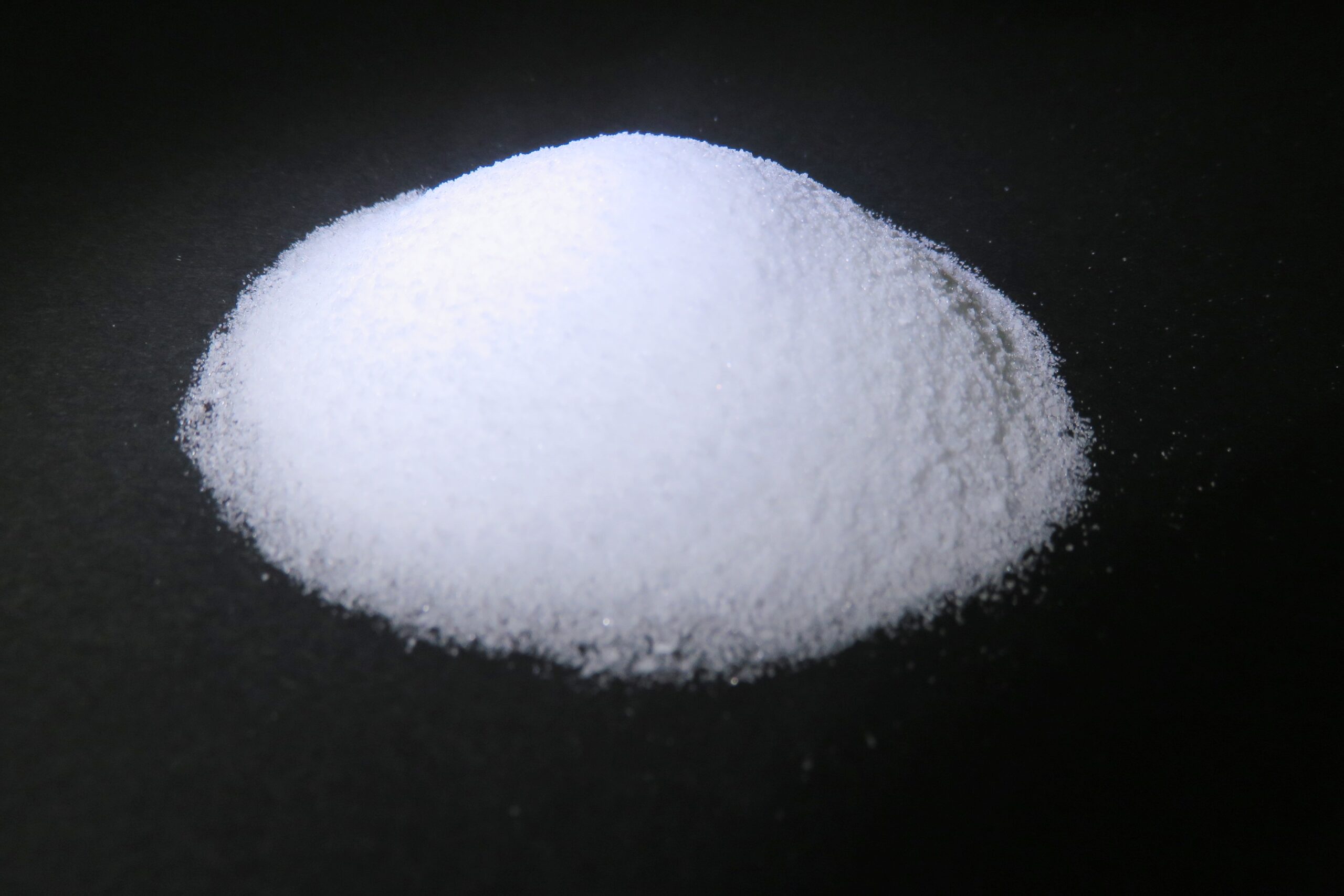
Description
The Silent Hero of Barrier Protection: A Deep Dive into Vinylidene Chloride Copolymers
In the world of high-performance materials, few substances have transformed the global supply chain as quietly—and effectively—as Vinylidene Chloride (VDC) copolymers. Often recognized by the trade name Saran™, these polymers are the gold standard for barrier protection.
Whether it’s keeping food fresh on a grocery shelf or ensuring the sterility of pharmaceutical blister packs, vinylidene chloride copolymers play a critical role in modern preservation. In this post, we’ll explore the chemistry, the unique benefits, and the evolving future of these essential materials.
What are Vinylidene Chloride Copolymers?
Vinylidene chloride (CH₂=CCl₂) is a monomer that, when polymerized alone, creates a rigid and difficult-to-process material. However, when VDC is copolymerized with other monomers—such as vinyl chloride, methyl acrylate, or acrylonitrile—the result is a versatile thermoplastic.
By adjusting the “comonomer” ratio, manufacturers can fine-tune the material’s flexibility, clarity, and processing temperature, making it suitable for everything from thin films to heavy-duty industrial coatings.
The “Gold Standard” Barrier: Key Properties
The primary reason engineers and packaging experts turn to PVDC (polyvinylidene chloride) copolymers is their unparalleled barrier properties.
- Oxygen and Gas Resistance: PVDC copolymers provide an extraordinary barrier against oxygen and other gases. This prevents oxidation, which is the primary cause of food spoilage and chemical degradation.
- Moisture Protection: Unlike many other polymers that swell or lose integrity when exposed to humidity, PVDC maintains a high moisture vapor barrier. This ensures that dry goods stay crisp and sensitive electronics or medicines stay dry.
- Aroma Retention: For the food and fragrance industries, keeping the “good smells in” and “bad smells out” is vital. PVDC copolymers are exceptional at preventing flavor scalping and odor cross-contamination.
- Chemical Inertness: These copolymers are highly resistant to fats, oils, and many aggressive chemicals, making them ideal for industrial liners and coatings.
Major Applications Across Industries
The versatility of VDC copolymers allows them to serve multiple high-stakes industries:
1. Food Packaging
This is the most visible application. PVDC is used as a coating on films (like BOPP or PET) or as a multilayer extrusion. It is the reason why fresh meats can remain red and shelf-stable for longer periods and why cheeses don’t mold prematurely.
2. Pharmaceuticals
In the medical world, stability is a matter of safety. PVDC-coated PVC is the most common material for blister packaging. It provides the necessary moisture and oxygen barrier to ensure that life-saving medications don’t lose potency before their expiration date.
3. Industrial Coatings
Because of its flame-retardant properties and chemical resistance, VDC copolymers are used in specialized coatings for metal pipes, storage tanks, and even as binders in flame-retardant fiber applications.
Processing Considerations
While PVDC copolymers offer superior performance, they require technical expertise to process. They are thermally sensitive; if overheated, they can release hydrogen chloride gas, which can be corrosive to standard machinery.
To mitigate this, manufacturers use specialized, corrosion-resistant equipment (such as Hastelloy or nickel-plated components) and strict temperature controls. The result of this extra care is a product that outperforms almost every other commodity plastic on the market.
The Sustainability Outlook
As the industry moves toward a circular economy, the role of chlorinated polymers is often scrutinized. However, PVDC copolymers contribute to sustainability in a different way: Waste Reduction.
By significantly extending the shelf life of perishable goods, PVDC reduces the massive environmental footprint associated with food waste. Furthermore, because it is such an effective barrier, manufacturers can use much thinner layers of PVDC compared to other materials to achieve the same result (a concept known as “material lightweighting”).
Looking forward, the industry is investing in improved sorting technologies and chemical recycling processes to ensure that these high-performance materials can be integrated into modern recycling streams.
Conclusion
Vinylidene chloride copolymers remain an indispensable tool for the packaging and manufacturing sectors. Their ability to protect products from the elements—while remaining lightweight and chemically resilient—makes them a cornerstone of modern logistics.
As we continue to demand more efficient and durable ways to transport goods globally, PVDC technology will undoubtedly continue to evolve, balancing high-performance protection with the latest in material science innovation.
For more insights into high-performance polymers and industrial material science, subscribe to our newsletter or follow our blog.



Reviews
There are no reviews yet.