
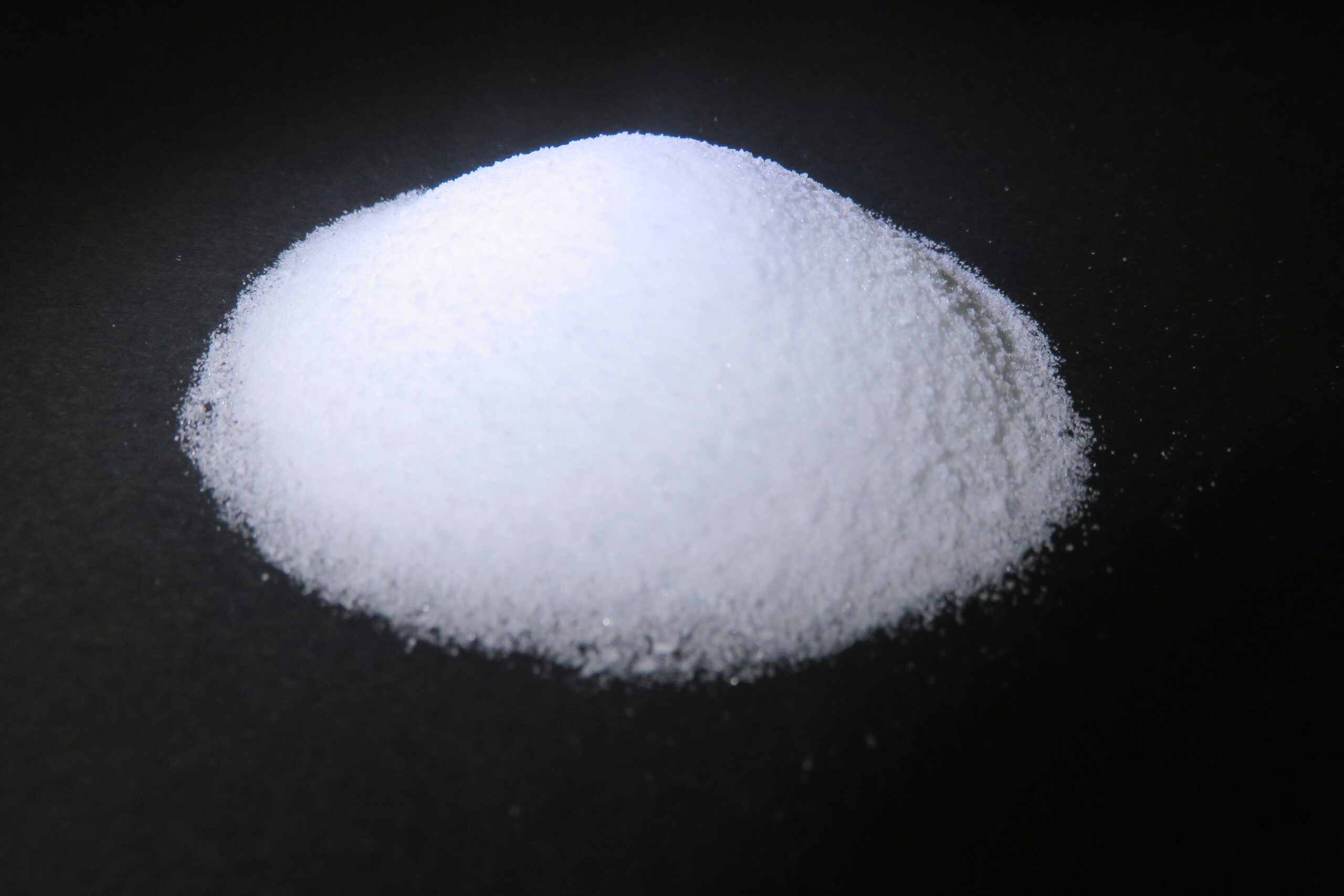
Description
Vinylidene chloride (VDC) is a chlorinated hydrocarbon with the molecular formula CH2=CCl2. It is a colorless, flammable liquid with a pungent odor. The polymerization of VDC with other monomers results in the formation of copolymers with alternating sequences of VDC and the comonomer units. The most common copolymers are those of VDC with acrylonitrile (AN), acrylate (AA), and methyl acrylate (MA).
The copolymerization process can be carried out using various techniques, such as free radical polymerization, anionic polymerization, and controlled radical polymerization. The choice of the polymerization method and the ratio of VDC to the comonomer can significantly influence the properties of the resulting copolymers.
Properties of Vinylidene Chloride Copolymers
Vinylidene chloride copolymers exhibit several unique properties that make them suitable for various applications:
- Barrier properties: Vinylidene chloride copolymers possess excellent barrier properties against gases, such as oxygen and carbon dioxide, and moisture. This makes them ideal for use in food packaging, where they can help extend the shelf life of perishable products by preventing the ingress of oxygen and moisture.
- Chemical resistance: Vinylidene chloride copolymers exhibit excellent resistance to a wide range of chemicals, including acids, alkalis, and organic solvents. This property makes them suitable for use in chemical processing, storage, and transportation applications.
- Mechanical strength: Vinylidene chloride copolymers have good tensile strength, elongation, and impact resistance, making them suitable for applications that require high mechanical strength.
- Transparency: Vinylidene chloride copolymers can be formulated to be transparent, making them suitable for use in applications where optical clarity is essential, such as in windows and optical components.
Applications of Vinylidene Chloride Copolymers
Vinylidene chloride copolymers have found widespread applications in various industries due to their unique properties:
- Food packaging: The excellent barrier properties of vinylidene chloride copolymers make them ideal for use in food packaging applications. They can help extend the shelf life of perishable products by preventing the ingress of oxygen and moisture, thereby reducing spoilage and waste.
- Pharmaceuticals: Vinylidene chloride copolymers are used in the pharmaceutical industry for the packaging of drugs and other medical products. Their excellent barrier properties help protect the contents from moisture, oxygen, and other contaminants, ensuring the safety and efficacy of the products.
- Protective coatings: Vinylidene chloride copolymers are used in the formulation of protective coatings for various applications, such as automotive, construction, and marine industries. Their excellent chemical resistance and mechanical strength make them suitable for use in harsh environments where corrosion and wear are major concerns.
- Industrial applications: Vinylidene chloride copolymers are used in the chemical processing industry for the storage and transportation of corrosive chemicals. Their excellent chemical resistance ensures the safe handling and storage of these chemicals, reducing the risk of accidents and spills.
Conclusion
Vinylidene chloride copolymers are a versatile class of synthetic polymers with unique properties that make them suitable for a wide range of applications. Their excellent barrier properties, chemical resistance, and mechanical strength make them ideal for use in food packaging, pharmaceuticals, protective coatings, and industrial applications. With continued research and development, new applications for vinylidene chloride copolymers are likely to emerge, further expanding their use in various industries.



Reviews
There are no reviews yet.