
Description
Ultra-high purity ammonia (>99.999%)
Ultra-High Purity Ammonia (UHP NH3) refers to ammonia gas with a purity threshold greater than 99.999% (often called 5N) and sometimes higher (6N or more) depending on the supplier and application. This level of purity is typically required for sensitive processes such as semiconductor manufacturing, trace gas calibration, and high-precision analytical applications.
What the purity levels mean
- 5N (99.999%): Common UHP specification for many industrial and calibration uses.
- 6N (99.9999%) and higher: Used for the most demanding semiconductor, research, or metrology applications.
- Real-world purity is expressed as a certificate of analysis (COA) from the supplier and includes explicit limits on various impurity categories.
Impurity categories and typical targets
Purity is defined by how much of each impurity remains in the gas. The exact limits depend on the supplier and the grade, but common categories include:
- Water (H2O): Residual moisture must be kept very low to avoid corrosive or reactive interactions in downstream equipment.
- Oxygen (O2): Trace levels are minimized to prevent oxidation of catalysts, metals, or sensor components.
- Carbon dioxide (CO2) and Carbon monoxide (CO): Reduced to very low levels to prevent contamination of processes and calibration standards.
- Hydrocarbons (e.g., CH4, C2H6, etc.): Kept at trace levels to avoid hydrocarbon buildup or interference in detectors and reactors.
- Hydrogen sulfide (H2S) and other sulfur compounds: Restricted to very low concentrations due to corrosive and toxic properties.
- Particulates: Extremely low particulate content to avoid clogging valves, detectors, and nanopatterns in semiconductor processes.
- Other trace impurities: May include nitrogen-containing species, ammonia byproducts, or metal contaminants depending on the purification steps.
Note: The exact numerical limits vary by supplier and grade. For precise numbers, always refer to the COA or specification sheet provided by the supplier.
How UH ammonia is produced and purified
Ultra-high purity ammonia requires more extensive purification than standard industrial ammonia. Typical approaches include:
- Pre-purification of feedstock gases to remove bulk moisture, CO2, and other common impurities.
- Cryogenic or chemical purification trains consisting of:
- Drying stages (molecular sieve or desiccants) to reduce H2O content.
- Oxygen scavengers or getters to reduce O2 and oxidizable species.
- Carbon capture steps to minimize CO2 and CO.
- Hydrocarbon scavengers to reduce CH4 and heavier hydrocarbons.
- Gas polishing with getters and adsorbents designed for trace decontamination.
- Fractional distillation or membrane separation in some systems to separate trace impurities from NH3.
- Quality assurance steps including thorough testing and certification (COA) to verify impurity levels.
Handling, storage, and safety
Ammonia is toxic and caustic in concentrated form. When dealing with UHP NH3:
- Use in a well-ventilated area or fume hood; ensure gas detectors are present for NH3 and oxygen.
- Wear appropriate PPE: chemical-resistant gloves, safety goggles, and protective clothing.
- Store cylinders upright in a cool, dry, well-ventilated area away from heat sources and incompatible materials.
- Regularly inspect cylinders and connections for leaks; use compatible regulators and materials.
- Follow your institution’s or facility’s standard operating procedures (SOPs) for handling high-purity gases.
Verification and quality assurance
- Certificate of Analysis (COA): Reputable suppliers provide a COA detailing the purity level and impurity limits.
- Analytical methods: Common methods to verify purity include gas chromatography (GC), Fourier transform infrared spectroscopy (FTIR), and specific detectors tailored for NH3 and trace impurities.
- Traceability: Look for lot-specific data, calibration standards, and lot-to-lot consistency information.
Choosing a supplier or grade
When selecting a supplier or grade for UHP NH3, consider:
- Purity specification: Confirm the exact grade (5N, 6N, etc.) and the impurity limits relevant to your process.
- COA availability: Ensure COAs are issued with each lot and include traceability data.
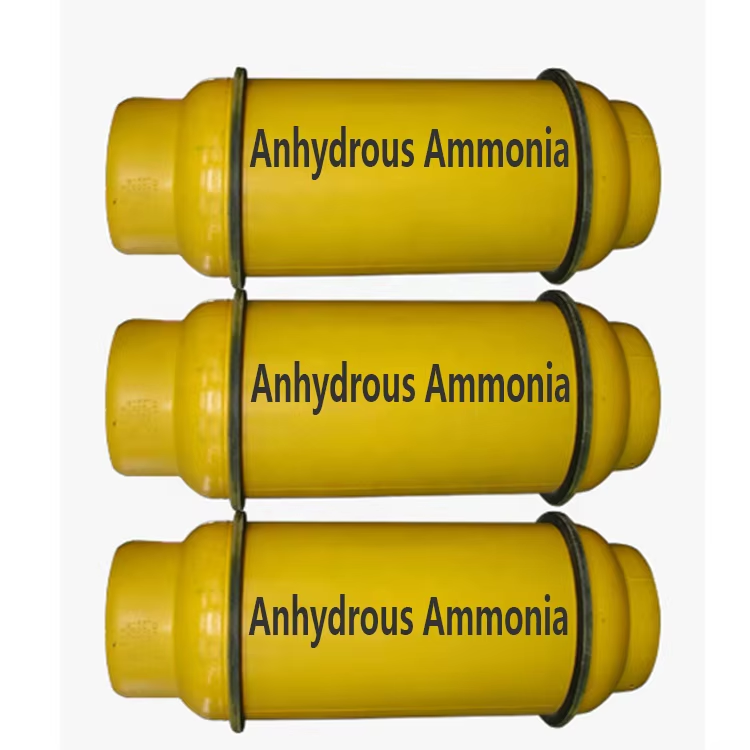
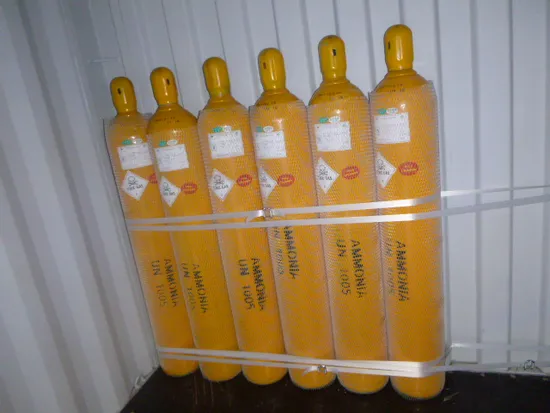
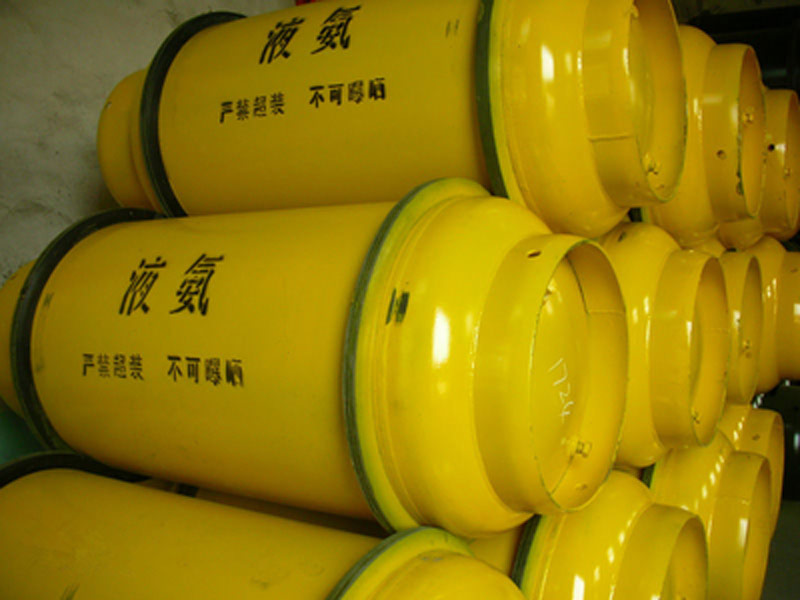
- Delivery and packaging: Cylinders or bundles of NH3 should be certified for ultra-high purity use, with appropriate regulators and fittings compatible with UH gas.
- Technical support: Access to application notes or recommendations for your specific process, including storage and handling guidelines.
- Compliance: Supplier adherence to quality standards (for example, ISO/IEC 17025, if applicable) and safety regulations.
Quick takeaways
- Ultra-high purity ammonia (>99.999%) is used where trace impurities must be minimized to very low levels.
- Purity levels are supported by COAs and strict analytical verification.
- Purification involves multiple stages designed to remove moisture, oxygen, CO2/CO, hydrocarbons, sulfur compounds, and particulates.
- Handling and safety are critical due to ammonia’s toxicity and caustic nature.
Reviews
There are no reviews yet.