
Description
Tungsten hexacarbonyl (W(CO)6)
Tungsten hexacarbonyl is a classic organometallic complex where tungsten is bound to six carbonyl ligands. It serves as a versatile precursor in tungsten carbonyl chemistry and related applications.
Structure and bonding
- Formula: W(CO)6
- Geometry: Octahedral (Oh symmetry)
- Oxidation state: 0
- Electron count: 18 electrons (6 from W, 12 from six CO ligands)
- CO ligands are terminal and collectively give characteristic strong C–O stretches in the IR spectrum.
Physical properties
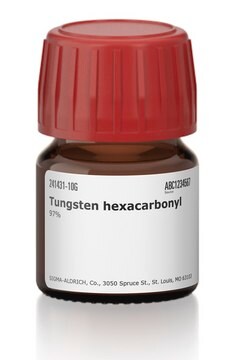
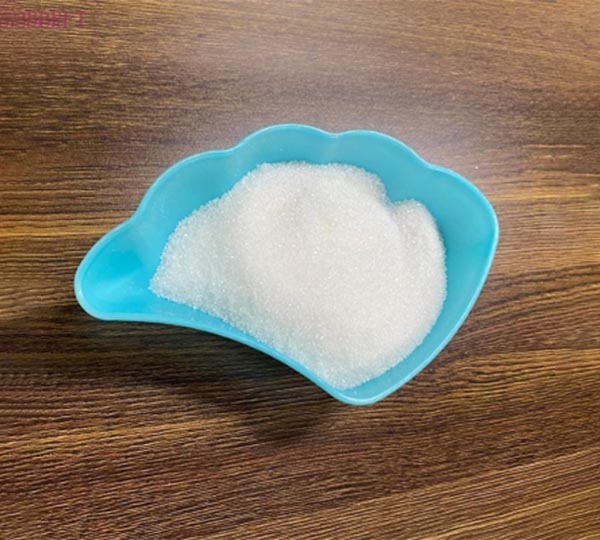
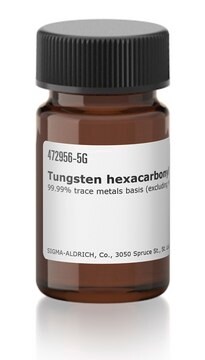
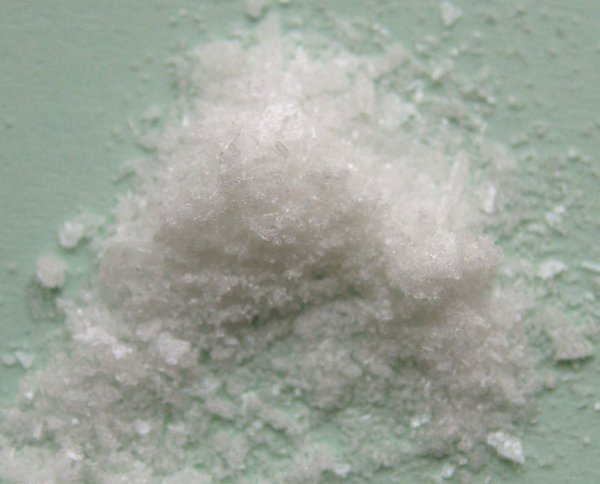
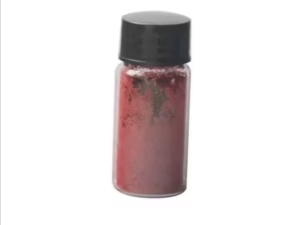
- Appearance: White to pale yellow crystalline solid
- Stability: Relatively air-stable as a solid, but can decompose under strong light or heat and release CO
- Volatility: Substantial volatility; can sublimate under reduced pressure
- Solubility: Soluble in many nonpolar organic solvents; limited water solubility
Synthesis (high-level)
- W(CO)6 is typically prepared by carbonylation processes that convert reduced tungsten species under a CO atmosphere. In practice, it is often described as being formed from tungsten halides or oxides under carbon monoxide with a suitable reducing system. Exact laboratory procedures vary and should follow established inorganic chemistry references.
Reactivity and typical chemistry
- CO dissociation: Under photolysis or heating, CO ligands can dissociate to give lower-coordinate tungsten carbonyl species such as W(CO)5.
- Ligand substitution: The dissociated CO sites can be reoccupied by neutral ligands (for example phosphines, isocyanides, dienes), giving a variety of tungsten carbonyl complexes (e.g., W(CO)5L).
- Applications of reactivity: By exploiting CO loss and ligand binding, W(CO)6 is a common starting material for synthesizing new tungsten carbonyl complexes and for preparing catalysts.
- Use as a carbonyl source in deposition: It is employed as a volatile tungsten source in chemical vapor deposition (CVD) and related thin-film fabrication methods to deposit tungsten metal or tungsten-containing films.
Uses and applications
- Precursor in organometallic synthesis: Starting point for preparing diverse tungsten carbonyl complexes.
- Materials processing: Used as a source of tungsten in CVD and related deposition techniques.
- Research and teaching: A foundational example in inorganic and organometallic chemistry for teaching 18-electron rule, metal carbonyl bonding, and substitution chemistry.
Safety and handling
- Handle in a well-ventilated hood; carbonyl complexes can release CO under heat or photolysis, which is toxic.
- Avoid exposure to light and high temperatures that promote CO loss.
- Follow standard lab safety practices for handling volatile organometallic compounds and consult the material safety data sheet (MSDS) for detailed guidance.
Quick comparison (W(CO)6 vs a related complex)
| Property | W(CO)6 | Mo(CO)6 (comparison) |
|---|---|---|
| Central metal | Tungsten(0) | Molybdenum(0) |
| Geometry | Octahedral (Oh) | Octahedral (Oh) |
| Electron count | 18 e− | 18 e− |
| CO ligands | 6 terminal | 6 terminal |
| Main use | Precursor for tungsten carbonyl chemistry | Precursor for molybdenum carbonyl chemistry |
Reviews
There are no reviews yet.