


Description
Title: Understanding Tris(2-chloroethyl) Phosphate (TCEP): Properties, Uses, and Safety
Introduction
Tris(2-chloroethyl) phosphate (TCEP), also known as triethyl phosphate or triethyl phosphite, is an organophosphorus compound widely used in various industries due to its unique chemical properties. In this article, we will explore the properties, uses, and safety considerations associated with TCEP.
Properties of Tris(2-chloroethyl) Phosphate (TCEP)
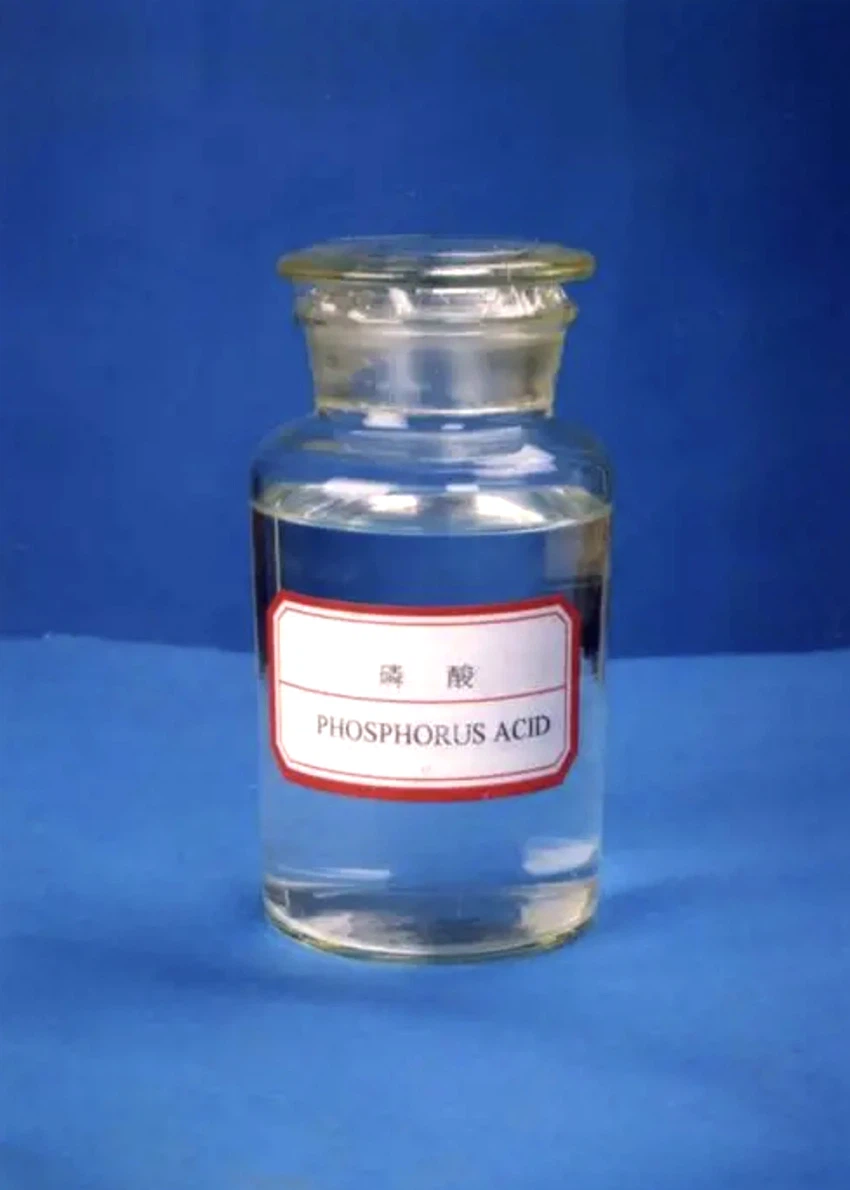
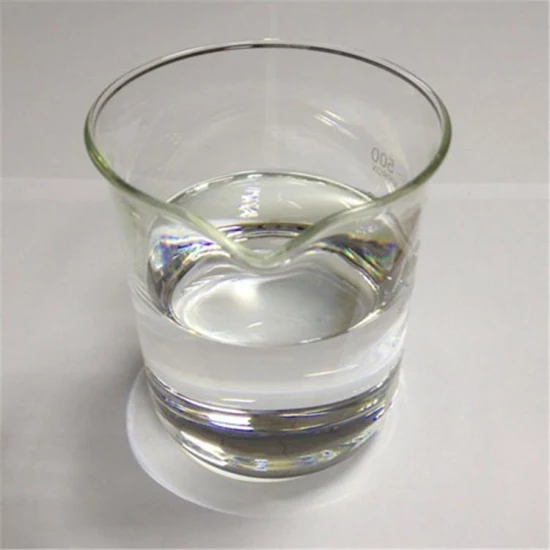
TCEP is a colorless, odorless, and viscous liquid at room temperature. It has a molecular weight of 191.46 g/mol and a boiling point of 275°C. TCEP is highly soluble in water and most organic solvents, which makes it an ideal solvent for various chemical reactions.
TCEP is known for its high reactivity, particularly with alcohols and amines, which makes it a versatile compound for chemical synthesis. Its phosphorus-chlorine bond is susceptible to hydrolysis, leading to the formation of phosphate esters and hydrochloric acid. This property is often exploited in the synthesis of phosphate esters and other organophosphorus compounds.
Uses of Tris(2-chloroethyl) Phosphate (TCEP)
TCEP finds numerous applications in various industries due to its unique chemical properties. Some of the primary uses of TCEP include:
- Chemical synthesis: TCEP is widely used as a reagent in organic synthesis, particularly in the synthesis of phosphate esters and other organophosphorus compounds. It is also used as a catalyst in various chemical reactions, such as esterification and transesterification.
- Polymer industry: TCEP is used as a flame retardant in the production of plastics, particularly in the manufacturing of polyurethane foams, polyester resins, and epoxy resins. Its high reactivity and ability to form strong covalent bonds with the polymer matrix make it an effective flame retardant.
- Lubricants and hydraulic fluids: TCEP is used as an additive in lubricants and hydraulic fluids to improve their performance and reduce wear. Its ability to form strong bonds with metal surfaces and its high thermal stability make it an ideal additive for these applications.
- Agriculture: TCEP is used as a pesticide in agriculture, particularly as an insecticide and acaricide. Its high reactivity with biological molecules, such as proteins and enzymes, makes it an effective pest control agent.
Safety Considerations for Tris(2-chloroethyl) Phosphate (TCEP)
TCEP is considered a hazardous substance due to its high reactivity and potential to cause harm to human health and the environment. Some of the safety considerations associated with TCEP include:
- Toxicity: TCEP is toxic if ingested, inhaled, or absorbed through the skin. It can cause irritation to the eyes, skin, and respiratory tract, as well as more severe health effects, such as organ damage and neurological disorders, if exposure levels are high.
- Flammability: TCEP is flammable and can form explosive mixtures with air. Proper storage and handling procedures must be followed to minimize the risk of fire and explosion.
- Environmental hazards: TCEP is toxic to aquatic life and can cause long-term harm to the environment if released into water bodies. Proper waste disposal methods must be employed to prevent environmental contamination.
- Personal protective equipment (PPE): When working with TCEP, it is essential to wear appropriate PPE, such as gloves, goggles, and a respirator, to minimize the risk of exposure and injury.
Conclusion
Tris(2-chloroethyl) phosphate (TCEP) is a versatile organophosphorus compound with numerous applications in various industries. Its high reactivity and ability to form strong bonds with other molecules make it an ideal reagent for chemical synthesis, a flame retardant in polymers, and an additive in lubricants and hydraulic fluids. However, its hazardous nature requires proper handling, storage, and disposal procedures to ensure the safety of workers and the environment.


Reviews
There are no reviews yet.