

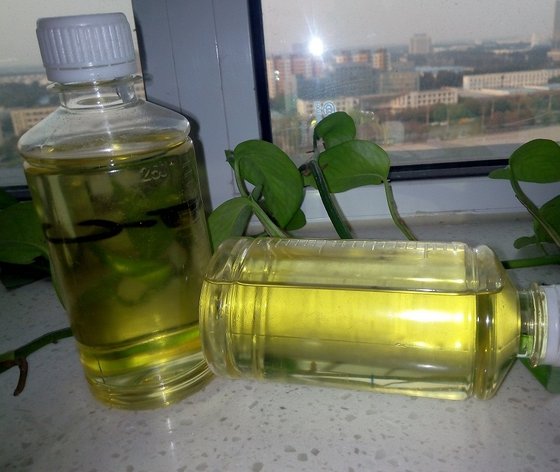
Description
Trimethylolpropane (TMP): A Versatile Building Block in Diverse Industries
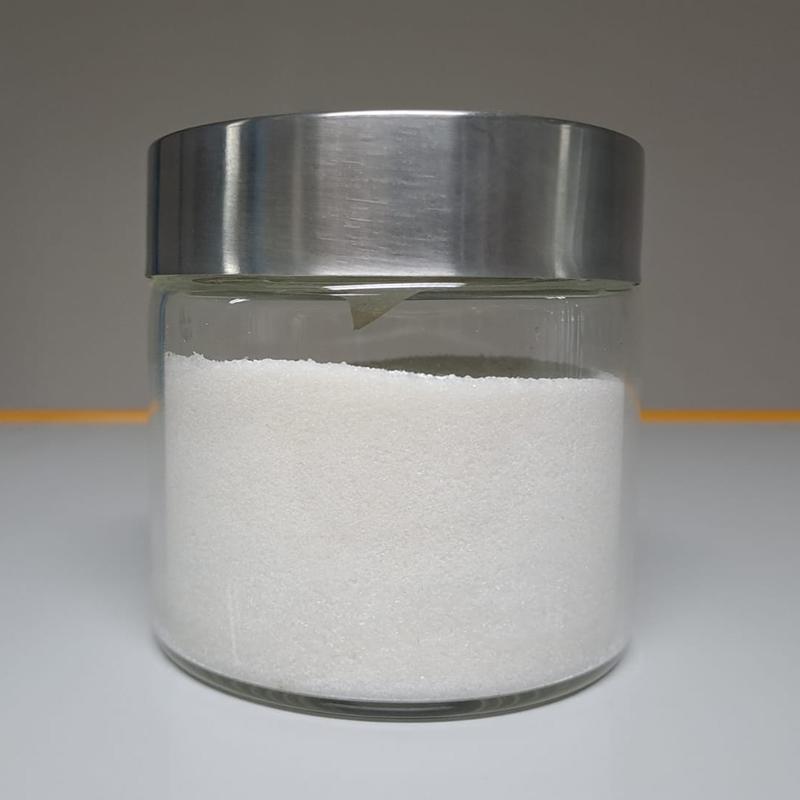
Trimethylolpropane (TMP) is a polyol, an organic compound containing multiple alcohol (hydroxyl) groups. Its unique structure and reactivity make it a vital building block in a vast array of industrial applications, contributing to improvements in performance and durability across sectors ranging from paints and coatings to lubricants and plastics.
Chemical Properties and Structure:
TMP is a trifunctional alcohol, meaning it has three hydroxyl (-OH) groups attached to its central propane backbone. Its chemical formula is C6H14O3. This trifunctionality is key to its reactivity and ability to form cross-linked structures, enhancing the properties of the final products.
Production:
TMP is primarily produced through a two-step process involving the reaction of butyraldehyde with formaldehyde in the presence of a basic catalyst. This reaction initially yields dimethylolbutane, which is then further reacted with formaldehyde and a base to produce TMP.
Key Applications:
The versatility of TMP stems from its ability to react with a wide range of chemical functionalities, allowing it to be incorporated into numerous products. Here’s a breakdown of some key applications:
- Paints and Coatings: TMP is a crucial component in alkyd resins, polyurethanes, and other coating formulations. It acts as a crosslinking agent, improving the hardness, gloss, durability, and chemical resistance of paints and coatings. These properties make TMP-based coatings highly desirable for automotive finishes, industrial coatings, and architectural paints.
- Lubricants: TMP esters, formed by reacting TMP with various fatty acids, are excellent synthetic lubricants. They exhibit high thermal stability, good lubricity, and biodegradability, making them suitable for applications in demanding environments such as jet engines, compressors, and gear oils. The use of TMP esters in lubricants contributes to improved energy efficiency and reduced environmental impact.
- Polyurethanes: TMP is a valuable building block in the production of polyurethanes, contributing to the material’s strength, flexibility, and chemical resistance. These polyurethanes find applications in foams, elastomers, coatings, and adhesives, used in industries ranging from furniture manufacturing to automotive interiors.
- Plastics and Adhesives: TMP can be incorporated into various plastic formulations, enhancing their mechanical properties, heat resistance, and dimensional stability. It is also used in the production of adhesives, providing improved bonding strength and durability.
- Printing Inks: Certain TMP derivatives are used in printing inks to improve adhesion, drying properties, and gloss. They contribute to higher-quality printing and more durable final products.
Benefits of Using TMP:
The inclusion of TMP in various formulations offers several significant advantages:
- Improved Performance: TMP enhances the performance characteristics of the final product, leading to increased durability, chemical resistance, and thermal stability.
- Versatility: Its ability to react with different chemical functionalities makes it suitable for a wide range of applications.
- Customization: TMP allows for the tailoring of product properties to meet specific application requirements.
- Enhanced Sustainability: In certain applications, TMP derivatives can contribute to more sustainable solutions, such as biodegradable lubricants.
Conclusion:
Trimethylolpropane (TMP) stands as a testament to the crucial role of specialized chemical building blocks in modern industries. Its unique trifunctional structure enables the creation of high-performance materials across diverse applications. As research and development continue, the applications of TMP are expected to expand even further, driving innovation and contributing to advancements in product performance and sustainability. From the smooth, durable finish on your car to the efficient lubrication of aircraft engines, TMP plays a vital, often unseen, role in many aspects of modern life.


Reviews
There are no reviews yet.