
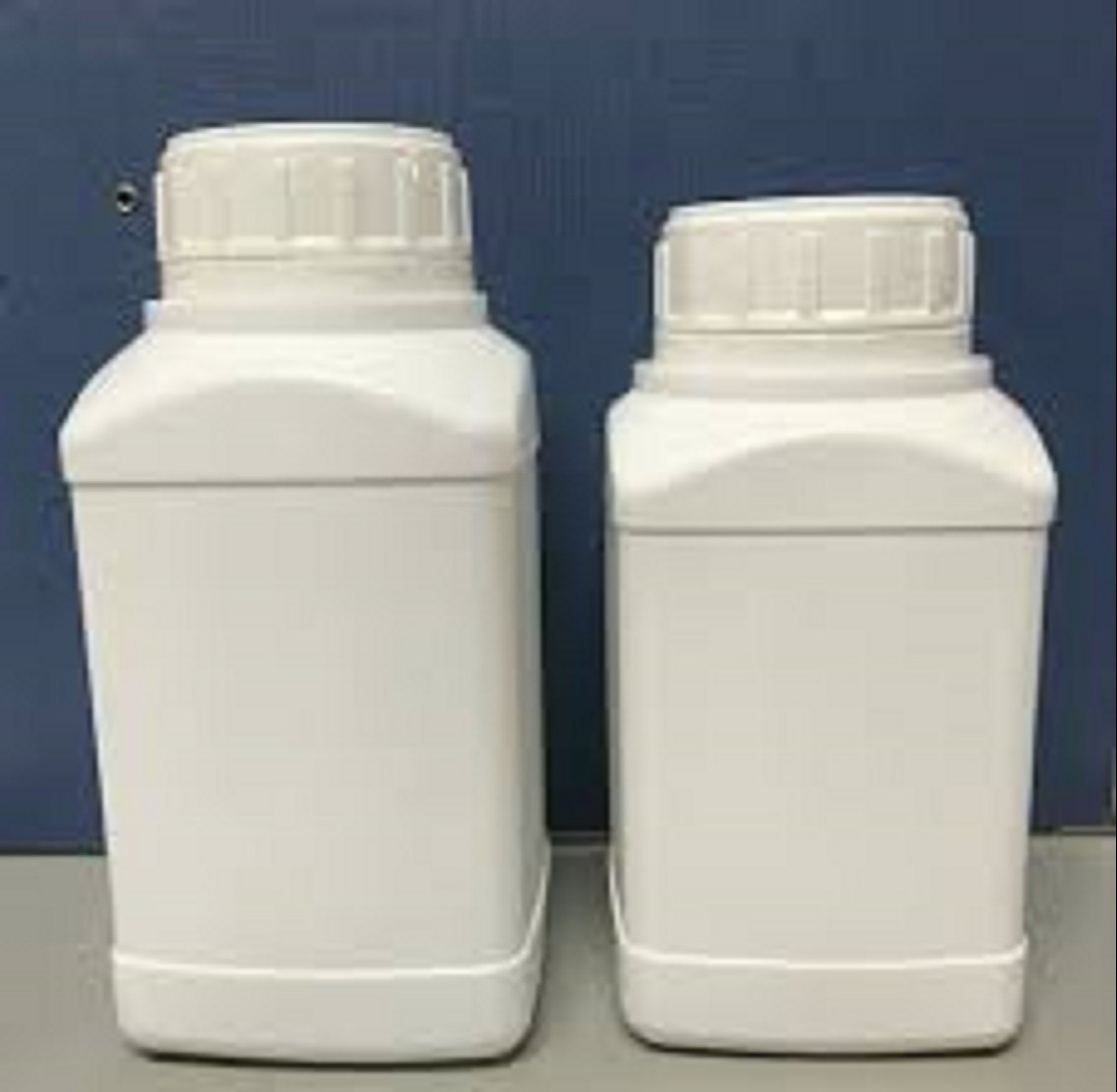

Description
Trimethylindium (TMI)
Trimethylindium (TMI) is an organometallic compound with the formula In(CH3)3. It is also commonly referred to as TMIn. It is primarily used as an indium source in semiconductor fabrication processes, especially in MOVPE/MOCVD growth of indium-containing III–V materials.
Quick facts
- Formula: In(CH3)3
- Common uses: Indium precursor for MOVPE/MOCVD growth of In-containing semiconductors (e.g., InP, InGaAs, related alloys)
- Handling: Highly air- and moisture-sensitive; pyrophoric
- Delivery: Typically delivered as a vapor in inert gas lines or via a heated bubbler system in semiconductor processing
Key properties and behavior
- Physical state: Generally a colorless or pale material that is highly reactive with air
- Volatility: Very volatile, which makes it convenient to deliver as a vapor in deposition systems
- Reactivity: Reacts violently with air and moisture; hydrolyzes to indium oxides/hydroxides and methane-like byproducts
- Stability: Stable only under strictly inert conditions (e.g., nitrogen or argon atmosphere)
Note: For precise physical constants (boiling point, vapor pressure, density, etc.), consult the material’s safety data sheet (MSDS) or supplier specifications.
Synthesis and availability
-
How it is made: TMIn is produced and sold by specialty chemical manufacturers under strictly controlled conditions. A common conceptual route involves methylating indium sources under inert conditions (lab-scale routes may use reactions such as InCl3 with methylating reagents, but commercial processes are tightly controlled for safety and purity).
-
In the lab: If used in research, TMIn is typically obtained from suppliers and handled under an inert atmosphere, often in a glovebox or using Schlenk techniques.
-
In deposition tools: In MOVPE/MOCVD systems, TMI is introduced as a vapor from a heated source and carried by dry nitrogen or hydrogen into the reaction chamber.
Applications in semiconductor processing
- Primary use: Indium source for epitaxial growth of In-containing materials
- Common materials grown with TMI: InP, InGaAs, InGaAsP, and related alloys
- Process context: Used in metal organic chemical vapor deposition (MOCVD/MOVPE) to form high-quality indium-containing semiconductor layers
Safety, handling, and storage
-
Hazards:
- Highly flammable and pyrophoric
- Reacts with air and moisture; exposure can cause fire hazards
- Can cause skin and eye irritation; inhalation of vapors may be hazardous
-
Handling guidelines:
- Always work under an inert atmosphere (glovebox or Schlenk line) and in a well-ventilated fume hood
- Use compatible glass or metal fittings and leak-tight delivery systems
- Wear appropriate PPE: gloves, goggles, lab coat
-
Storage:
- Store under inert gas, in airtight containers
- Keep away from moisture, air, heat, and oxidizers
- Follow supplier and institutional safety guidelines for hazardous organometallics
-
Spill and disposal:
- Do not attempt cleanup in air; evacuate the area and ventilate
- Use inert absorbents and contain under inert atmosphere for disposal
- Dispose as hazardous waste according to local regulations
Reviews
There are no reviews yet.