
Description
1. Product Overview
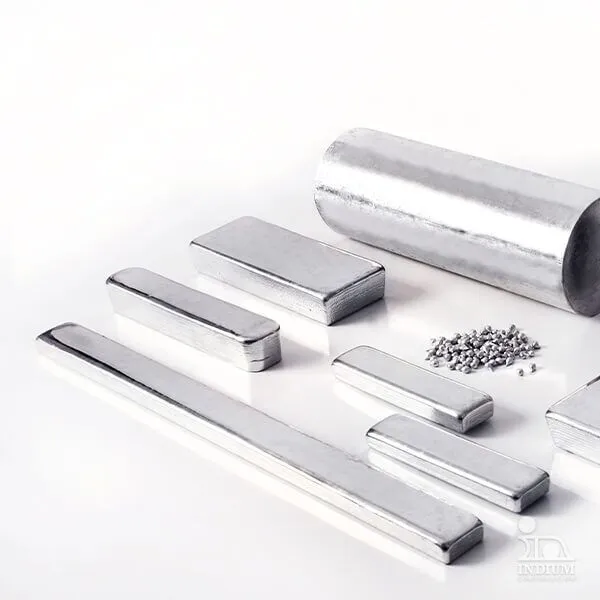
Tin Dross Chips are tin-bearing secondary materials generated during tin smelting, solder production, and hot-dip tinning processes. Containing recoverable metallic tin along with controlled oxide fractions, these chips serve as a valuable feedstock for tin recovery, secondary refining, and alloy adjustment operations.
With optimized metallic content and consistent physical characteristics, Tin Dross Chips provide a cost-effective alternative to primary tin ingots for industrial re-melting applications. As global demand for solder, electronics, and specialty alloys continues to grow, this material plays a strategically important role in reducing raw material costs and strengthening circular metal supply chains.
2. Key Specifications & Technical Characteristics
- Primary Composition:
- Tin (Sn) – metallic and oxide forms
- Tin Oxide (SnO / SnO₂)
- Trace elements: Pb, Cu, Sb, Ag (grade dependent)
- Tin (Sn) Content: Typically 60%–90% (depending on source and grade)
- Metallic Tin Fraction: Variable; recoverable value
- Impurity Levels: Controlled to meet secondary refining requirements
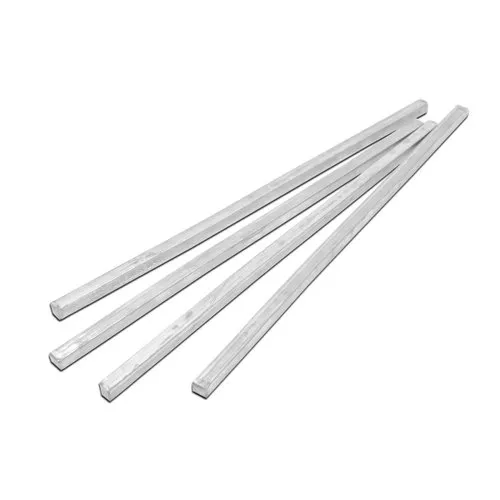
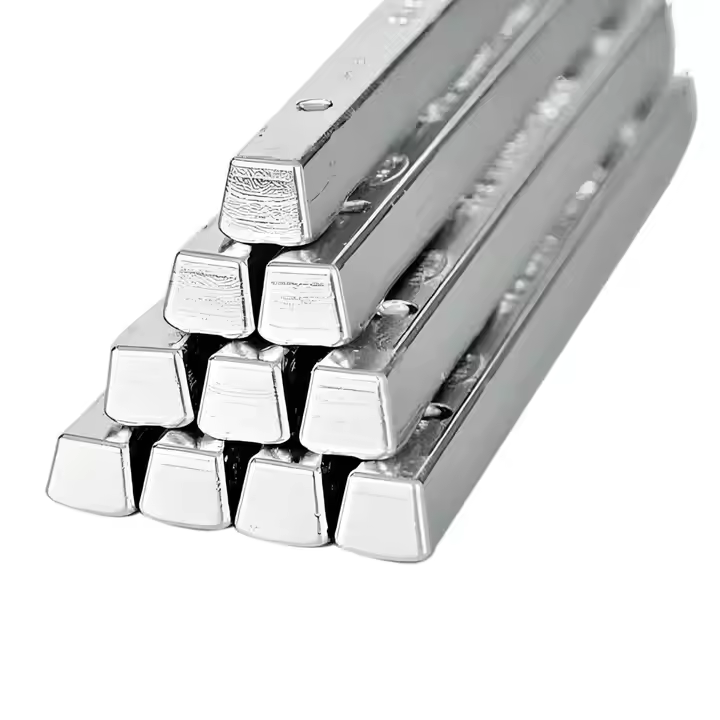
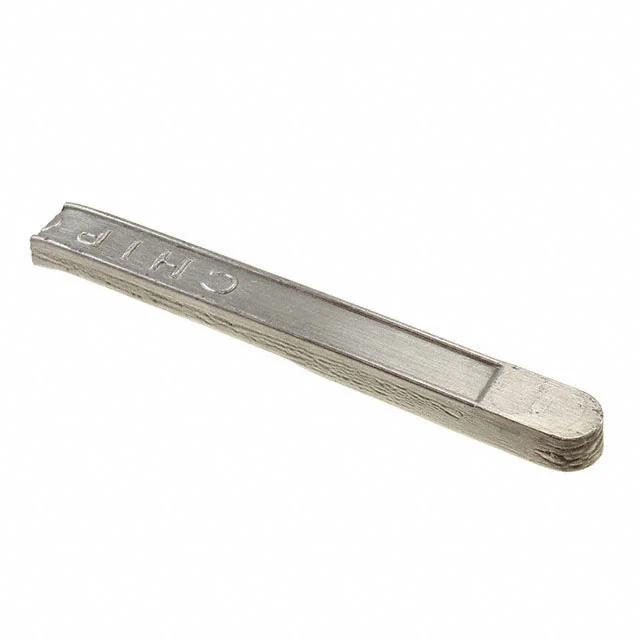
- Form: Chips / granular metallic fragments
- Color: Silver-grey metallic
- Particle Size: Typically 5–30 mm (custom sizing available)
- Bulk Density: Approx. 4.5–6.5 MT/m³ (depending on metallic fraction)
- Moisture Content: Low; controlled for safe handling
- Packaging Options:
- Bulk loading
- 1 MT jumbo bags
- Sealed industrial bulk bags (on request)
- Shelf Life: Indefinite under dry storage conditions
3. Core Industrial Applications
Primary Industries
- Tin smelters and refiners
- Solder manufacturers
- Electronics component producers
- Secondary metal recyclers
Operational Use Cases
- Feedstock for tin recovery furnaces
- Charge material blending in tin refining
- Raw input for solder alloy production
- Alloy correction and metallic tin supplementation
Performance & Cost Advantages
Tin Dross Chips provide a lower-cost source of recoverable tin units compared to primary refined tin ingots. Their solid metallic fraction enables efficient melting and high recovery rates during refining processes.
By reintegrating tin-bearing by-products into production cycles, manufacturers can reduce procurement expenses, improve metal yield, and mitigate exposure to volatile global tin prices. This approach enhances operational efficiency while supporting sustainable material utilization.
4. Competitive Advantages
- Quality Consistency: Controlled tin content and screened particle sizing ensure predictable recovery performance.
- Supply Reliability: Stable sourcing from established tin processing and solder production operations.
- Logistics Capability: Bulk export handling with containerized shipping solutions and international freight coordination.
- Price Competitiveness: Lower cost per recoverable tin unit compared to primary mining inputs.
- Sustainability Benefits: Supports circular economy practices by maximizing recovery of tin-bearing industrial by-products.
- Technical Documentation: Chemical composition reports and certificates of analysis (COA) available upon request.
Tin Dross Chips are positioned as a strategic sourcing solution for smelters and alloy producers seeking cost control, supply stability, and sustainable material integration.
5. Commercial & Supply Information
- Minimum Order Quantity (MOQ): Bulk 20 MT
- Loading Capacity:
- 20ft Container: Approx. 20–25 MT
- 40ft Container: Approx. 25–28 MT (subject to regional transport regulations)
Volume-based pricing structures and long-term supply agreements are available for industrial buyers.


Reviews
There are no reviews yet.