
Description
Threaded and Coupled Pipes: The Backbone of Fluid and Gas Transport
From the water flowing into our homes to the natural gas heating our stoves, the efficient transport of fluids and gases is crucial to modern life. While there are numerous methods for joining pipes, threaded and coupled pipe connections remain a foundational technology, offering a robust and versatile solution for a wide range of applications. This article explores the principles, advantages, and considerations surrounding threaded and coupled pipes.
Understanding the Mechanics:
The beauty of threaded and coupled pipes lies in their simplicity.
- Threaded Pipes: These pipes feature spiral grooves, or threads, cut into their ends. These threads are typically standardized according to national or international standards like NPT (National Pipe Thread) or BSPT (British Standard Pipe Thread).
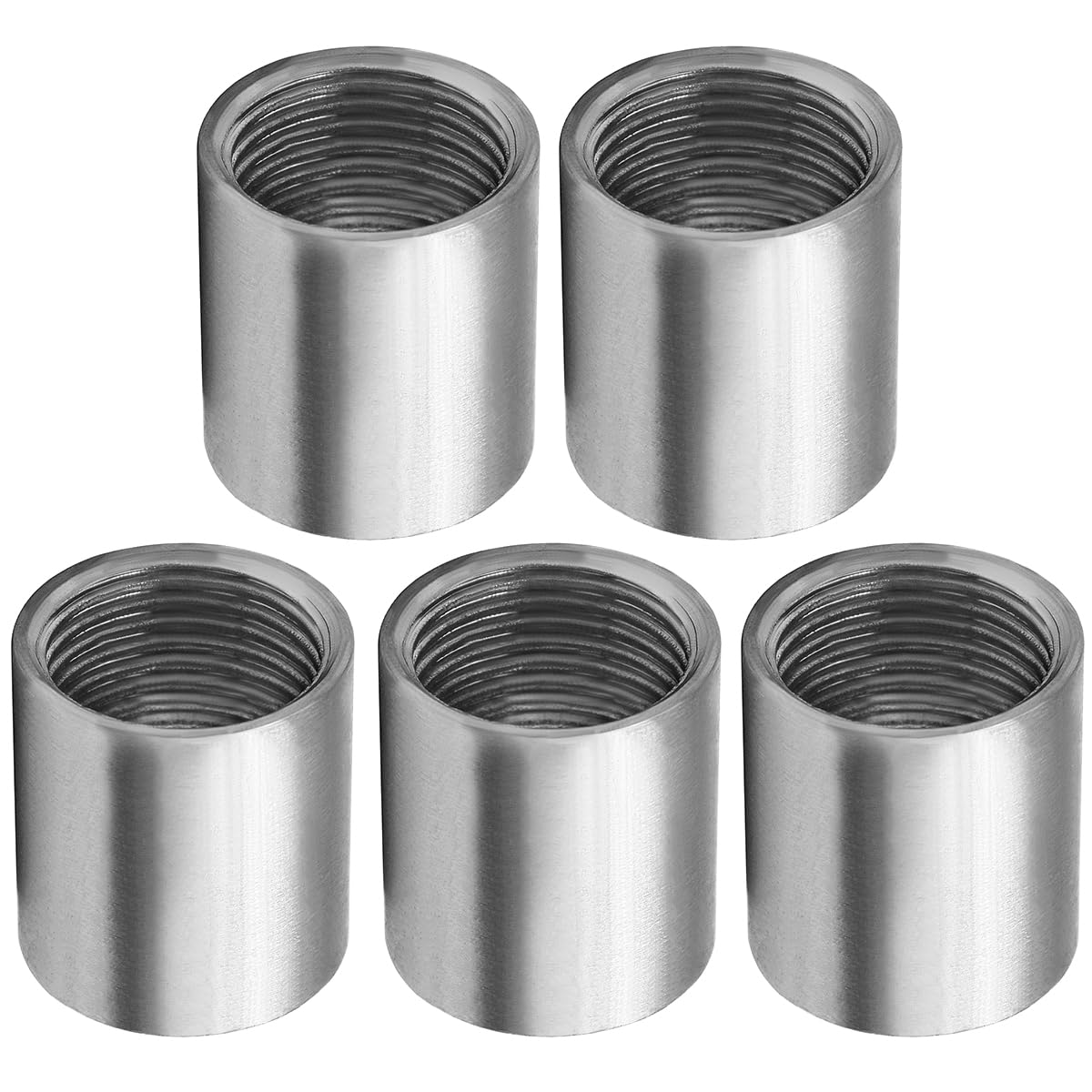
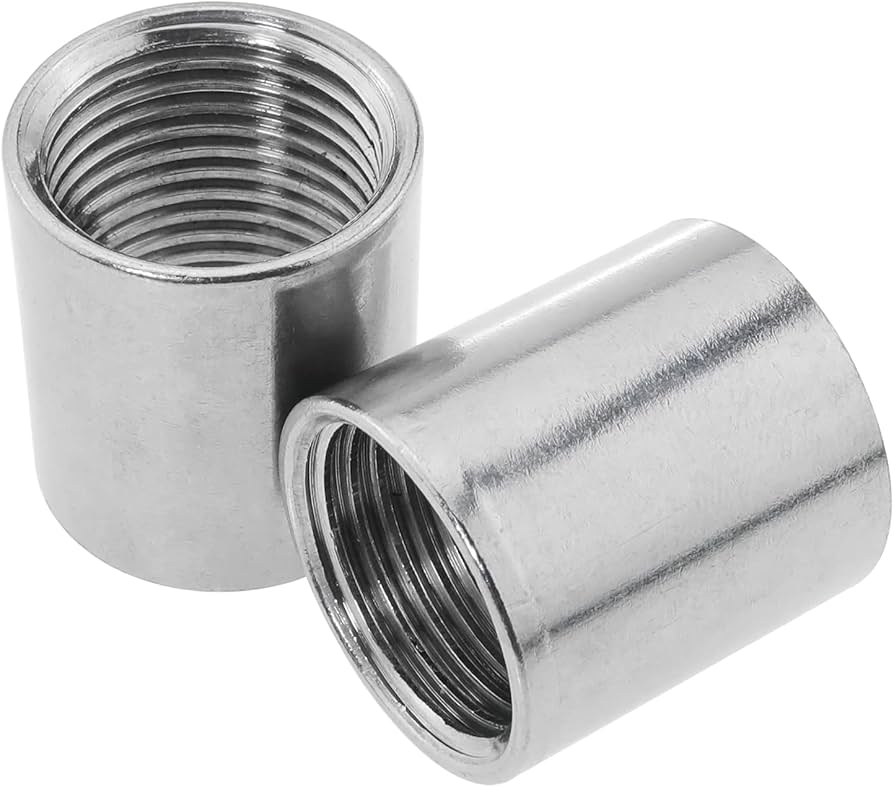
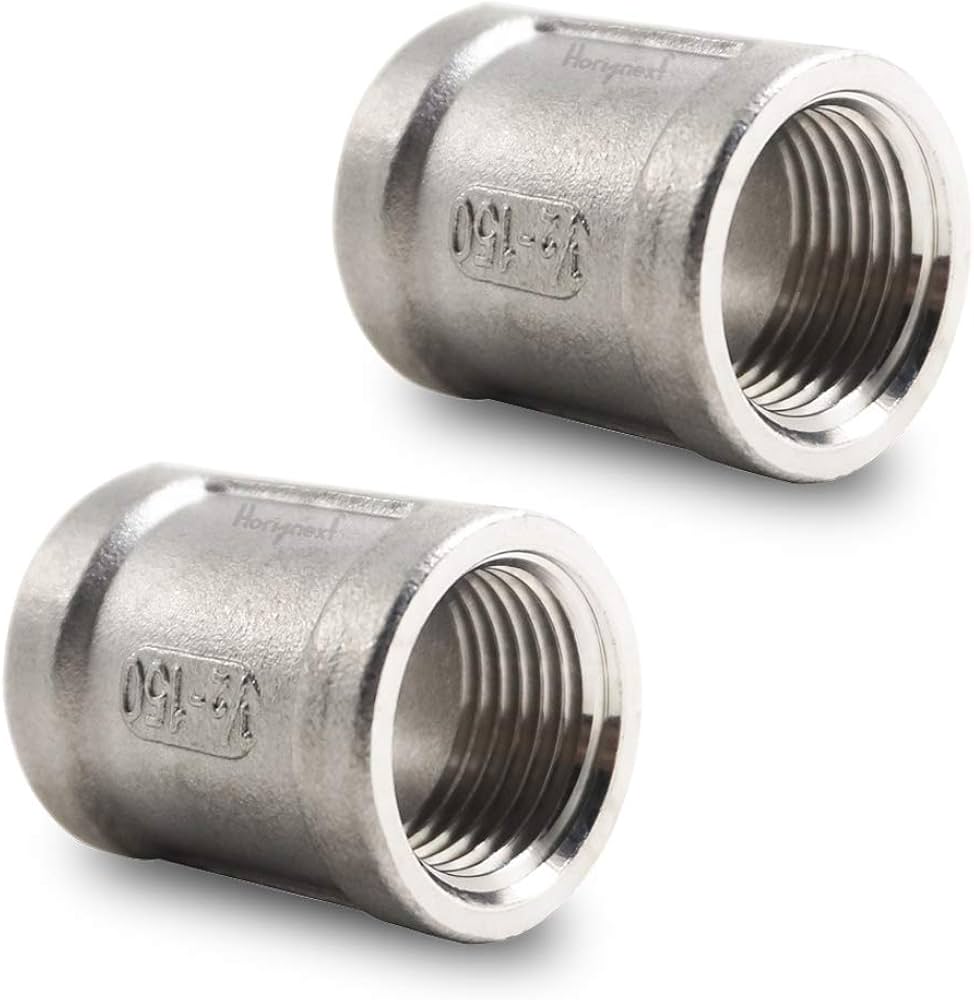
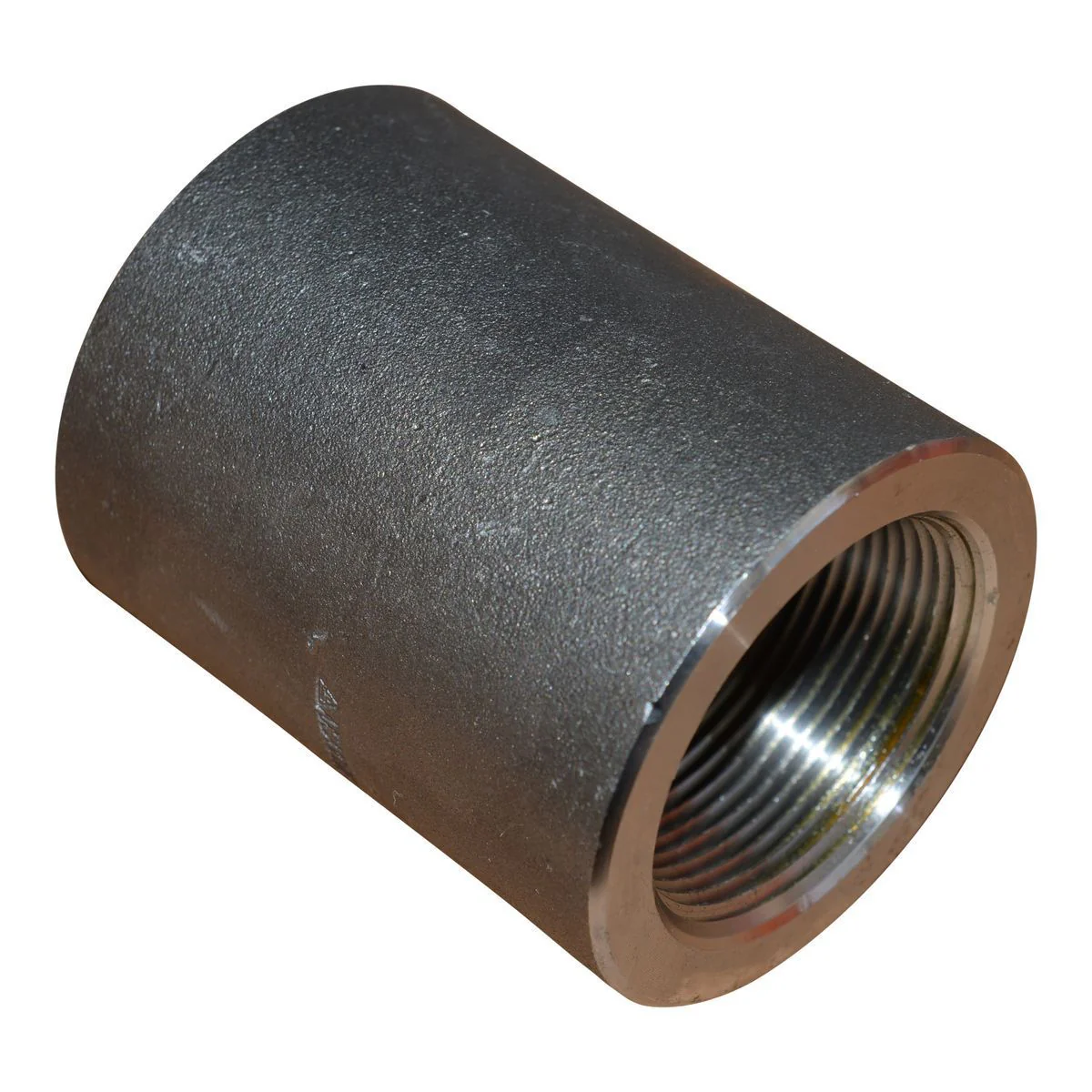
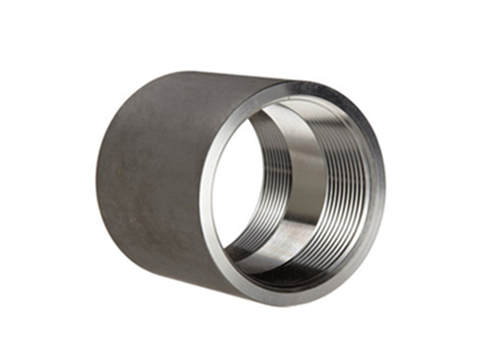
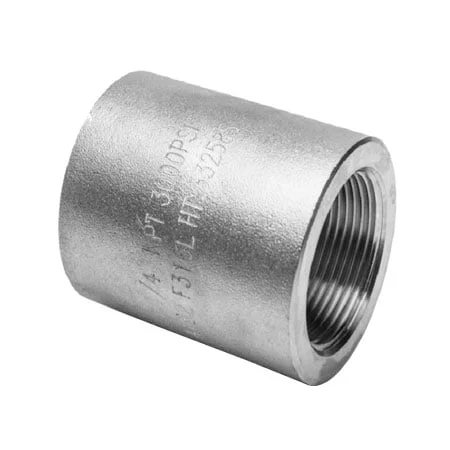
- Couplings: A coupling is a short, hollow fitting with internal threads that match the threads on the pipes being joined.
The connection is achieved by screwing the threaded ends of two pipes into the coupling. As the pipes are tightened, the threads engage, creating a mechanical seal. The tightness of the connection relies on the friction and interlocking of the threads, often enhanced by the application of pipe sealant or thread tape (Teflon tape) to further ensure a leak-proof joint.
Advantages of Threaded and Coupled Pipes:
This method of joining pipes offers numerous benefits, making it a popular choice in many industries:
- Ease of Installation: Compared to welding or soldering, threaded connections are generally easier and faster to install, requiring less specialized training and equipment. This makes them ideal for DIY projects and applications where quick installation is necessary.
- Dismantleability: Threaded joints can be disassembled and reassembled, making them ideal for temporary installations, repairs, and modifications to existing piping systems. This flexibility is a significant advantage when compared to permanent joining methods.
- Wide Availability: Threaded pipes and couplings are readily available in a wide range of materials, sizes, and thread standards, making them a versatile solution for various applications and fluid types. Common materials include steel, stainless steel, brass, copper, and PVC.
- Cost-Effectiveness: In many cases, threaded and coupled pipe systems can be more cost-effective than alternative joining methods, particularly for smaller diameter pipes and applications requiring frequent modifications.
- Strength and Durability: When properly installed and maintained, threaded connections can provide a strong and durable seal capable of withstanding significant pressure and temperature fluctuations.
- No Heat Required: Unlike welding or soldering, threaded connections require no heat, reducing the risk of fire hazards and making them suitable for environments where heat sources are restricted.
Considerations and Limitations:
While threaded and coupled pipes offer numerous advantages, it’s important to acknowledge their limitations:
- Potential for Leaks: Improper installation, damaged threads, or insufficient thread sealant can lead to leaks. Regular inspection and maintenance are crucial to prevent leaks and ensure the integrity of the piping system.
- Corrosion: Threaded connections can be susceptible to corrosion, particularly in harsh environments. Selecting the appropriate material for the pipe, coupling, and sealant is essential to minimize corrosion and extend the lifespan of the connection.
- Size Limitations: While threaded pipes are available in a wide range of sizes, they are generally less suitable for very large diameter pipes due to the difficulty in achieving a tight seal and the potential for thread damage.
- Stress Concentrations: The sharp angles of the threads can create stress concentrations, making the connection more vulnerable to fatigue failure under cyclical loading or vibrations.
- Proper Installation: Accurate alignment and tightening are critical for a leak-proof and durable connection. Over-tightening can damage the threads, while under-tightening can lead to leaks.
Applications:
Threaded and coupled pipes find applications in a diverse range of industries:
- Plumbing: Water supply, drainage, and irrigation systems in residential, commercial, and industrial buildings.
- HVAC: Heating, ventilation, and air conditioning systems for transporting refrigerants, water, and other fluids.
- Oil and Gas: Pipeline systems for transporting oil, gas, and other fluids, particularly in low-pressure applications.
- Manufacturing: Process piping systems for transporting raw materials, chemicals, and finished products.
- Fire Protection: Sprinkler systems and other fire suppression systems.
- Agriculture: Irrigation systems and fluid handling in agricultural operations.
Conclusion:
Threaded and coupled pipes remain a vital technology in modern fluid and gas transport, offering a balance of simplicity, versatility, and cost-effectiveness. While requiring careful installation and maintenance, they provide a reliable and adaptable solution for a wide range of applications, solidifying their place as a cornerstone of modern infrastructure. By understanding the principles, advantages, and limitations of threaded connections, engineers, contractors, and DIY enthusiasts can effectively leverage this technology to create efficient and durable piping systems.


Reviews
There are no reviews yet.