

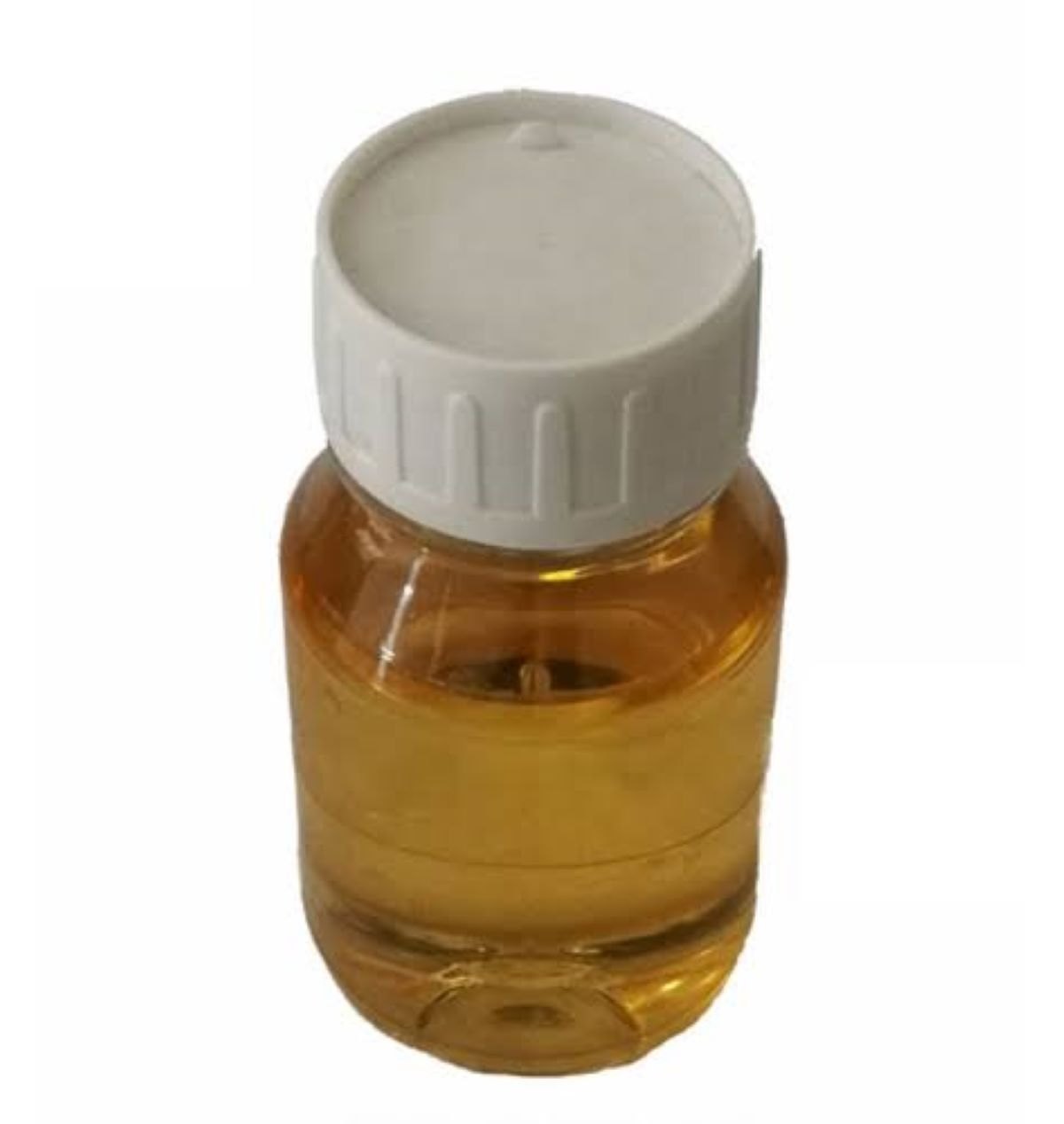

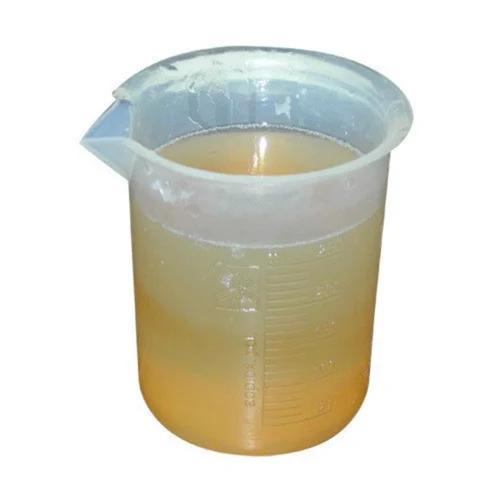

Description
The Unsung Heroes of Fabric Flair: Textile Printing Auxiliaries
Textile printing, the art of imbuing fabrics with vibrant colors, intricate designs, and personalized messages, is a cornerstone of the fashion and home decor industries. While dyes and pigments garner much of the attention, the success of any printing process relies heavily on a group of often overlooked but crucial components: textile printing auxiliaries.
These chemical compounds, also known as additives, are the silent workhorses that optimize the entire printing process, ensuring vivid colors, sharp details, improved durability, and ultimately, a high-quality final product. They act as facilitators, enabling the dye or pigment to interact effectively with the fabric and resist fading or washing away.
Why are Textile Printing Auxiliaries so Important?
Imagine trying to paint a masterpiece with subpar brushes or a canvas that repels the paint. The results would likely be disastrous. Similarly, without the right auxiliaries, the desired outcome in textile printing becomes a challenge, leading to:
- Poor Color Yield: Inadequate penetration and fixation of the dye or pigment result in dull, washed-out colors.
- Blurry Prints: Lack of control over dye or pigment spread can lead to indistinct designs with fuzzy edges.
- Reduced Wash Fastness: The print fades or bleeds easily during washing, rendering the garment or fabric unusable.
- Uneven Printing: Inconsistent application of the dye or pigment results in blotchy and uneven prints.
- Fabric Damage: Some printing processes can be harsh on the fabric, leading to fiber damage and reduced lifespan.
A Diverse Cast: Types of Textile Printing Auxiliaries
The world of textile printing auxiliaries is diverse, with different chemicals playing specific roles in the process. Here are some key categories:
- Thickeners: These are viscosity enhancers that control the flow and spread of the printing paste. They ensure precise application and prevent the dye/pigment from bleeding into unwanted areas. Common thickeners include natural gums (guar, sodium alginate) and synthetic polymers (acrylics).
- Wetting Agents: These improve the dye or pigment’s ability to wet the fabric, ensuring even penetration and absorption. They lower the surface tension of the printing paste, allowing it to spread readily across the yarn’s surface.
- Penetrating Agents: These further assist in the penetration of the dye or pigment into the fabric, especially important for densely woven materials.
- Fixing Agents: These chemicals react with the dye or pigment to bind them permanently to the fabric fibers, improving wash fastness and rub fastness.
- Reducing Agents: Used in certain dye systems, such as vat dyeing, to solubilize the dye and allow it to penetrate the fabric.
- Oxidizing Agents: Used to fix dyes after reduction, converting them back into their insoluble form, thus trapping them within the fabric.
- Buffers: These chemicals maintain the pH of the printing paste, ensuring optimal conditions for dye or pigment application and fixation.
- Defoamers: These prevent the formation of foam during the printing process, which can interfere with even application and lead to defects in the print.
- Softening Agents: These are applied after printing to improve the handle and feel of the fabric, making it more comfortable to wear or use.
The Future of Textile Printing Auxiliaries: Sustainability and Innovation
As environmental concerns grow and consumers demand more sustainable products, the textile industry is under pressure to adopt greener practices. This includes the development and use of eco-friendly textile printing auxiliaries. Research is focused on:
- Bio-based Auxiliaries: Utilizing natural and renewable resources as alternatives to synthetic chemicals.
- Low-Impact Formulations: Developing auxiliaries that require less water and energy during the printing process.
- Reduced Waste: Optimizing formulations to minimize waste and pollution.
Furthermore, innovations in nanotechnology and advanced chemical engineering are leading to the development of auxiliaries with enhanced performance and functionality. This includes:
- Self-Cleaning Fabrics: Incorporating auxiliaries that impart self-cleaning properties to the fabric.
- UV Protection: Enhancing the fabric’s ability to block harmful UV rays.
- Smart Textiles: Integrating conductive auxiliaries to create textiles with electronic functionalities.
Conclusion:
Textile printing auxiliaries are the unsung heroes behind the vibrant and durable prints we see every day. They are essential for achieving optimal results in textile printing, and their role is becoming even more critical as the industry strives for greater sustainability and innovation. By understanding the importance and functionality of these additives, we can appreciate the complexity and artistry involved in creating beautiful and functional textiles. So, the next time you admire a beautifully printed fabric, remember the invisible but indispensable contribution of textile printing auxiliaries.


Reviews
There are no reviews yet.