

Description
1. Product Overview
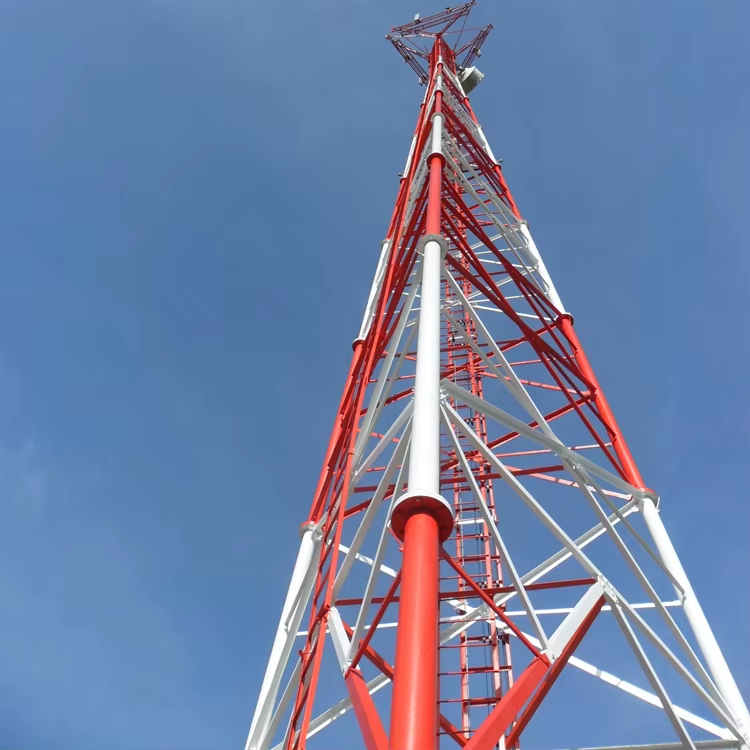
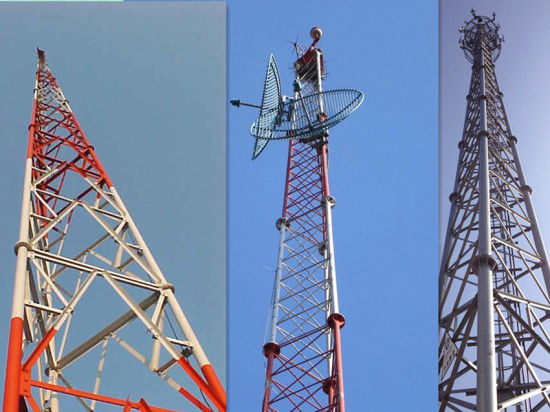
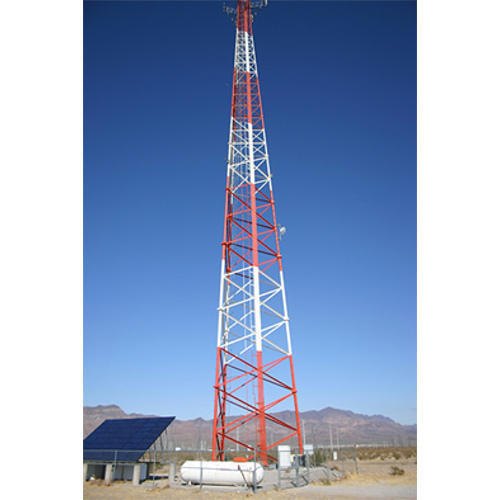
Telecom towers and masts are engineered structural systems designed to support telecommunications equipment such as antennas, microwave dishes, and wireless transmission devices. They serve as critical infrastructure enabling reliable mobile network coverage, broadcasting services, and wireless data transmission. Manufactured using high-strength structural steel and precision engineering, these towers provide exceptional stability, durability, and load-bearing capacity in diverse environmental conditions. As global demand for high-speed connectivity and 5G infrastructure continues to expand, telecom towers and masts represent a strategically vital asset for telecom operators, infrastructure companies, and network deployment contractors.
2. Key Specifications & Technical Characteristics
- Material Composition: High-strength structural steel (typically Q235/Q345 grade or equivalent) with hot-dip galvanization for corrosion resistance
- Structural Types: Lattice towers, monopoles, guyed masts, rooftop towers
- Height Range: Typically 20 m – 120 m (customizable based on network requirements)
- Corrosion Protection: Hot-dip galvanized coating (≥ 80–100 μm zinc thickness)
- Load Capacity: Designed to support multiple antenna arrays, microwave equipment, and telecom accessories
- Wind Resistance: Engineered to withstand wind speeds up to 160–200 km/h depending on design standards
- Physical Characteristics: Modular steel sections with bolted or welded joints for efficient transport and assembly
- Color/Finish: Silver-gray galvanized finish; optional aviation paint markings available
- Packaging Options: Disassembled modular components bundled on steel pallets or wooden crates for container shipment
- Shelf Life: Long-term structural durability exceeding 25–30 years with proper installation and maintenance
3. Core Industrial Applications
Telecom towers and masts are fundamental infrastructure components within the telecommunications and broadcasting sectors.
Primary industries include:
- Mobile network operators (2G, 3G, 4G, and 5G infrastructure)
- Wireless broadband providers
- Broadcast and radio transmission companies
- Government and defense communication networks
- Rural connectivity and infrastructure development projects
Operational use cases:
- Supporting cellular base station antennas
- Mounting microwave transmission links
- Hosting multi-operator telecom equipment
- Enabling rural and remote network coverage
- Supporting emergency communication systems
Compared with temporary or low-capacity structures, engineered telecom towers deliver superior load capacity, long-term structural integrity, and multi-tenant equipment support, allowing operators to maximize infrastructure utilization while minimizing operational downtime and maintenance costs.
4. Competitive Advantages
- Quality Consistency: Manufactured under strict engineering standards with certified structural steel and galvanization processes
- Supply Reliability: Scalable production capacity supporting large infrastructure deployments and network expansion programs
- Logistics Capability: Modular design optimized for international container transport and rapid on-site assembly
- Price Competitiveness: Cost-efficient manufacturing combined with long service life lowers total cost of ownership
- Sustainability Benefits: Durable steel structures with high recyclability and extended operational lifespan
- Technical Support: Comprehensive engineering documentation including structural drawings, load calculations, and installation guidance
These advantages position telecom towers and masts as a strategic infrastructure investment for telecom operators and network infrastructure developers worldwide.
5. Commercial & Supply Information
- Minimum Order Quantity (MOQ): BULK 20 MT
- Loading Capacity: Approximately 20–25 MT per 40-ft container depending on tower configuration and packaging method



Reviews
There are no reviews yet.