


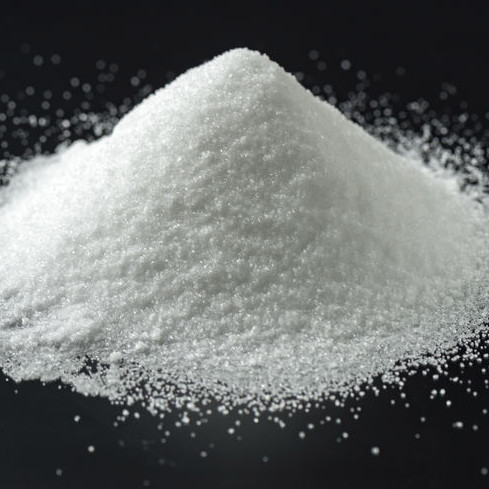
Description
Sucrose: The Sweet Science Behind Table Sugar
Sucrose, more commonly known as table sugar, is a ubiquitous disaccharide found in everything from our morning coffee to baked goods and processed foods. But beyond its familiar sweetness, sucrose possesses a fascinating chemical structure and a complex role in both plant biology and human nutrition. This article delves into the science behind sucrose, exploring its composition, sources, properties, and its impact on our health.
The Building Blocks of Sweetness:
Sucrose is formed by the chemical bonding of two simpler monosaccharides: glucose and fructose. Glucose, often called blood sugar, is a primary energy source for our cells. Fructose, known for its intensely sweet taste, is found abundantly in fruits. The glycosidic bond joining these two monosaccharides gives sucrose its unique properties.
The chemical formula for sucrose is C₁₂H₂₂O₁₁. Upon digestion, the enzyme sucrase breaks this bond, releasing glucose and fructose for absorption into the bloodstream. This breakdown is crucial for our bodies to utilize the energy stored within the sucrose molecule.
From Plant to Plate: Sources of Sucrose:
Plants are the primary producers of sucrose through the process of photosynthesis. They use sunlight to convert carbon dioxide and water into glucose and fructose, and then combine these sugars to form sucrose for energy storage and transport. While many plants contain sucrose, sugar cane and sugar beets are the most commercially significant sources.
- Sugar Cane: This tall, grass-like plant is cultivated in tropical and subtropical regions. The cane stalks are crushed to extract the juice, which is then purified, concentrated, and crystallized to yield raw sugar.
- Sugar Beets: This root vegetable thrives in cooler climates. Similar to sugar cane, the beets are sliced, and the sugar is extracted through a diffusion process, followed by purification and crystallization.
Regardless of the source, the refining process removes impurities and results in pure sucrose crystals, recognizable as table sugar. Different types of sugar, such as granulated, powdered, and brown sugar, are simply different forms of sucrose with varying crystal sizes, moisture content, and the presence of molasses (in the case of brown sugar).
Beyond Sweetness: Properties and Uses:
Sucrose possesses several properties that make it invaluable in food production beyond simply adding sweetness:
- Solubility: Sucrose is highly soluble in water, making it easy to dissolve in beverages and batters.
- Texture and Structure: It contributes to the texture and structure of baked goods, providing bulk, moisture, and promoting browning reactions (Maillard reaction).
- Preservation: Sucrose acts as a preservative by reducing water activity, inhibiting the growth of microorganisms in jams, jellies, and candies.
- Fermentation: It is a readily fermentable sugar, providing a food source for yeast in bread making and alcoholic beverage production.
Beyond food, sucrose finds applications in pharmaceuticals, cosmetics, and even as a starting material for the chemical synthesis of various compounds.
The Sweet and Sour Truth: Health Implications of Sucrose Consumption:
While sucrose provides energy and contributes to the palatability of food, excessive consumption can have negative health consequences:
- Weight Gain and Obesity: Sucrose is a calorie-dense food with little nutritional value. Overconsumption can lead to weight gain and increase the risk of obesity.
- Dental Caries: Oral bacteria ferment sucrose, producing acids that erode tooth enamel, leading to dental cavities.
- Type 2 Diabetes: High sucrose intake can contribute to insulin resistance, increasing the risk of developing type 2 diabetes.
- Cardiovascular Disease: Studies suggest a link between high sucrose consumption and increased risk of heart disease.
Moderation is Key:
The key to enjoying sucrose without compromising health lies in moderation. Being mindful of added sugars in processed foods, sugary drinks, and desserts is crucial. Choosing whole, unprocessed foods and opting for naturally sweet options like fruits can help reduce overall sucrose intake.
Conclusion:
Sucrose, the unassuming table sugar that graces our tables, is a complex compound with a fascinating story. From its origins in plant photosynthesis to its diverse applications in food and beyond, sucrose plays a significant role in our lives. However, its potential health implications necessitate a balanced approach to consumption, emphasizing moderation and awareness to ensure a healthy and fulfilling relationship with this ubiquitous sweet treat.


Reviews
There are no reviews yet.