


Description
1. Product Overview
Sucralose is a high-intensity, zero-calorie artificial sweetener widely used in the food and beverage industry for sugar replacement. It delivers superior sweetness without adding calories, making it ideal for health-conscious and regulatory-compliant formulations. Its stability under high temperatures and across varying pH levels ensures consistent performance in industrial-scale production processes. Strategically, Sucralose enables manufacturers to meet growing consumer demand for low-calorie, sugar-free, and diabetic-friendly products while maintaining product taste and quality. Its global acceptance and regulatory approvals position it as a critical ingredient in modern food technology.
2. Key Specifications & Technical Characteristics
- Chemical Composition: C12H19Cl3O8
- Purity/Grade: Food-grade, ≥ 98% purity
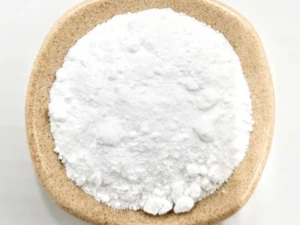
- Physical Form: Fine crystalline powder
- Color: White
- Particle Size: 100–300 μm (typical)
- Bulk Density: ~0.8–1.0 g/cm³
- Solubility: Highly soluble in water
- Packaging Options: 25 kg multi-layer kraft paper bags with inner polyethylene liner; 500 kg FIBCs available on request
- Shelf Life: 36 months under recommended storage conditions (cool, dry, and away from direct sunlight)
3. Core Industrial Applications
- Food & Beverage Industry:
- Sugar-free beverages, soft drinks, and ready-to-drink teas
- Confectionery, chewing gum, and baked goods
- Dairy products, ice cream, and yogurt formulations
- Pharmaceutical Industry:
- Sweetening of syrups, chewable tablets, and nutraceuticals
- Operational Advantages:
- Heat-stable for cooking and baking applications
- Maintains sweetness over wide pH and temperature ranges
- Highly concentrated: small quantities replace large volumes of sugar, reducing formulation costs
4. Competitive Advantages
- Quality Consistency: Guaranteed batch-to-batch purity and performance
- Supply Reliability: Global sourcing network ensures continuous availability
- Logistics Capability: Optimized packaging for safe long-distance transport and storage
- Price Competitiveness: Economical at industrial scale compared to alternative high-intensity sweeteners
- Sustainability: Non-caloric profile supports sugar reduction initiatives and health-oriented products
- Technical Support: Comprehensive documentation and regulatory certifications available
5. Commercial & Supply Information
- Minimum Order Quantity (MOQ): BULK 20 MT
- Loading Capacity: 20 MT per 20-foot container
Sucralose represents a strategic ingredient choice for industrial buyers seeking consistent, high-quality, and commercially advantageous sweetening solutions. Its blend of performance, reliability, and regulatory compliance makes it a critical component for competitive food and beverage production globally.



Reviews
There are no reviews yet.